Algeria
 Egypt
 Libya
 Morocco
 Sudan
 Tunisia
 Benin
 Burkina Faso
 Cabo Verde
 Côte d'Ivoire
 Ghana
 Guinea
 Guinea-Bissau
 Liberia
 Mali
 Mauritania
 Niger
 Nigeria
 Sierra Leone
 The Gambia
 Togo
 Cameroon
 Central African Republic
 Chad
 DR Congo
 Equatorial Guinea
 Gabon
 Republic of the Congo
 São Tomé and Príncipe
 Burundi
 Comoros
 Djibouti
 Eritrea
 Ethiopia
 Kenya
 Madagascar
 Malawi
 Mauritius
 Mozambique
 Rwanda
 Seychelles
 Somalia
 South Sudan
 Tanzania
 Uganda
 Angola
 Botswana
 Eswatini
 Lesotho
 Namibia
 South Africa
 Zambia
 Zimbabwe
When a local face becomes a pan-African showcase
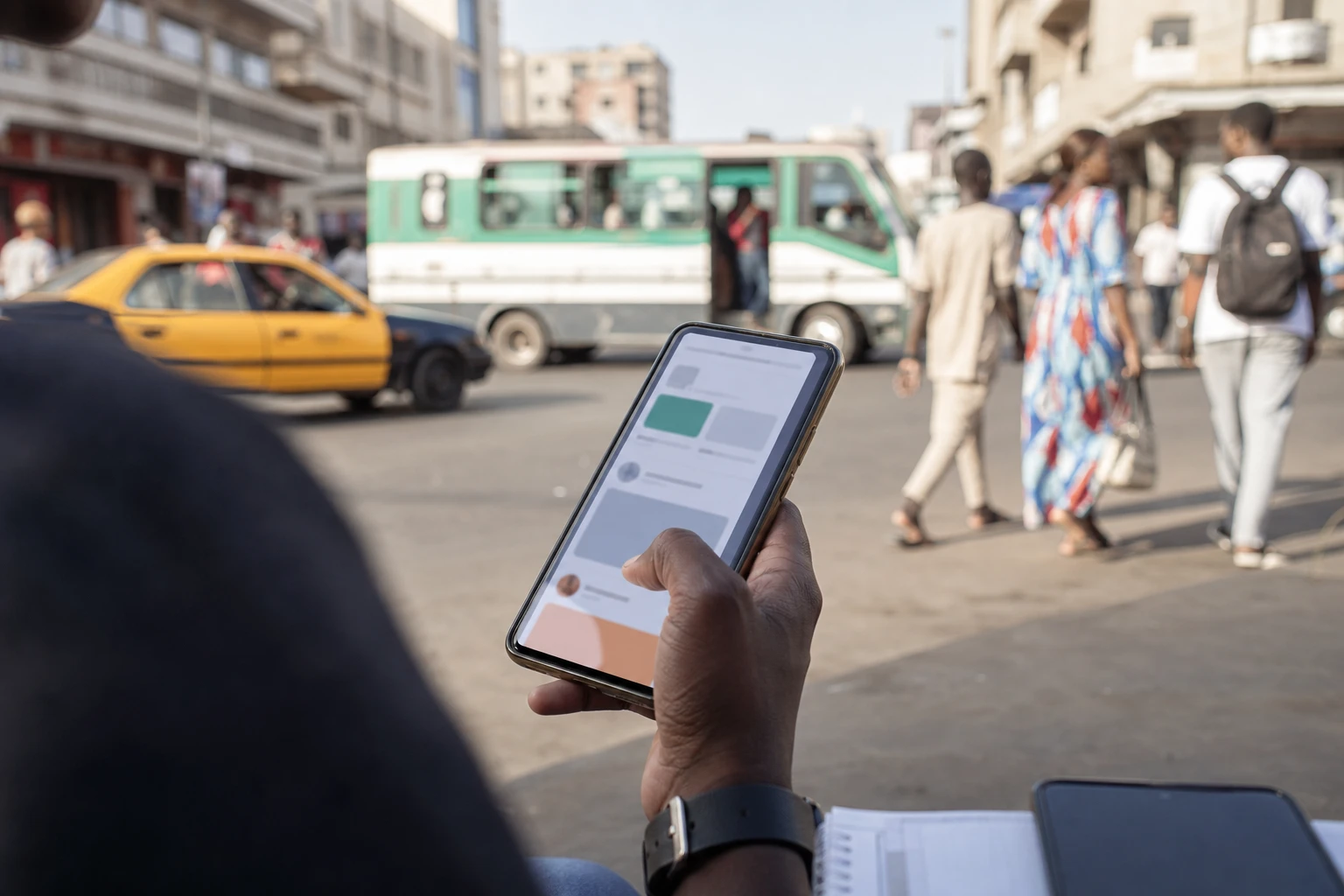
In Senegal, digital fame is no longer limited to singers, footballers or television presenters. It is also built through short videos, recurring characters and stories that travel from one phone to another. In this landscape, Macdi has established himself as an influential figure because he speaks a language understood from Dakar to Abidjan, Nouakchott and Cotonou. His audience illustrates a simple reality: online entertainment has become a space for influence, but also a market.
His rise comes as digital technology is taking a more visible place in public life in Senegal. Content creators are now associated with civic campaigns, the fight against disinformation and the promotion of the digital economy. In late June 2026, the Senegalese Press Agency reported that around 50 creators had been certified under the “Sen Influenceur Citoyen” programme, designed to make the digital space a driver of social cohesion.
Macdi: millions of views and a career born on platforms
Macdi, whose real name is Mame Cheikh Diongue, is described in the Senegalese press as a popular content creator and YouTuber. An interview published by local media in 2024 already described him as one of the country’s most-watched personalities, with 837,000 YouTube subscribers at the time. Since then, his following has continued to grow on other platforms. Online audience measurement tools now put his TikTok following at about 9.4 million, while another specialist source reports more than 1.2 million YouTube subscribers.
The figure of “9 million” is therefore in circulation, but it refers to TikTok, not Twitter. This distinction matters because it shows how quickly audiences move from one network to another. It is on TikTok that Macdi has built his image: humour, short scripted plots, light-hearted flirtation and dramatisations of everyday life. A Senegalese media outlet summed up the formula as short videos combining humour and awareness-raising, capable of generating millions of views and building a loyal, broad audience.
This is not an isolated trend. Recent studies of Senegal’s digital ecosystem show that the country is already highly connected. DataReportal’s Digital 2026 report points to an internet user base and social media activity large enough to sustain mass audiences, while continental analyses describe a rapidly expanding African creator economy. In other words, Macdi is not just an individual phenomenon. He is also a product of his time.
What his success reveals about Senegal’s digital economy
Macdi’s case says much about the transformation of cultural work in Senegal. First, it shows that a creator can build a career without going through the traditional channels of television or music production. It also shows that African audiences are no longer content to consume imported content. They value local references, familiar accents, everyday situations and comic conventions rooted in daily life. This sense of familiarity helps explain the loyalty of his audience.
But digital success also has its limits. African content creators continue to face uneven revenues, dependence on algorithms and monetisation that is often less favourable than in northern markets. At a pan-African influencer summit held in Addis Ababa, creators called for greater economic recognition of the sector and public support for artificial intelligence serving local productions. The question, then, is not only one of visibility. It is also about the value created and how it is shared.
In Senegal, this tension is clear. On the one hand, the authorities and several private initiatives see creators as a useful channel for civic education, place marketing and innovation. On the other, industry professionals are calling for a clearer framework to earn a living from their work, protect their rights and secure their income. Part of the debate even concerns the tax treatment of digital activity, showing that content creation has entered the mainstream economy.
An influence that reaches beyond Dakar
Macdi’s story resonates beyond Senegal. Across the ECOWAS region, West Africa is seeing the emergence of a generation of creators who speak to the same audiences, follow the same trends and use the same platforms. This rapid circulation of formats is creating a more integrated regional cultural market than many institutions yet realise. Content produced in Dakar can now reach other West African capitals almost instantly.
This also explains the growing interest of brands, agencies and institutions. Creators are no longer there simply to entertain. They can deliver a campaign, launch a trend, correct a rumour or raise the profile of a local product. The Senegalese Press Agency’s creator certification programme has shown that the state itself is beginning to treat the sector as a tool of public policy. This is an important signal for the entire continent.
A fundamental question remains: how can this rise be supported without reducing creators to reach figures or communication tools? Macdi’s case is a reminder that French-speaking Africa is now producing its own digital stars, with its own codes, markets and audiences. What happens next will depend on two things. First, whether platforms can sustainably support these audiences. Second, whether African governments and private-sector players can turn this visibility into a real economy, jobs and structured cultural production.