Algeria
 Egypt
 Morocco
 Sudan
 Tunisia
 Benin
 Burkina Faso
 Cabo Verde
 Côte d'Ivoire
 Ghana
 Guinea
 Guinea-Bissau
 Liberia
 Mali
 Mauritania
 Niger
 Nigeria
 Senegal
 Sierra Leone
 The Gambia
 Togo
 Cameroon
 Central African Republic
 Chad
 DR Congo
 Equatorial Guinea
 Gabon
 Republic of the Congo
 São Tomé and Príncipe
 Burundi
 Comoros
 Djibouti
 Eritrea
 Ethiopia
 Kenya
 Madagascar
 Malawi
 Mauritius
 Mozambique
 Rwanda
 Seychelles
 Somalia
 South Sudan
 Tanzania
 Uganda
 Angola
 Botswana
 Eswatini
 Lesotho
 Namibia
 South Africa
 Zambia
 Zimbabwe
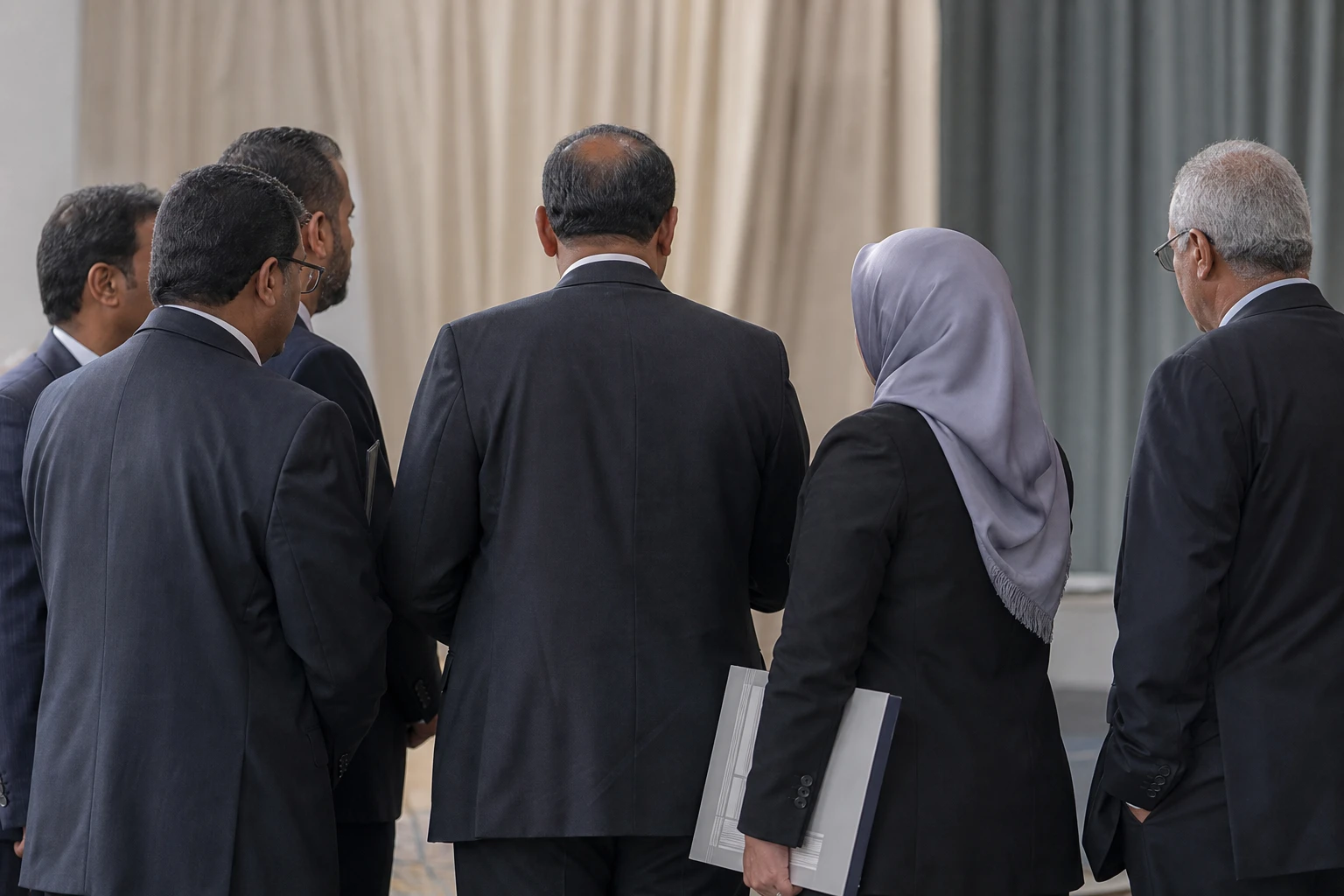
As the lights fail, Libyans take their anger to the streets
In Tripoli, power cuts are more than just another inconvenience. They affect households, businesses, hospitals and public services in a country where energy should be one of the state’s greatest assets. When the lights go out, trust in institutions also erodes.
Libya has been grappling for years with a governance crisis that undermines essential services. The country remains divided among several centres of power, while economic institutions, including the National Oil Corporation, the Central Bank and the state electricity company, have to contend with budget imbalances, smuggling networks and insufficient investment. In this context, electricity has become a stark indicator of political deadlock.
Protests begin in Tripoli, prompting debate over fuel and public management
In late July 2026, several districts of Tripoli saw protests against power cuts, with roads blocked and public buildings targeted by acts of civil disobedience. Anger also spread to other cities in western Libya, amid intense heat and prolonged outages. Media outlets and agencies reported blockades outside buildings linked to the National Oil Corporation, while protesters also voiced grievances over water, healthcare, inflation and cash shortages.
At the same time, Hanna Serwaa Tetteh, head of the United Nations Support Mission in Libya, presented a detailed account of the crisis to the Security Council. She said recent power cuts had exposed flaws in the subsidy system and pointed to networks diverting subsidised refined petroleum products away from the local market. At the 18 June 2026 meeting, she also cited sharp increases in diesel consumption by the electricity sector, reaching 203% across the sector and as much as 1,368% at some power stations, according to reports by the National Audit Bureau and the National Anti-Corruption Commission published on 8 June.
The National Oil Corporation, for its part, confirmed in May that total fuel expenditure had exceeded $1bn in a single month. Its chairman, Masoud Suleman, said at the time that fuel supplies remained uninterrupted, but acknowledged that the main problem lay in distribution and monitoring mechanisms, which leave the door open to diversion. In other words, the bill is being paid, but the expected benefits do not always reach the population.
An energy crisis that goes beyond technical faults
The heart of the problem is not just the electricity grid. It is the architecture of the Libyan state. Electricity depends on gas, diesel and supply chains in which subsidies, parallel markets and institutional rivalries are intertwined. The UN has already warned that fuel shortages in Tripoli and the south expose lasting weaknesses in the management of the subsidy system. The organisation has also stressed the need for greater transparency and better co-ordination of public spending.
The figures cited by the UN also shed light on the winners and losers in this system. Ordinary consumers pay the price first, in the form of power cuts, endless waits and indirect costs for air conditioning, businesses and food-storage appliances. Companies, especially those in the informal sector, suffer lost business. Meanwhile, public administrations continue to buy fuel at great expense without guaranteeing a stable supply. At the same time, diversion networks profit from the gap between the subsidised price and the product’s real value.
This tension also helps explain why the protests are directed at symbols of the oil economy rather than a single ministry. In Libya, oil funds the state, but it also underpins fragile political balances. The public therefore sees a clear paradox: the country exports energy and imports fuel on a large scale, yet cannot ensure regular electricity services. This paradox fuels all the greater anger because it affects daily life, in urban neighbourhoods as well as on the outskirts.
What the crisis says about Libya and North Africa
For Tripoli, the immediate challenge is to restore an acceptable electricity supply before social fatigue turns into an open political crisis. For the rest of the country, the question is broader. As long as institutions remain fragmented, energy-sector reforms will remain piecemeal, and every heatwave or local blockade could reignite protests. The episode is also a reminder that Libya’s stability depends not only on political negotiations, but on the state’s ability to deliver basic, visible services.
Regionally, the Libyan crisis affects North Africa as a whole. It has an impact on fuel flows, prices, trade routes and security balances along the borders with Tunisia, Algeria, Niger, Chad and Egypt. It is also of interest to the African Union, as Libya remains a hub for transit, mediation and influence, where institutional fragility opens the way to trafficking and outside interference. The next milestones to watch are the implementation of recommendations from the UN-backed political dialogue, as well as the budget co-ordination and subsidy-monitoring efforts announced in 2026.