Algeria
 Egypt
 Morocco
 Sudan
 Tunisia
 Benin
 Burkina Faso
 Cabo Verde
 Côte d'Ivoire
 Ghana
 Guinea
 Guinea-Bissau
 Liberia
 Mali
 Mauritania
 Niger
 Nigeria
 Senegal
 Sierra Leone
 The Gambia
 Togo
 Cameroon
 Central African Republic
 Chad
 DR Congo
 Equatorial Guinea
 Gabon
 Republic of the Congo
 São Tomé and Príncipe
 Burundi
 Comoros
 Djibouti
 Eritrea
 Ethiopia
 Kenya
 Madagascar
 Malawi
 Mauritius
 Mozambique
 Rwanda
 Seychelles
 Somalia
 South Sudan
 Tanzania
 Uganda
 Angola
 Botswana
 Eswatini
 Lesotho
 Namibia
 South Africa
 Zambia
 Zimbabwe
A resource-rich sector still held back
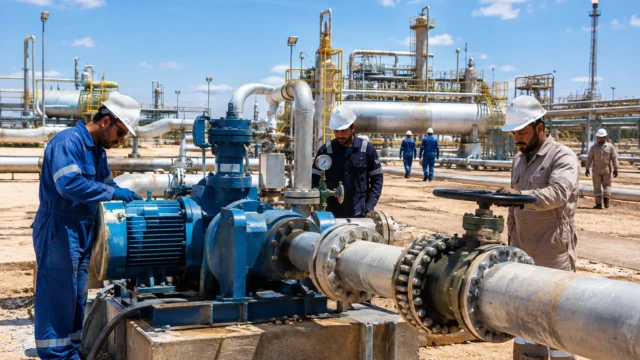
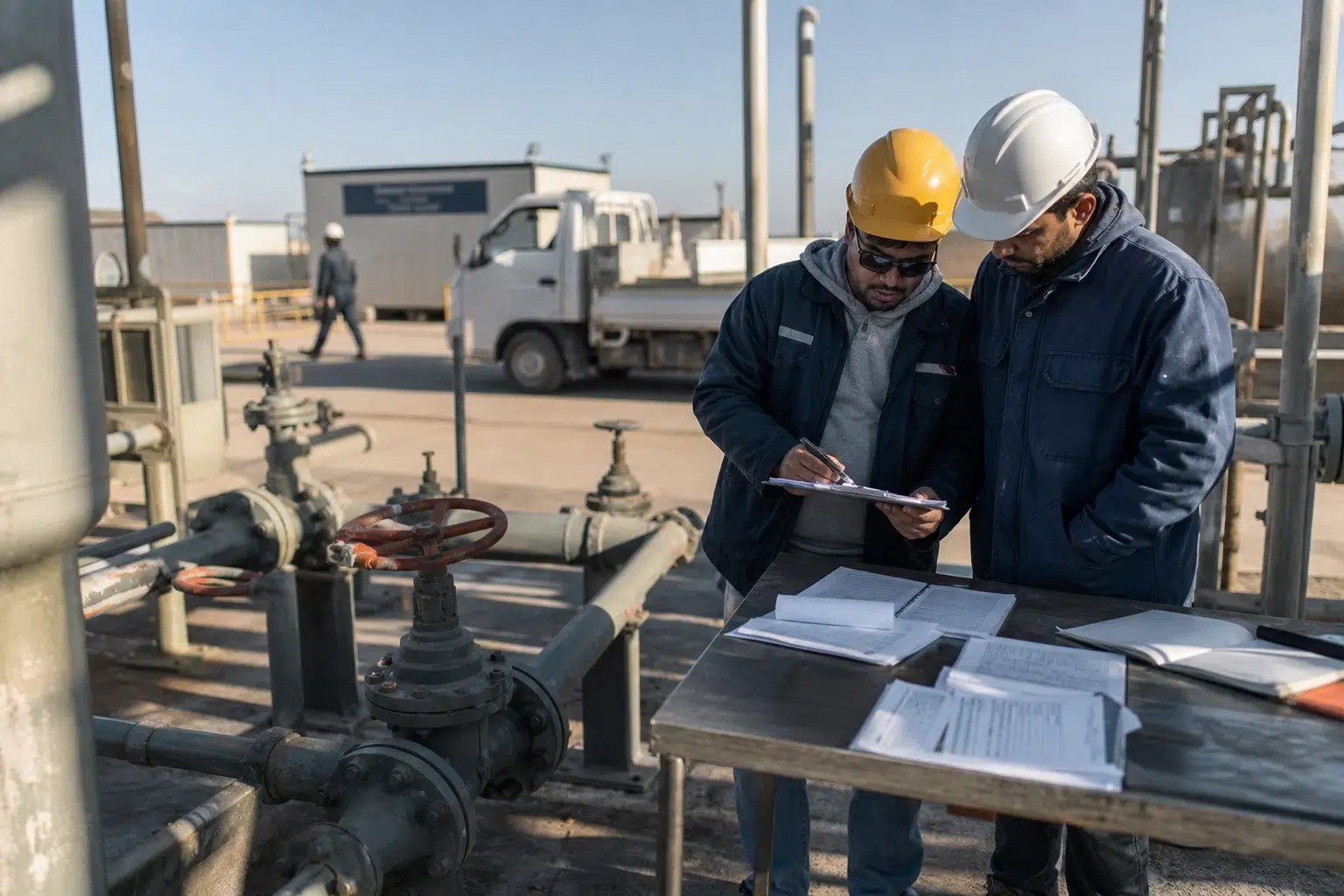
In Tripoli, the debate over oil is not only about extraction volumes. It is primarily about how to bring order to a sector that remains the country’s main financial lifeline, yet is vulnerable to political deadlock, security tensions and limited investment capacity. For Libya, North Africa’s second-largest oil economy after Algeria, the question is no longer whether its subsoil is rich. It is who can turn that wealth into sustainable projects.
The country does have the continent’s largest proven oil reserves, estimated at 48 billion barrels, or about 41% of Africa’s proven reserves, according to the US Energy Information Administration. But this abundance has yet to be fully monetised. Since 2011, Libyan production has been repeatedly disrupted by civil war, institutional fragmentation and temporary takeovers of strategic terminals in the Oil Crescent.
In this context, the message from the Libyan National Oil Corporation, the NOC, is clear: without new capital, resources already discovered will remain underground. This is not merely an industrial assessment. It is political, too, because every contract also depends on the state’s ability to guarantee continuity of operations and the validity of signed agreements.
What Tripoli wants to fund
The NOC wants to raise between $30 billion and $40 billion to develop more than 60 identified oil and gas fields. Its stated target is ambitious: to increase production to 2 million barrels a day by 2030, from an average of about 1.374 million barrels a day in 2025, according to figures released by the company and reported by Libya’s official news agency.
The target comes as the sector has already begun reopening doors that had been closed for years. In February 2026, Libya awarded five exploration blocks to foreign groups in its first licensing round in nearly two decades. Eni, Chevron, Repsol, QatarEnergy and other players were selected for various onshore and offshore blocks. Eni later confirmed in a statement that it had secured the offshore O1 permit in the round.
Meanwhile, in July 2026, the NOC signed an agreement for Zone 47 in the Ghadames Basin with Qatar-based UCC Holding, under a production-sharing arrangement. The state-owned company has also said it wants to bring in external auditors to reassure investors about the transparency of financial structures. This matters because confidence in the rules of the game now counts as much as geology.
Liquidity remains the key constraint
The main obstacle is not only technical. It is financial. The NOC must fund its share of development under production-sharing agreements while shouldering heavy internal costs. It imports much of its refined products at international prices, while fuel subsidies and smuggling continue to absorb substantial resources. A United Nations report also notes that oil revenues remain the foundation of Libya’s budget, with $18.78 billion in oil receipts in 2025, excluding taxes and royalties.
The contrast is stark: the country earns revenue but struggles to turn it into long-term investment. The state allocated only about $2 billion to the NOC in the 2026 budget for operating costs, forcing the company to make constant trade-offs between day-to-day operations, maintenance and new developments. In practice, this holds up projects, delays drilling and raises costs for foreign partners.
It is against this backdrop that the NOC is considering a return to concession-style agreements, closer to those that prevailed before the 1970s. The idea is simple: shift a larger share of the upfront costs to investors, easing pressure on public finances. This reflects less an ideological shift than an adjustment to scarce liquidity. It also says much about the fragility of the central state, which must still contend with multiple centres of power and competing decision-making channels.
What this means for Libya and beyond
For the authorities in Tripoli, the hoped-for benefits are twofold. First, to secure additional revenue in a country where hydrocarbons remain the backbone of public spending. Second, to signal stability to international groups that also see Libya as a gateway to the Mediterranean basin and North Africa. Eni notes that offshore block O1 lies in the maritime extension of the Sirte Basin, one of the country’s most promising areas.
For the population, the stakes are more immediate. Steadier production could support the budget, public-sector salaries and some essential imports. But it will not, on its own, correct structural imbalances. Without common governance, stable rules and credible protection for infrastructure, the benefits will remain dependent on the balance of power between rival authorities and armed groups around strategic sites, notably in the Oil Crescent and around Zawiya.
The implications extend beyond Libya. In North Africa, where energy balances are already intertwined with Europe’s, a sustained recovery in Libyan production would affect export flows, investment decisions and competition among major operators. Above all, it highlights a broader African reality: natural wealth alone is not enough. Institutions, asset security and predictable contracts are what turn resources into development. For Libya, the next decisive step will be to prove that the new agreements signed in Tripoli can stand the test of time.