Algeria
 Egypt
 Libya
 Morocco
 Sudan
 Tunisia
 Benin
 Burkina Faso
 Cabo Verde
 Côte d'Ivoire
 Ghana
 Guinea
 Guinea-Bissau
 Liberia
 Mali
 Mauritania
 Niger
 Nigeria
 Senegal
 Sierra Leone
 The Gambia
 Togo
 Cameroon
 Central African Republic
 Chad
 Equatorial Guinea
 Gabon
 Republic of the Congo
 São Tomé and Príncipe
 Burundi
 Comoros
 Djibouti
 Eritrea
 Ethiopia
 Kenya
 Madagascar
 Malawi
 Mauritius
 Mozambique
 Rwanda
 Seychelles
 Somalia
 South Sudan
 Tanzania
 Uganda
 Angola
 Botswana
 Eswatini
 Lesotho
 Namibia
 South Africa
 Zambia
 Zimbabwe
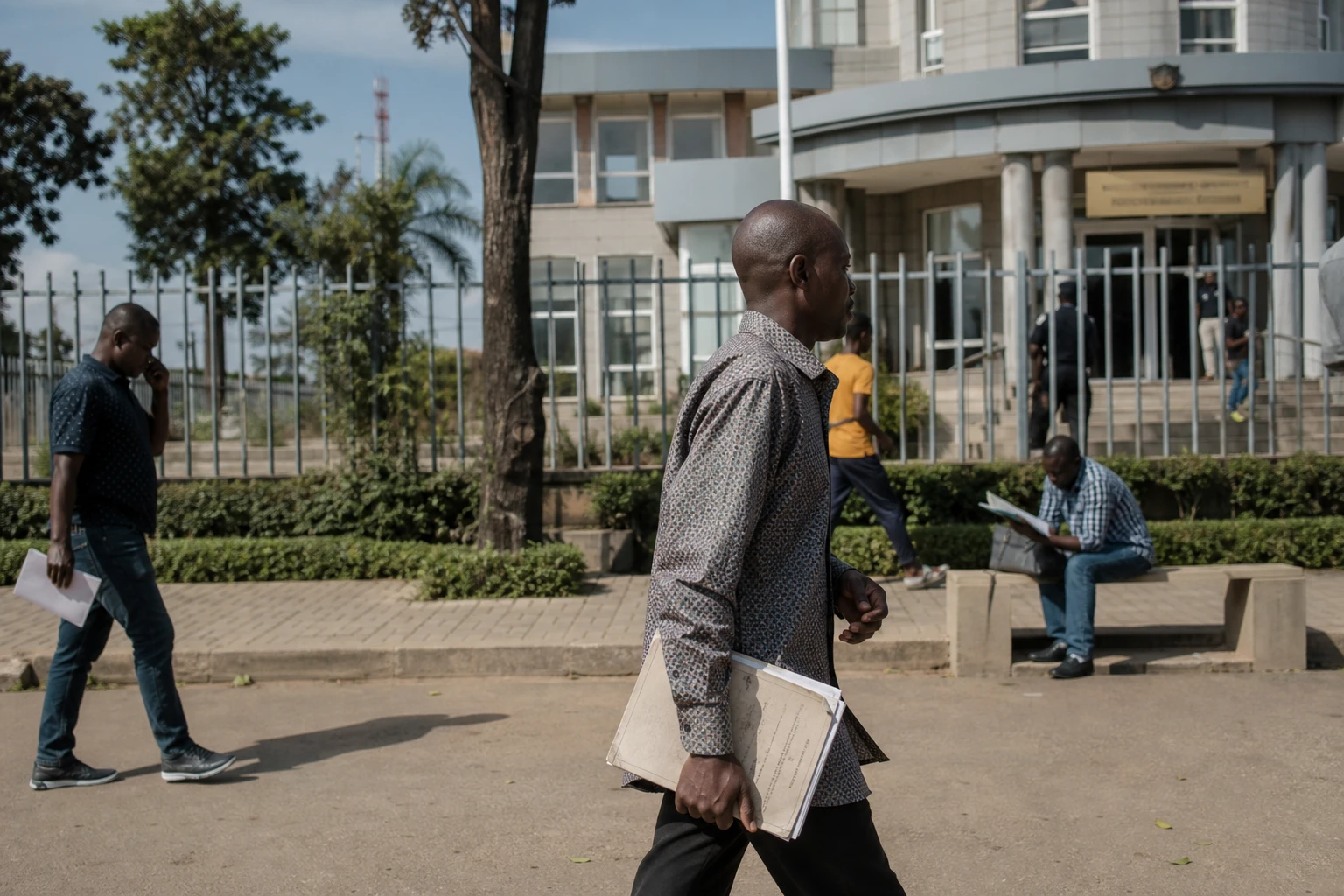
In Lubumbashi, a family dispute has taken on a judicial and political dimension. Raphaël Katebe Katoto is claiming rights over several properties held or occupied by his half-brother Moïse Katumbi. The Court of Cassation of the Democratic Republic of the Congo is due to examine the case on 26 October 2026.
A dispute rooted in Haut-Katanga
The dispute concerns properties located mainly in the Katanga region. The assets cited include the residences of Mulonde, Lofoi and Kashobwe, as well as the farms of Futuka and Munguzi. A plot in Mahenge has also featured in information made public.
Raphaël Katebe Katoto argues that these assets belong to him or were transferred under questionable circumstances. He accuses his half-brother of taking possession of them or claiming ownership without respecting his rights.
Moïse Katumbi’s defence rejects this account. It says it has sale documents, proof of payment and written records establishing that the transactions were lawful. The precise significance of each document will nevertheless have to be assessed by the court hearing the case.
The information reported about the residence on Avenue Lofoi in Lubumbashi dates back to the early 2000s. Documents presented by Moïse Katumbi’s defence refer to a sale, several payments and receipt of a balance. One of the written records mentions a payment of $250,000 as final settlement.
Other documents concern buildings in Kashobwe and facilities in Kalemie. The parties, however, interpret these deeds differently. One side says they establish transfers made years ago. The other argues that they are insufficient to extinguish the rights being claimed.
The Court’s jurisdiction at the heart of the dispute
Beyond ownership of the assets, Moïse Katumbi’s defence disputes the Court of Cassation’s jurisdiction. Olivier Kamitatu, the opposition figure’s spokesperson, has argued that the court would not have jurisdiction to examine the merits of such a dispute directly.
The Court of Cassation is the highest court in the Congolese judicial system. Its main role is to review how lower courts have applied the law. Whether it can hear this case directly is therefore a key question for the proceedings.
Justicia ASBL, a Congolese human rights organisation, has also raised questions about the Court’s jurisdiction and respect for the rights of the defence. This position does not prejudge the outcome of the case. It does, however, show that the debate extends beyond the family.
The Office of the Prosecutor General at the Court of Cassation has, for its part, requested that a hearing be scheduled. This has opened the way for judicial consideration of the case, without establishing at this stage either Moïse Katumbi’s liability or the definitive validity of Raphaël Katebe Katoto’s claims.
Raphaël Katebe Katoto says the proceedings date back to 2024. He rejects any link between the case and his recent stay in Lubumbashi. Asked about it in public, he declined to discuss the substance of the case, citing the secrecy of the investigation. He urged his critics to present their arguments before the judges rather than in the media.
A legal dispute amid political tensions
The case comes at a sensitive political moment in the Democratic Republic of the Congo. Moïse Katumbi remains one of the country’s leading opposition figures. Raphaël Katebe Katoto, meanwhile, has moved closer to Félix Tshisekedi’s government and has argued for extending the president’s time in office.
This political proximity has fuelled suspicions among Moïse Katumbi’s entourage. His lawyers allege that justice may be being instrumentalised and portray the proceedings as a fresh attempt to put pressure on an opposition figure. These accusations are disputed and have not been established by a court ruling.
Raphaël Katebe Katoto’s camp rejects any political interpretation. It says the case is strictly about property and was brought before recent political developments. The Court now faces a dual requirement: to rule on the legal questions and ensure that proceedings closely watched beyond the family remain transparent.
The public nature of the dispute between the two men makes it harder to separate these issues. The disagreement is not only about property titles. It is also unfolding between two well-known figures in Katanga, at a time of acute tensions over the judiciary, the opposition and the country’s institutional direction.
A test of confidence in Congolese justice
For residents of Lubumbashi and the other areas concerned, the stakes extend beyond the fate of the two protagonists. Land and property disputes frequently affect families, businesses and local authorities. They become particularly sensitive when old titles, private payments and administrative documents do not clearly match.
In a case of this kind, the expected ruling will have to clarify the nature of the rights being claimed, the weight of the documents submitted and which court has jurisdiction. It will also have to distinguish established facts from the allegations made by each side.
The case also highlights the importance of a justice system able to handle cases involving political figures without appearing to serve one side. For both the government and the opposition, the credibility of the proceedings will depend on the reasoning behind the ruling, each party’s access to the case file and respect for the avenues of appeal.
A case followed beyond Katanga
The case will be watched in Kinshasa, as well as in the provinces of Haut-Katanga and Lualaba, where the political and economic history of the two brothers is well known. It is also attracting interest from opposition parties and civil society groups following the rule of law in the Democratic Republic of the Congo.
At regional level, the dispute is a reminder of Katanga’s political weight in the Southern African Development Community (SADC). The region’s economic, family and commercial ties extend beyond the Congolese borders, particularly into Zambia and South Africa.
The hearing announced for 26 October 2026 will first have to answer a procedural question: can the Court of Cassation examine the case under the conditions set out by the Office of the Prosecutor General? The answer will determine how the dispute proceeds. It will also help gauge the Congolese justice system’s ability to handle a case involving family, property and politics without conflating the three.
Sources consulted: recent statements by Raphaël Katebe Katoto on the proceedings, the Office of the Prosecutor General at the Court of Cassation’s request for a hearing, the challenge to the Court of Cassation’s jurisdiction, Justicia ASBL’s response, information on the assets involved.