Algeria
 Egypt
 Libya
 Morocco
 Sudan
 Tunisia
 Benin
 Burkina Faso
 Cabo Verde
 Côte d'Ivoire
 Ghana
 Guinea
 Guinea-Bissau
 Liberia
 Mali
 Mauritania
 Niger
 Nigeria
 Senegal
 Sierra Leone
 The Gambia
 Togo
 Cameroon
 Central African Republic
 Chad
 Equatorial Guinea
 Gabon
 Republic of the Congo
 São Tomé and Príncipe
 Burundi
 Comoros
 Djibouti
 Eritrea
 Ethiopia
 Kenya
 Madagascar
 Malawi
 Mauritius
 Mozambique
 Rwanda
 Seychelles
 Somalia
 South Sudan
 Tanzania
 Uganda
 Angola
 Botswana
 Eswatini
 Lesotho
 Namibia
 South Africa
 Zambia
 Zimbabwe
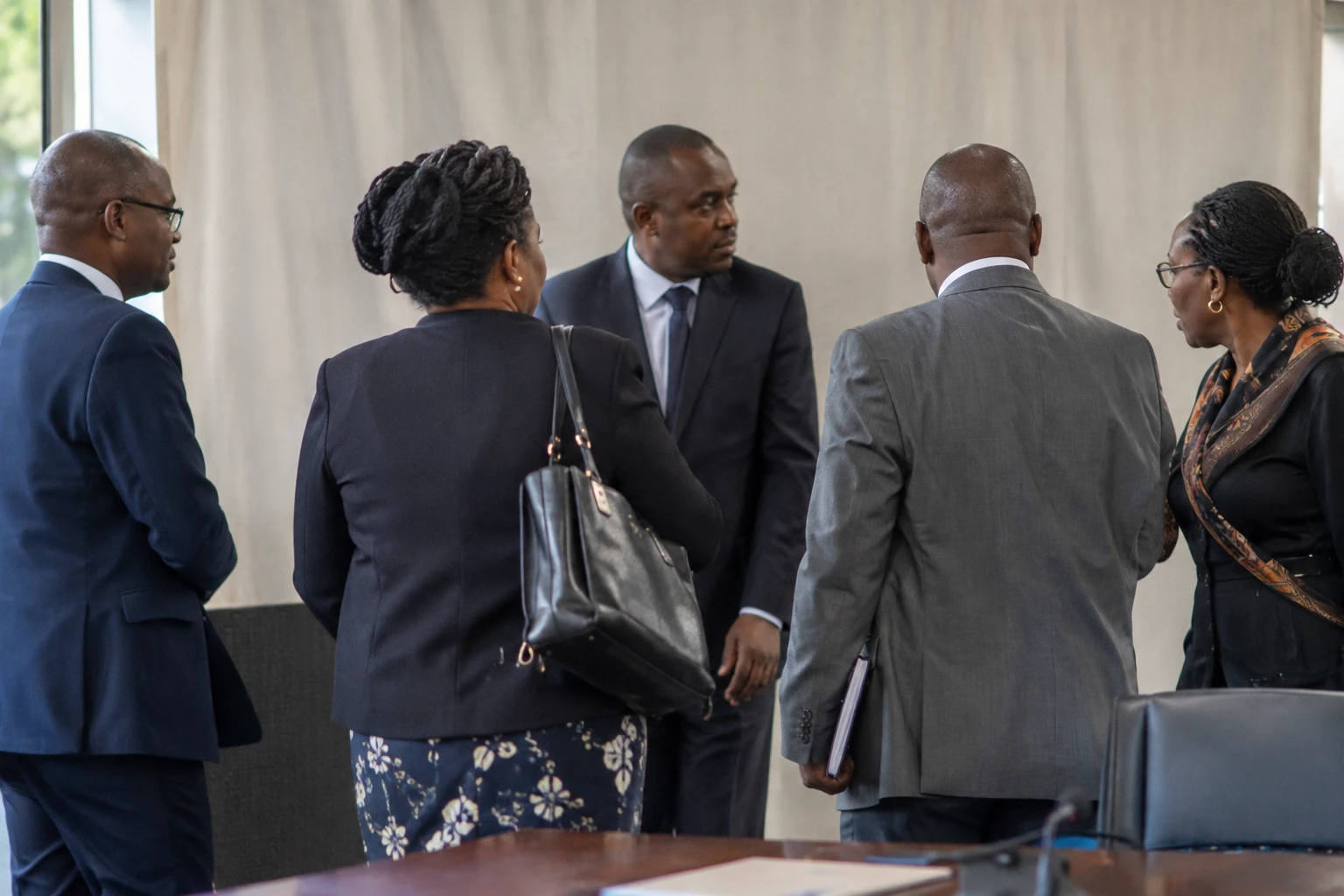
A new political alliance is taking shape in Goma at a time when peace initiatives are still seeking to turn ceasefires and agreements into tangible changes on the ground. The role given to Joseph Kabila could alter the balance among forces opposed to the government in Kinshasa. It also raises a central question: does this realignment open a political path or consolidate a coalition linked to armed struggle?
An announcement made in a city under AFC/M23 control
On 12 October 2026, officials gathered in Goma announced the creation of the Front for the Refoundation of the Nation (FRN), a politico-military platform led by former president of the Democratic Republic of the Congo Joseph Kabila. The announcement was reported by several Congolese media outlets and the Associated Press. Goma, the capital of North Kivu, has been controlled by the AFC/M23 since January 2025.
The coalition brings together several figures already associated with the Congo River Alliance and the March 23 Movement (AFC/M23). According to officials quoted in reports of the announcement, Corneille Nangaa and Bertrand Bisimwa are to serve as vice-presidents. Sultani Makenga is named as chief of the general staff. These roles were announced by members of the front; its organisation and implementation remain to be clarified.
Claude Ibalanky, described as an adviser to the coalition, said its aim was to coordinate resistance forces « by all means, including force ». Another statement, attributed to Moïse Nyarugabo, says that the FRN would remain open to a peaceful outcome while threatening to continue the war if President Félix Tshisekedi chose confrontation. These remarks illustrate the tension between the front’s stated offer of dialogue and its politico-military roots.
A realignment announced amid judicial and political tension
The new structure comes after a period of rapprochement between Joseph Kabila and the AFC/M23. In its report published in June 2026, the United Nations Group of Experts on the DRC had referred to a possible restructuring of the alliance, which could change its name and increase Kabila’s role. The announcement of the FRN thus gives public form to a realignment already envisaged, without in itself establishing how responsibilities will be divided.
The former head of state’s return to the forefront is also taking place against a backdrop of serious legal proceedings. In September 2025, the Congolese High Military Court sentenced him in absentia to death, notably for treason and war crimes. The authorities accused him of links with Rwanda and the M23. Kabila rejected the accusations and denounced a political trial. The sentence is a judicial fact; the accusations it upholds remain disputed by the man concerned.
For Félix Tshisekedi’s government, the emergence of the FRN blurs the lines between political opposition and armed groups. For the coalition’s leaders, it could provide a common banner and more visible political leadership. But the announcement does not yet show that the different components will accept a common strategy, or that groups on the ground will follow a unified chain of command.
Peace processes face a new actor
The DRC is involved in several overlapping diplomatic frameworks. The African Union, the East African Community (EAC) and the Southern African Development Community (SADC) are participating in mediation efforts. In 2025, Kinshasa and the AFC/M23 also signed a framework agreement in Doha intended to pave the way for a comprehensive peace agreement. These mechanisms aim to coordinate discussions between the government, the armed movement and regional actors.
The creation of the FRN therefore raises a practical question: does the new coalition intend to take the AFC/M23’s place in these discussions, represent it, or act in parallel? Statements issued at its launch do not settle the matter. A change of name or leadership is not enough to clarify obligations already negotiated. Mediators will need to know who can commit the forces on the ground and ensure compliance with any agreements.
The consequences extend beyond the leaders. In territories controlled by the AFC/M23, residents experience the effects of changes in authority, restrictions and clashes in their daily lives. In Kinshasa, the challenge also lies in the institutions’ ability to maintain political dialogue without conflating civil opposition with participation in an armed coalition. For traders, farmers and small businesses in the east, any resumption of fighting threatens movement, trade and incomes.
What to watch in the coming months
The FRN’s reach will first depend on its ability to make its structure clear: its political programme, decision-making rules, representation of its constituent groups and precise relationship with the AFC/M23. It will also be important to see whether the coalition takes part in peace talks and makes verifiable commitments to end hostilities. At this stage, statements by its officials do not answer these questions.
The issue concerns the entire Great Lakes region. EAC, SADC and African Union mediators will have to contend with this new organisation, while existing agreements remain the main diplomatic framework available. The next milestone is therefore less a statement of principle than a clarification: who negotiates on behalf of the armed forces, with what mandate, and how can commitments be verified?
In Goma, the FRN marks a new stage in the realignment of opposition to the government in Kinshasa. But its real influence will be measured neither by its name nor by its list of leaders. It will depend on its influence over the forces it claims to bring together and its ability to move the conflict towards verifiable political commitments.