Algeria
 Egypt
 Libya
 Morocco
 Sudan
 Tunisia
 Benin
 Burkina Faso
 Cabo Verde
 Côte d'Ivoire
 Guinea
 Guinea-Bissau
 Liberia
 Mali
 Mauritania
 Niger
 Nigeria
 Senegal
 Sierra Leone
 The Gambia
 Togo
 Cameroon
 Central African Republic
 Chad
 DR Congo
 Equatorial Guinea
 Gabon
 Republic of the Congo
 São Tomé and Príncipe
 Burundi
 Comoros
 Djibouti
 Eritrea
 Ethiopia
 Kenya
 Madagascar
 Malawi
 Mauritius
 Mozambique
 Rwanda
 Seychelles
 Somalia
 South Sudan
 Tanzania
 Uganda
 Angola
 Botswana
 Eswatini
 Lesotho
 Namibia
 South Africa
 Zambia
 Zimbabwe
Ghana’s gold value chain is changing
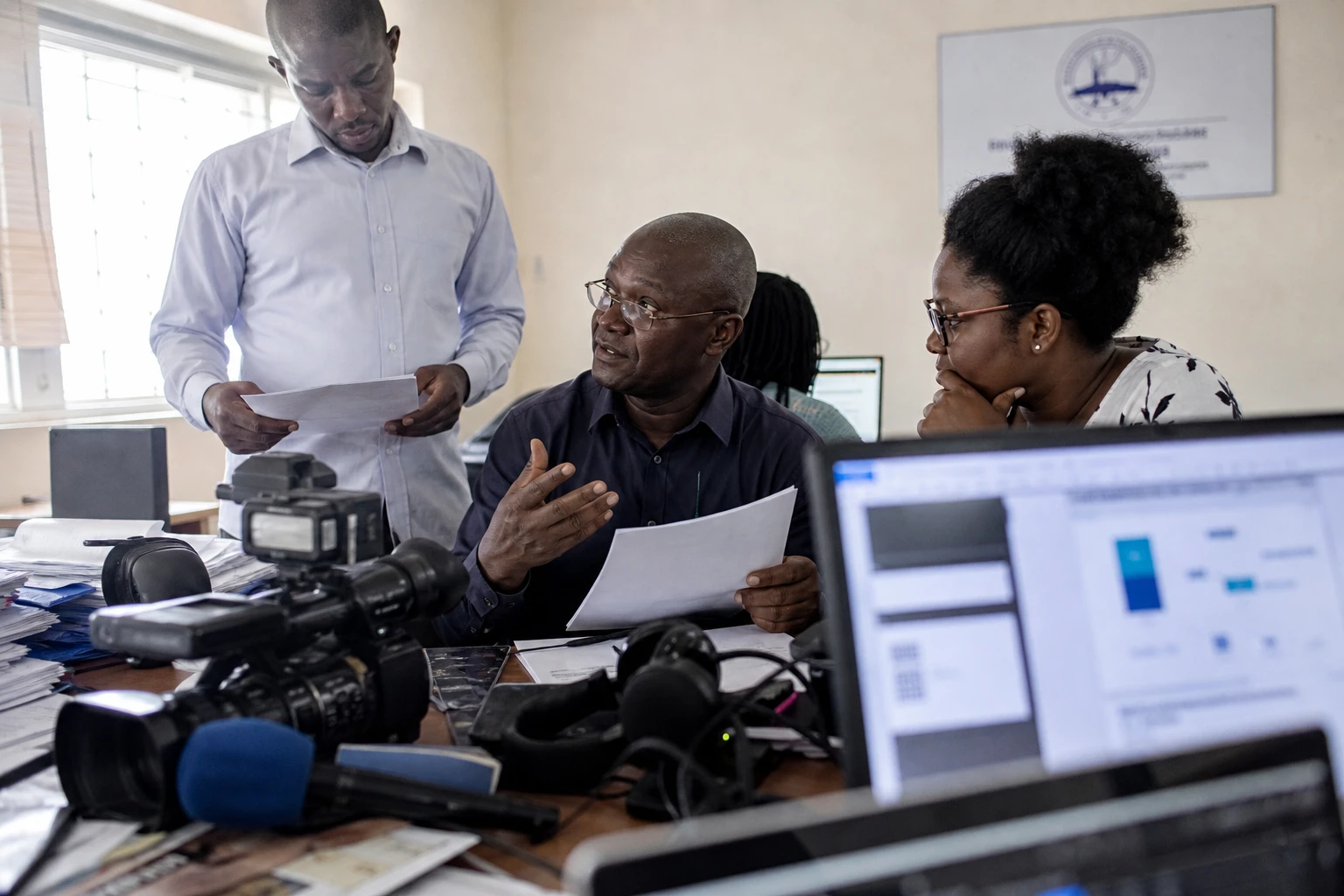
In Ghana, the debate is no longer just about how much gold is extracted from the ground. It is now about how much of that wealth the country actually retains once the gold is sold, exported and converted into foreign currency. In Accra, the government is relying on the Ghana Gold Board, better known as GoldBod, to bring order to a sector long marked by informality, revenue leakages and loss of control.
This shift is part of a broader strategy. Ghana, West Africa’s largest gold-producing economy, is seeking to link mining output, export revenues and macroeconomic stability. The Bank of Ghana said export revenues rose sharply in 2025, driven mainly by gold and cocoa, while gold exports were the main contributor to the improvement in external trade.
GoldBod: a tool for formalisation, not just a trading desk
Established by the 2025 Act, GoldBod was given a broad mandate: to buy, aggregate, weigh, test, value and export gold from the artisanal and small-scale mining sector. Since April 2025, the legal framework has also changed how licences are issued, with previous permits no longer valid for operators not covered by the new system. In practice, the Ghanaian state wants to channel more gold through official channels.
The goal is clear. On the one hand, to reduce smuggling and off-the-books sales. On the other, to capture more foreign currency to strengthen reserves and support the cedi, Ghana’s currency. The authorities have presented this approach as a way to turn a fragmented activity into a more transparent, more heavily taxed and better-monitored value chain. The institution has also been deployed as an aggregator for the national gold purchasing programme, a role that the Bank of Ghana and GoldBod’s public reports describe as central to supplying the official market.
Figures published by GoldBod show the scale of the shift. The organisation published audited financial statements for 2025 reporting an overall surplus of GH¢5.44 billion on total revenue of GH¢5.55 billion. The report states that the government provided start-up capital of GH¢4.55 billion to support purchases, trading and exports. The same publication describes GoldBod as one of the best-performing public bodies in Ghana’s extractive sector.
Rising output, but a more demanding economy
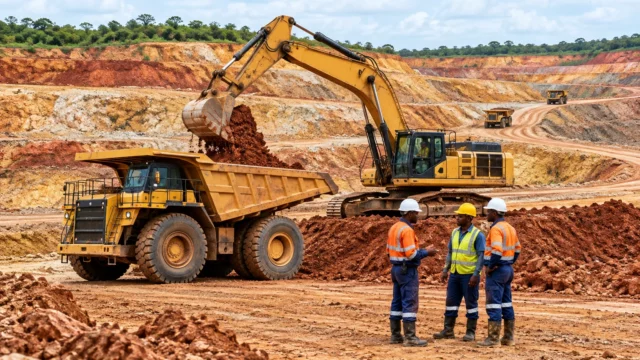
The context has favoured the reform. In 2025, Ghana’s gold production reached 5.94 million ounces, up 23.41% year on year, according to the public information agency. The increase was driven mainly by artisanal and small-scale mining, whose output rose from 1.90 million to 3.11 million ounces. The Minerals Commission also confirms that the artisanal sub-sector now accounts for a decisive share of national production.
The same trend is evident in exports. The Bank of Ghana said in its budget and monetary documents that gold-related revenues rose sharply in 2025, becoming the country’s leading source of export revenue. GoldBod has also said, citing this data, that gold exports reached about US$20 billion in 2025, compared with a much lower level a year earlier. Beyond the amount, the political signal is significant: Accra wants gold to stop slipping out of the national accounts.
For artisanal miners, the change cuts both ways. It opens up greater access to the official market, but also imposes stricter rules on licensing, traceability and sales. For informal traders, the room for manoeuvre is shrinking. For the state, the promise is a greater share of the value. In mining areas, particularly in the west, the underlying question remains the same: how can the wealth extracted be turned into roads, public services and sustainable jobs without worsening the environmental tensions already evident around illegal mining, known locally as galamsey?
What this development says about Ghana and the region
Ghana’s trajectory is attracting interest across West Africa. In a region where ECOWAS is weakened by coups, budgetary pressures and resource smuggling, Ghana’s case is an institutional test. The country is seeking to show that a state can regain control of a strategic resource without shutting down the market, by structuring it more effectively instead. It is also a message to other gold producers in the sub-region, which face the same parallel networks and loss of value.
This approach also has continental significance. Ghana presents GoldBod as an instrument of economic sovereignty, in a vein similar to other African countries seeking to exercise greater control over mining value chains, formalise artisanal mining and limit untraced outflows. The partnership announced in 2026 with the World Gold Council on formalising artisanal gold shows that the issue now extends beyond Ghana alone. It touches on natural resource governance, traceability and public revenues, three issues closely followed by the African Union and the continent’s economic institutions.
But a major note of caution remains. A rapid rise in revenues guarantees neither transparency nor long-term stability. The real test will be whether GoldBod can sustain high official flows, contain parallel networks, protect the environment and turn exceptional revenues into visible gains for Ghanaians, both in Accra and in mining areas. That is ultimately where the credibility of the new model will be decided.