Algeria
 Egypt
 Libya
 Morocco
 Sudan
 Tunisia
 Benin
 Burkina Faso
 Cabo Verde
 Côte d'Ivoire
 Ghana
 Guinea
 Guinea-Bissau
 Liberia
 Mali
 Mauritania
 Niger
 Nigeria
 Senegal
 Sierra Leone
 The Gambia
 Togo
 Cameroon
 Central African Republic
 Chad
 Equatorial Guinea
 Gabon
 Republic of the Congo
 São Tomé and Príncipe
 Burundi
 Comoros
 Djibouti
 Eritrea
 Ethiopia
 Kenya
 Madagascar
 Malawi
 Mauritius
 Mozambique
 Rwanda
 Seychelles
 Somalia
 South Sudan
 Tanzania
 Uganda
 Angola
 Botswana
 Eswatini
 Lesotho
 Namibia
 South Africa
 Zambia
 Zimbabwe
When money exists but fails to reach the right links
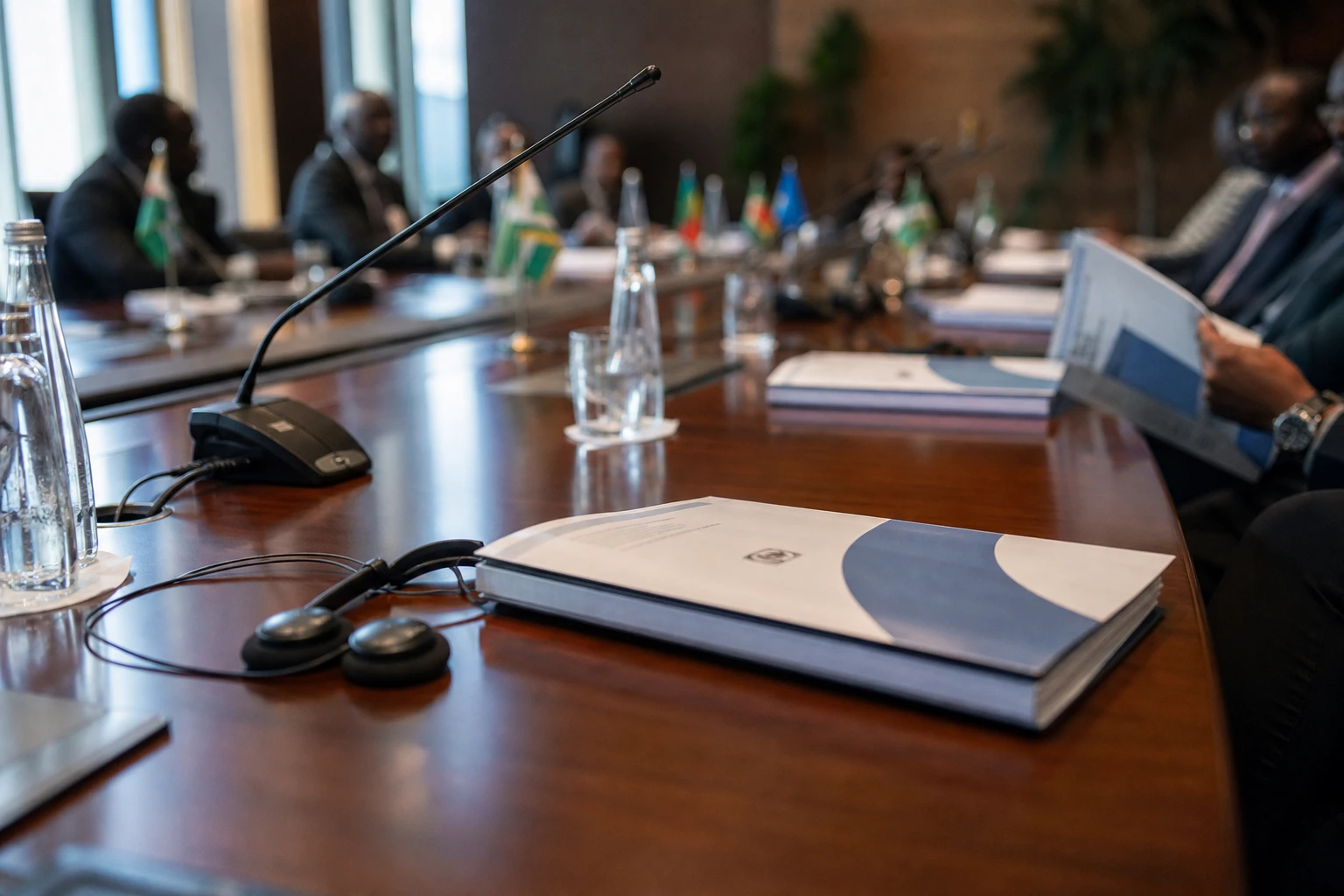
In Kigali, discussions at the Africa Food Systems Forum are a reminder of a simple reality: Africa is not short of ideas for feeding its markets, but it too often lacks capital directed to the right places. This year’s gathering brings together more than 5,000 participants from over 50 countries under a clear slogan: invest in the continent’s agrifood systems, with a focus on financing, value chains and resilience.
The debate is not theoretical. The continent faces a huge gap between the needs of agricultural transformation and the funding actually available. A joint report by the FAO, the Economic Commission for Africa, the World Food Programme and the African Union Commission says that hunger has been rising in Africa for eight years, with 306 million people undernourished and 892 million facing moderate or severe food insecurity. The same document also identifies 99 blended-finance deals in agrifood between 2020 and 2023, worth $3 billion, but notes that many of these arrangements primarily benefited large companies.
This is precisely where the challenge lies: turning political commitments into tangible credit for small and medium-sized agricultural businesses, the companies that buy, process, store, transport and distribute food every day. The Forum highlights blended finance — combining public or concessional funding with private capital — to reduce the risk borne by commercial banks and make agricultural projects more bankable.
The DR Congo is also looking to rail, cities and the cost of living
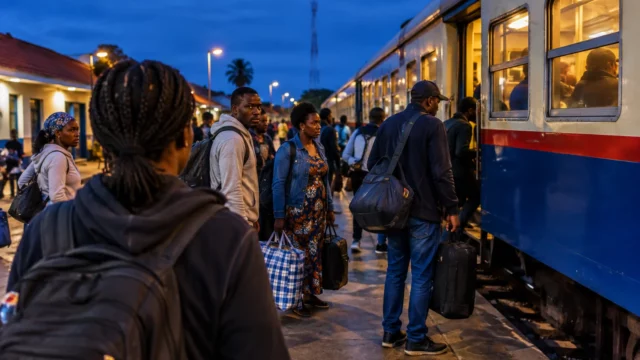
Against this continental backdrop, the Democratic Republic of the Congo offers another example of useful transformation: the resumption of Kinshasa’s urban train service after nearly 15 years out of operation. On 30 June 2026, President Félix-Antoine Tshisekedi relaunched the 25-kilometre link between the Central Station and N’Djili International Airport in Kinshasa, the DR Congo’s capital.
The return of urban rail is no minor matter in a city of nearly 20 million people, often paralysed by traffic jams. The Congolese executive presents the line as an initial response to three very concrete problems: easing congestion on the roads, stabilising fares for passengers and reclaiming railway land illegally occupied in some places. The presidency has also cited an announced reduction of 20 to 30 minutes on the journey between the Central Station and N’Djili.
At its core, the revival of the urban train is as much about the economy as mobility. For workers, it could make journeys more predictable. For small traders, it could make travel to markets and business areas more reliable. For the state, it tests its ability to restore a public infrastructure service rather than stopping at a political announcement. In a metropolis where informal transport remains dominant, a regular train service can shape the day for thousands of families.
What this means for the Congolese and the region
The DR Congo stands at the crossroads of two urgent needs: feeding its people better and improving the movement of its people, goods and economic activity. In a country where agriculture still plays a central role in rural incomes and urban food supplies, financing agrifood SMEs remains decisive. Without local processing, crops go to waste, prices rise in cities and added value flows to other links in the chain. The debate in Kigali therefore speaks directly to the one in Kinshasa: how can investment promises be turned into services, roads, railways, warehouses and jobs?
The issue also concerns the quality of public policy. The Kigali Forum emphasises linking investors, governments and local businesses. This is a sensitive point in Central Africa, where projects often exist on paper but struggle to overcome the barriers of risk, the cost of credit and weak collateral. Risk-sharing mechanisms, development banks and sovereign wealth funds are therefore at the heart of the discussions. At continental level, the question is whether African money, still too often held outside the continent, can do more to support local industries.
The continental significance is clear. On the one hand, Africa is seeking to finance its food sovereignty without waiting for external flows that are ever scarcer and more costly. On the other, capitals such as Kinshasa show that a well-chosen basic infrastructure project can ease urban pressure and improve everyday productivity. These two dynamics reinforce each other. They make the same point: Africa will win neither the food battle nor the mobility one through announcements alone, but through financing that reaches small businesses, frontline operators and useful public services.
The Kigali Forum still has to settle its political and financial decisions by 4 September 2026, while Kinshasa will have to prove over time that the train can run regularly. That is where the difference between a symbol and a lasting policy will be measured.