Algeria
 Egypt
 Libya
 Morocco
 Sudan
 Tunisia
 Benin
 Burkina Faso
 Cabo Verde
 Côte d'Ivoire
 Ghana
 Guinea
 Guinea-Bissau
 Liberia
 Mali
 Mauritania
 Niger
 Nigeria
 Senegal
 Sierra Leone
 The Gambia
 Togo
 Cameroon
 Central African Republic
 Chad
 Equatorial Guinea
 Gabon
 Republic of the Congo
 São Tomé and Príncipe
 Burundi
 Comoros
 Djibouti
 Eritrea
 Ethiopia
 Kenya
 Madagascar
 Malawi
 Mauritius
 Mozambique
 Rwanda
 Seychelles
 Somalia
 South Sudan
 Tanzania
 Uganda
 Angola
 Botswana
 Eswatini
 Lesotho
 Namibia
 South Africa
 Zambia
 Zimbabwe
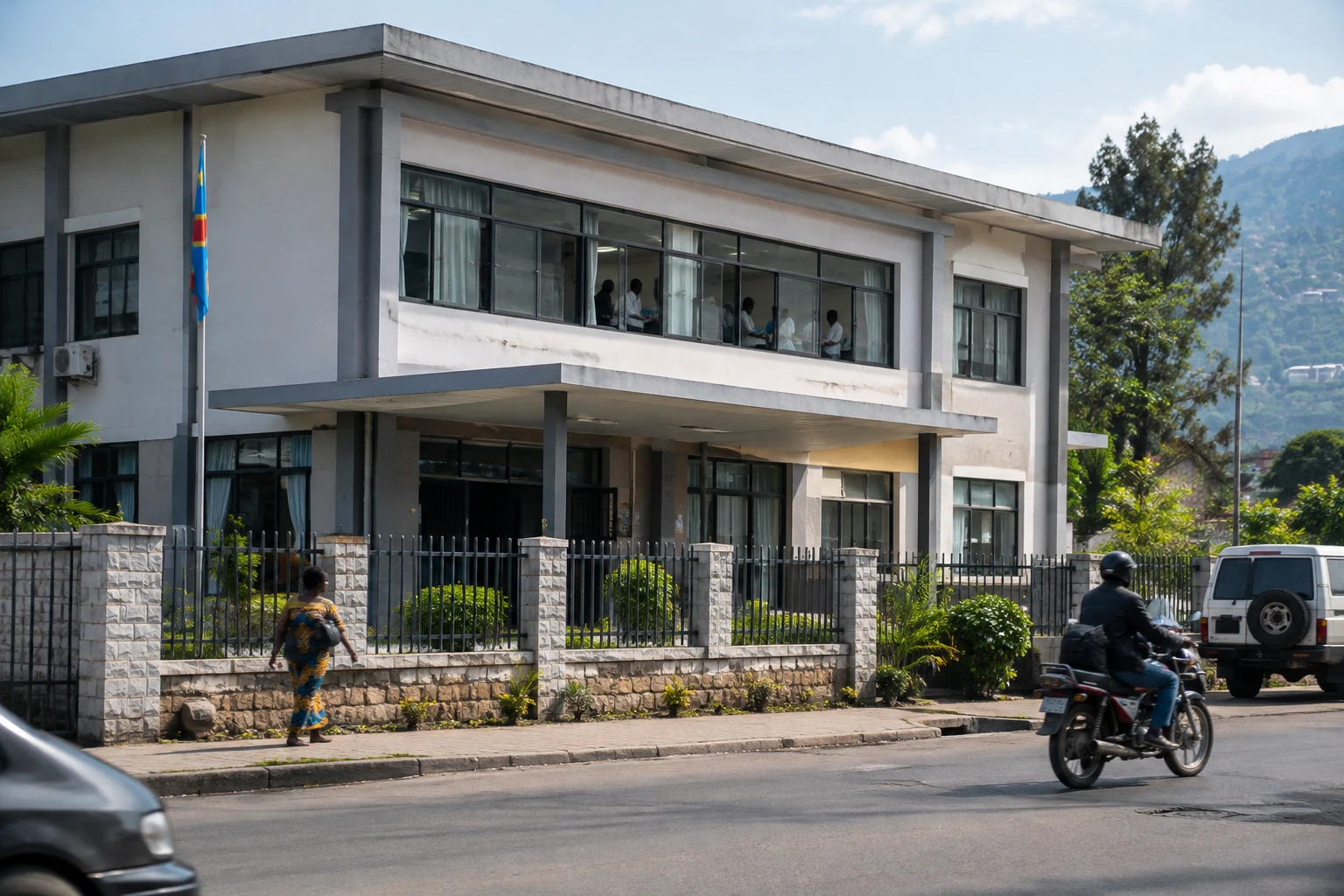
The spread of Ebola in the Democratic Republic of the Congo can no longer be understood solely through its initial epicentre. On 18 October, North Kivu recorded more new confirmed cases than Ituri, while two reported infections in Nord-Ubangi extended the virus’s reported presence to an eighth province. This shift in outbreak sites is testing a response already facing insecurity and unevenly distributed healthcare needs.
An expanding outbreak map
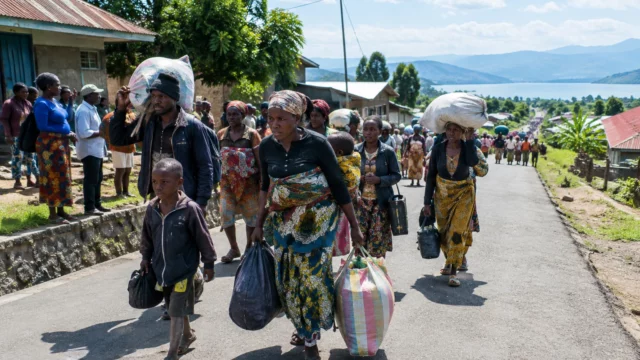
The DRC is in its 17th Ebola outbreak. The current outbreak, caused by the Bundibugyo virus, was declared in May 2026, following detections in the east of the country. Ituri accounted for the largest share for a long time. But transmission has also taken hold in North Kivu and other provinces, forcing the authorities to monitor several outbreak sites simultaneously.
The outbreak’s evolution also affects the DRC’s neighbours. The World Health Organization has reported cross-border spread in Uganda. Regional coordination therefore matters as much as action in affected areas: the movement of people and ties between communities do not stop at administrative borders.
On 18 October, data from a situation-monitoring system based on response reports showed 97 new cases nationwide in 24 hours. The same report recorded 48 new confirmed cases in North Kivu, compared with 42 in Ituri. These figures describe one particular day; they do not mean that Ituri has ceased to be a major outbreak site or that the epidemic’s centre of gravity has shifted permanently.
The situation report also listed two confirmed cases in Nord-Ubangi. At that point, no other cases there were reported in the summary cited. The geographical expansion complicates surveillance: each new outbreak site requires contact tracing, sampling teams and isolation capacity suited to local conditions.
Healthcare capacity under uneven pressure
The difference between the provinces is also evident in occupancy at treatment centres. According to figures from the response report cited in the available information, facilities in Ituri were 41% occupied, compared with nearly 88% in North Kivu. Beds for suspected cases there were about 94% occupied. These rates are indicators of capacity at a given moment, not a direct measure of the total number of patients in each province.
This pressure makes rapid testing and patient referrals crucial. It also weighs on families: travel to a centre, waiting for a result and isolating a relative can disrupt daily activities, particularly when care facilities are far from communities. Hospital figures do not always show people who have not yet been diagnosed or who live far from healthcare facilities.
In Bunia, the capital of Ituri, Médecins Sans Frontières announced that it would close its Elykia treatment centre at the end of October. The organisation says people with symptoms will be able to go to other facilities in Bunia and its surrounding area. The change is part of a redeployment of teams and resources; its impact will depend on whether the centres that remain open can take in patients and maintain accessible care.
In North Kivu, the response faces particularly serious security obstacles in some areas. The presence of armed groups, including the Allied Democratic Forces (ADF), restricts movement and complicates the work of healthcare teams. Access restrictions can delay investigations, contact tracing and the delivery of supplies. They do not, however, explain the causes of the outbreak, which also require community-based surveillance and trust among communities.
What happens next depends on local detection
The shift from a picture dominated by Ituri to a day when North Kivu reported more cases calls for resources to be adjusted without abandoning long-standing outbreak sites. For the Congolese authorities and their partners, the challenge is to allocate teams according to actual needs while retaining the capacity to respond in provinces where the number of new cases is falling. A temporary improvement is not enough to conclude that transmission has been interrupted.
The presence of the virus in Nord-Ubangi also expands coordination needs beyond the east. Surveillance, health information and referral systems must reflect conditions in each province. At regional level, the health authorities of neighbouring countries and continental institutions have a coordinating role, while national systems remain central to testing and care.
The next reports will need to clarify whether the high level observed in North Kivu is sustained, whether cases in Nord-Ubangi remain isolated and whether treatment centres retain sufficient spare capacity. For residents, the difference will be felt in practical ways: being able to access a test quickly, find an available facility and receive reliable information close to home.