Algeria
 Egypt
 Libya
 Morocco
 Sudan
 Tunisia
 Benin
 Burkina Faso
 Cabo Verde
 Côte d'Ivoire
 Ghana
 Guinea
 Guinea-Bissau
 Liberia
 Mali
 Mauritania
 Niger
 Nigeria
 Senegal
 Sierra Leone
 The Gambia
 Togo
 Cameroon
 Central African Republic
 Chad
 Equatorial Guinea
 Gabon
 Republic of the Congo
 São Tomé and Príncipe
 Burundi
 Comoros
 Djibouti
 Eritrea
 Ethiopia
 Kenya
 Madagascar
 Malawi
 Mauritius
 Mozambique
 Rwanda
 Seychelles
 Somalia
 South Sudan
 Tanzania
 Uganda
 Angola
 Botswana
 Eswatini
 Lesotho
 Namibia
 South Africa
 Zambia
 Zimbabwe
An outbreak spreading beyond Ituri province
In the Democratic Republic of Congo, Ebola is no longer an alert confined to a handful of health zones in the east. The virus has spread, while response teams must operate in a country already marked by cross-border mobility, population displacement and often confusing flows of information.
The epidemic is first affecting people in Ituri, but its impact extends far beyond the province. It is putting pressure on hospitals, slowing local activities and complicating daily life in cities such as Bunia in the east, where commercial and human traffic remains intense. It also serves as a reminder of a reality familiar to health authorities in Kinshasa: DR Congo is not short of experience in dealing with Ebola, but every outbreak means having to fight the battle almost from scratch.
What the latest official data show
The Congolese health ministry published a situation report on 11 August 2026. Meanwhile, on 4 August 2026, the WHO still reported 3,973 confirmed cases, 1,801 deaths and 776 people recovered, across 51 health zones in five provinces: Ituri, North Kivu, South Kivu, Haut-Uélé and Tshopo. The most recent publicly available update points to an even wider spread, with 4,665 confirmed cases and 2,184 deaths as of 12 August, according to a summary cited by health authorities and relayed through international monitoring channels. These figures show that the curve is still rising, despite the stepped-up response.
The most worrying aspect remains the speed of the spread. Initially concentrated in the Mongbwalu health zone in Ituri, the outbreak has since crossed administrative boundaries to reach several provinces. The WHO said transmission was reaching an increasing number of areas, up to 49 health zones in five provinces, while national surveillance continued to adapt to the rise in alerts, suspected cases and reported deaths.
Why the response remains fragile despite Congo’s experience
DR Congo knows Ebola well. This is the country’s 17th recorded outbreak since 1976. But experience does not dispel team fatigue, logistical difficulties or mistrust among some residents. In Ituri, health workers operate in areas where roads are long, facilities are sometimes under-equipped and population movements are frequent. In this context, every delay in care can fuel new chains of transmission.
Health authorities and their partners are banking on a community-based response: active contact tracing, rapid isolation, infection prevention in hospitals, safe and dignified burials, and community engagement. On 6 August, the WHO and Africa CDC stressed the need for a response conducted with communities rather than against them. The message is clear: without trust, patients arrive at treatment centres too late and alerts are not raised quickly enough.
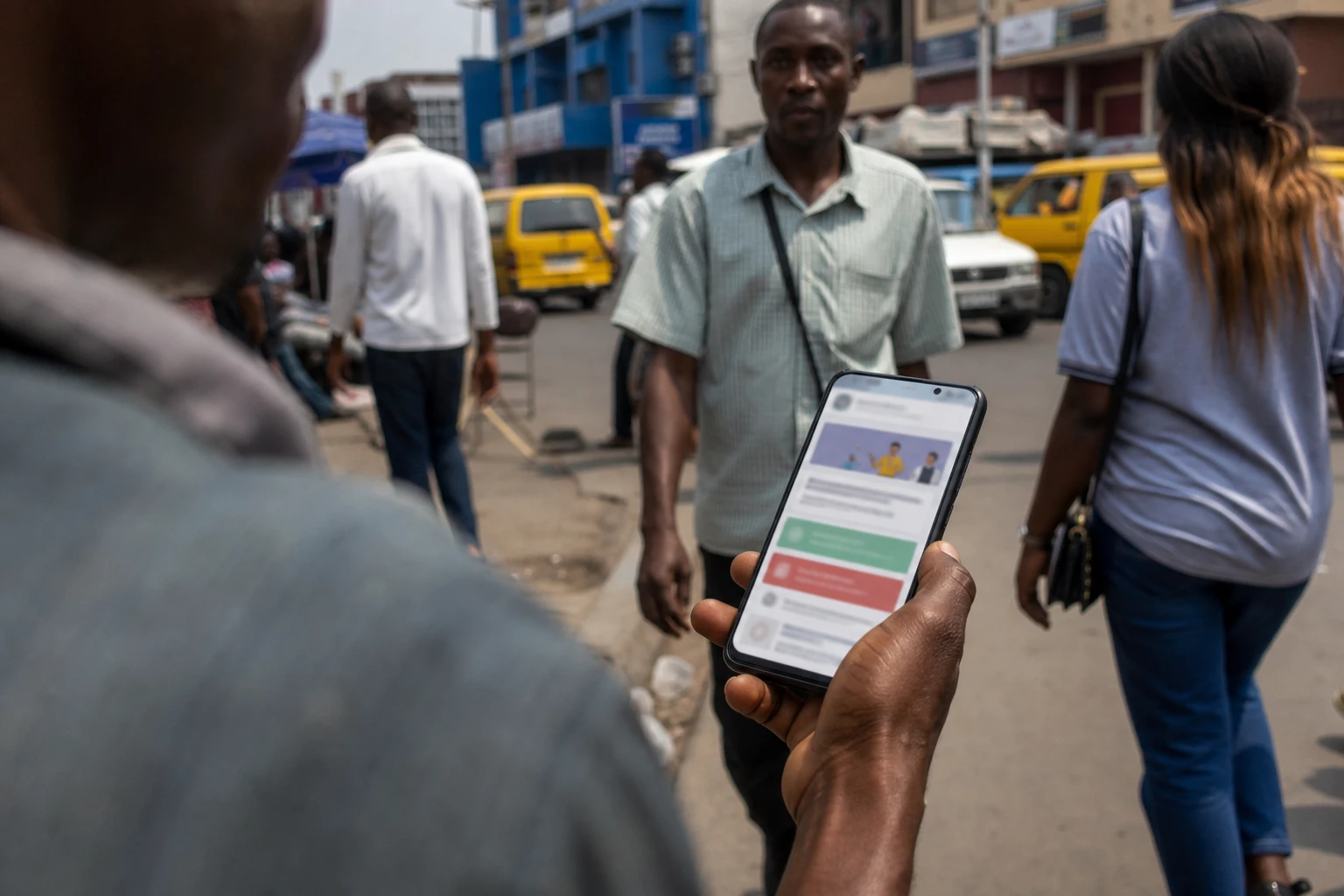
Trust is central in DR Congo. In the east, people are already living with insecurity, forced displacement and repeated crises. When health information arrives late, or instructions are poorly understood, rumours gain ground. This can lead to reluctance to get tested, refusals to follow up contacts or patients leaving treatment facilities. The response must therefore do more than count cases: it must persuade, explain and adapt to local realities.
A regional issue, not just a Congolese one
The issue goes beyond DR Congo. The WHO and Africa CDC have already treated the outbreak as a regional threat because of movement between DR Congo, Uganda and South Sudan. In May 2026, the health ministers of DR Congo, Uganda and South Sudan strengthened their coordination in Kampala. Uganda then announced the end of its own outbreak on 28 July 2026, but Kinshasa remains under pressure as transmission continues on the Congolese side.
This cross-border dimension explains the involvement of the African Union, through Africa CDC. The continental agency has already classified the outbreak as a public health emergency of continental security. This is not a symbolic move. It is intended to mobilise resources, speed up coordination and prevent each country from responding in isolation. For Central Africa and the Great Lakes, the stakes are also economic: cross-border trade, transport and mining activities depend on movement that cannot simply be halted without significant social costs.
The course of this epidemic is also a reminder of a broader lesson for the continent. Major outbreaks are not defeated with triumphant announcements or indiscriminate border closures. They are defeated with health systems capable of raising alerts early, testing quickly and maintaining links with communities. In DR Congo, the next turning point will depend on the ability to contain the remaining active hotspots, particularly in provinces already affected and in transit areas leading to neighbouring countries. Surveillance will need to remain tight in the coming days and weeks, as every new movement can restart a chain of transmission.