Algeria
 Egypt
 Libya
 Morocco
 Sudan
 Tunisia
 Benin
 Burkina Faso
 Cabo Verde
 Côte d'Ivoire
 Ghana
 Guinea
 Guinea-Bissau
 Liberia
 Mali
 Mauritania
 Niger
 Nigeria
 Senegal
 Sierra Leone
 The Gambia
 Togo
 Cameroon
 Central African Republic
 Chad
 Equatorial Guinea
 Gabon
 Republic of the Congo
 São Tomé and Príncipe
 Burundi
 Comoros
 Djibouti
 Eritrea
 Ethiopia
 Kenya
 Madagascar
 Malawi
 Mauritius
 Mozambique
 Rwanda
 Seychelles
 Somalia
 South Sudan
 Tanzania
 Uganda
 Angola
 Botswana
 Eswatini
 Lesotho
 Namibia
 South Africa
 Zambia
 Zimbabwe
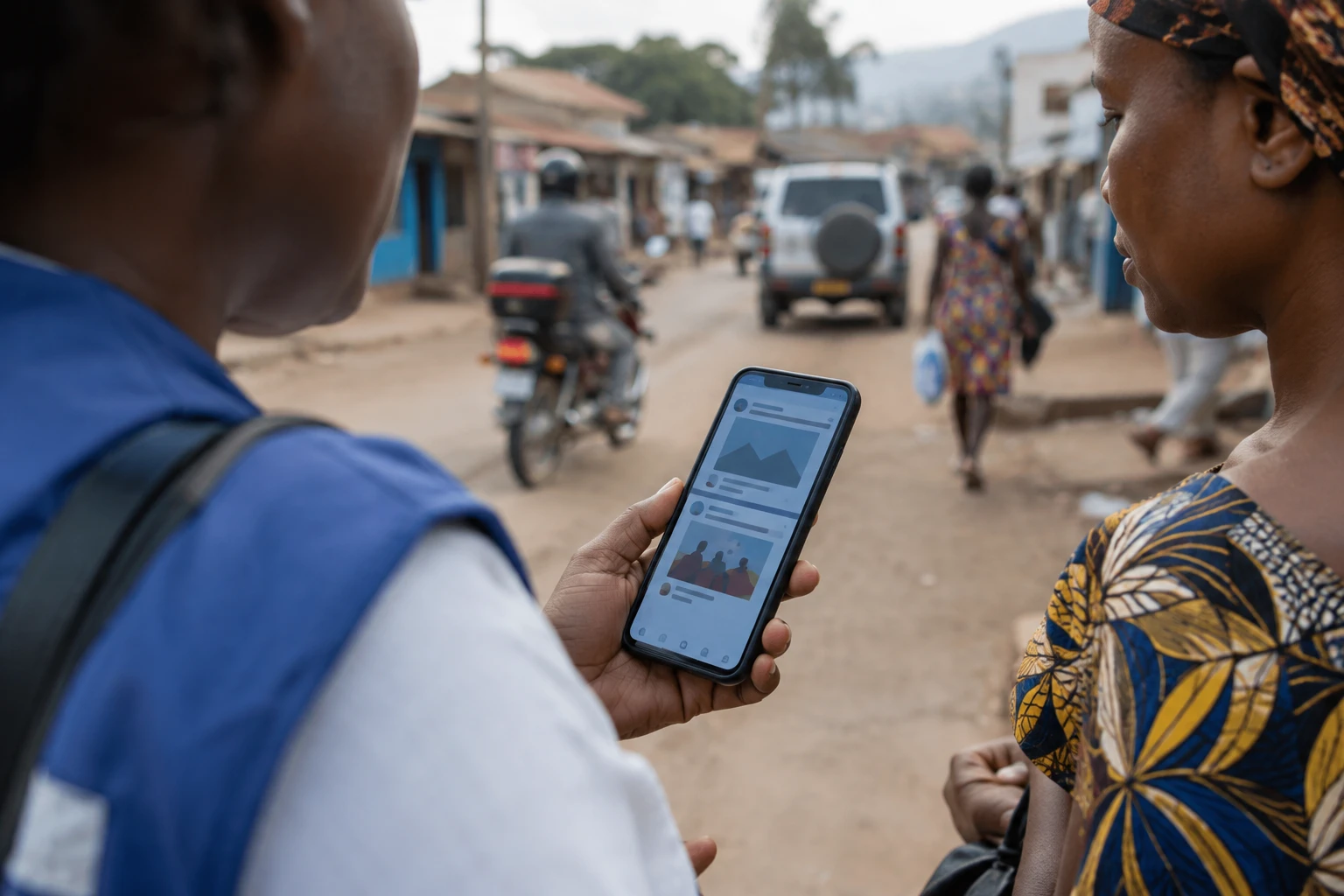
In Bunia, in Ituri, the disease’s effects go beyond physical symptoms. For bereaved families, isolated patients and exposed health workers, fear and rejection prolong the ordeal long after medical care. In eastern Democratic Republic of the Congo (DR Congo), psychological support has therefore become a practical part of the fight against Ebola.
A health emergency in a region under pressure
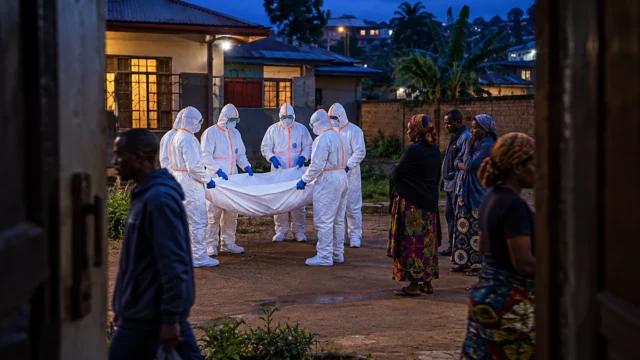
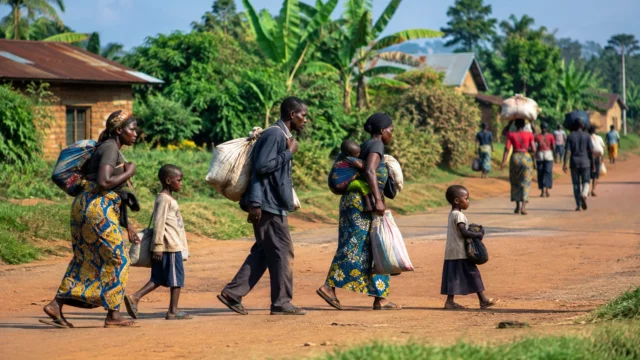
The current outbreak, caused by the Bundibugyo virus, was declared in May 2026. It is spreading across several provinces, including Ituri, North Kivu and Haut-Uélé. The region is also experiencing armed violence, population displacement and difficulties accessing healthcare. These conditions complicate contact tracing and rapid access to treatment centres.
On 18 October, the authorities reported that the virus had spread to an eighth province, North Ubangi. Data reported the previous day showed at least 9,400 cases and more than 4,500 deaths since the outbreak began. These figures change as investigations are conducted and totals are consolidated. The World Health Organization (WHO) had already warned in August that the actual number of infections could be higher than the reported case count.
This spread is taking place in a sensitive regional context. Ituri and North Kivu are close to Uganda and South Sudan, while new reports in the north of the country concern areas near the Central African Republic. Cases have also been reported beyond the Congolese borders. Cross-border surveillance and coordination are therefore essential, while keeping the needs of local communities in view.
Grief, isolation and stigma
In Bunia, a woman receiving care at the Lobiko mental health centre lost two close relatives and three members of her extended family during the outbreak. She says her neighbours are afraid to come near her family. She asked to remain anonymous, amid concerns that people associated with Ebola may be ostracised.
The disease requires separations to limit transmission. But isolation in a treatment centre can also heighten anxiety, especially when patients do not know what to expect or when they will see their loved ones again. After recovering, some survivors say they still face mistrust or rejection from those around them.
Anicet Katembo Vyaluva, a nurse in Bunia, describes suffering that affects patients, survivors and healthcare staff. Mirella Riccardi, a mental health and psychosocial support specialist at Médecins Sans Frontières (MSF), notes that conflict and displacement have already weakened communities. Ebola then adds to an accumulation of fear and loss.
Stigma is not merely a social consequence. It can also keep sick people from seeking care. Those who fear rejection or isolation may delay going to hospital, while rumours fuel mistrust of response teams. On 18 October, the Associated Press reported that health workers were making home visits in some areas because residents were too afraid to go to hospital.
Psychological support as part of care
Mental health care does not replace screening or treatment for the virus. It can, however, help people understand their care, express their fears and stay connected with their loved ones. This support can also build trust between health workers and patients, an important condition for people to accept medical follow-up.
WHO says response teams provide psychosocial support to patients, affected families and frontline workers. In a report published on 10 October, the organisation said that 193 community workers in Ituri had been trained in psychological first aid and 64 psychologists had received additional training. These figures describe the resources deployed as of that date, not the extent to which all needs in the province are being met.
MSF also emphasises dialogue with residents. Explanations about isolation, care and the stages of treatment can reduce uncertainty. But awareness-raising works better when it relies on locally trusted intermediaries and responds to communities’ concerns. Top-down communication alone risks worsening mistrust.
The response also depends on trust
For the Congolese authorities, the challenge is to continue fighting the virus while maintaining access to essential healthcare in areas affected by insecurity. Patients and their families need clear information and support that respects their dignity. Health workers, in turn, need to be able to work in safe conditions and receive support in dealing with the risks and emotional burden.
The cross-border dimension gives the response regional significance. In August, WHO maintained the outbreak’s classification as a public health emergency of international concern, calling for coordination between states and health partners. That does not remove the need to account for the realities of each area: people’s mobility, roads, insecurity and trust in health services vary from one place to another.
In the coming days, the development of cases in the newly affected provinces, access to treatment centres and teams’ ability to engage with residents will remain crucial. In Bunia, as elsewhere in Ituri, addressing fear, grief and isolation is part of the health response. Trust cannot be decreed: it is built over time, in contact with communities.
For updates on the health situation, the WHO publishes updates on the Bundibugyo outbreak. MSF also outlines its approach to psychological support and community dialogue in DR Congo.