
 Algeria
 Egypt
 Libya
 Morocco
 Sudan
 Tunisia
 Benin
 Burkina Faso
 Cabo Verde
 Côte d'Ivoire
 Ghana
 Guinea
 Guinea-Bissau
 Liberia
 Mali
 Mauritania
 Niger
 Nigeria
 Senegal
 Sierra Leone
 The Gambia
 Togo
 Cameroon
 Central African Republic
 Chad
 Equatorial Guinea
 Gabon
 Republic of the Congo
 São Tomé and Príncipe
 Burundi
 Comoros
 Djibouti
 Eritrea
 Ethiopia
 Kenya
 Madagascar
 Malawi
 Mauritius
 Mozambique
 Rwanda
 Seychelles
 Somalia
 South Sudan
 Tanzania
 Uganda
 Angola
 Botswana
 Eswatini
 Lesotho
 Namibia
 South Africa
 Zambia
 Zimbabwe
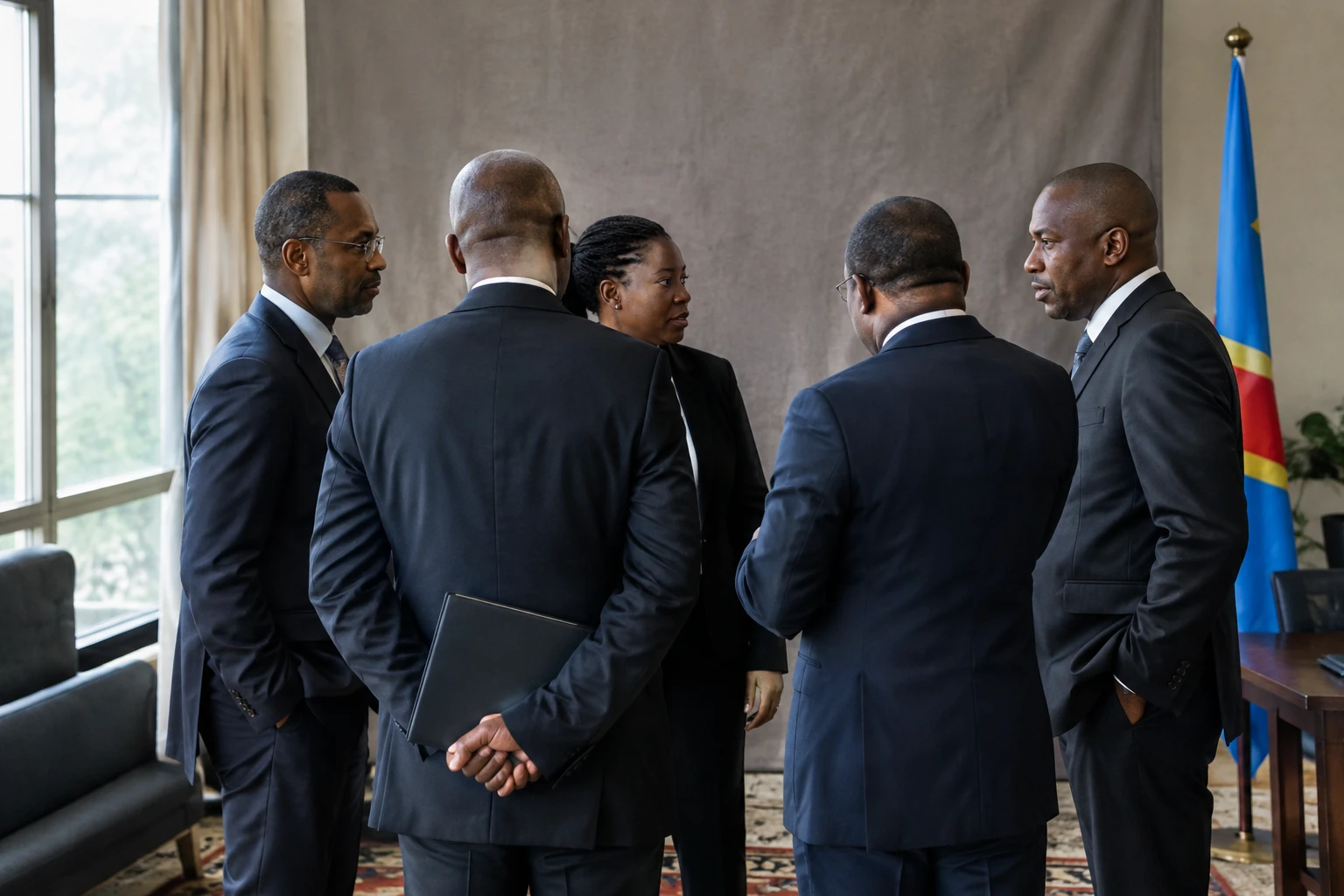
In the east of the Democratic Republic of the Congo, a new name does not necessarily mean a new actor. On 11 November 2026, the UN sanctions committee added “Front pour la refondation de la Nation” (FRN) as another name for the Alliance Fleuve Congo (AFC). The clarification is intended to prevent a change of name from allowing the group to evade measures already in place.
An update reflecting the movement’s evolution
The AFC is a politico-military movement active in eastern DR Congo and allied with the March 23 Movement (M23). The official Security Council listing states that the AFC was listed on 14 July 2026. It describes the group’s political, logistical and operational support for the M23 and other armed groups. The 11 November update therefore adds the FRN to the identity already under sanctions, rather than creating a separate file.
For the authorities and bodies responsible for enforcing sanctions, the consequence is clear: the AFC and the FRN are treated as the same entity. The associated measures include an asset freeze and an arms embargo. The DRC sanctions committee reports to the Security Council and monitors the implementation of these measures, which are set out in successive resolutions.
The decision comes as fighting intensifies in South Kivu. The territories of Kalehe and Kabare, in the east of the country, have been hit by fresh clashes. Initial humanitarian estimates reported on 11 November put the number of people displaced over four days at more than 323,000. The figure is provisional: limited access to affected areas is hampering the assessment of needs and verification of population movements.
Sanctions: the challenge of enforcement on the ground
The change of name first raises a question of traceability. Banks, states and other relevant actors must be able to identify the entities targeted, even when they use multiple names. The update may reduce ambiguity in the implementation of the asset freeze and arms embargo. However, it is not enough on its own to halt the fighting or guarantee that the measures will be observed.
The case is part of a wider sequence of events. The Security Council had already listed the AFC in July 2026, while individuals linked to the movement and the M23 are also subject to measures. Meanwhile, Kinshasa has pursued diplomatic efforts to maintain international pressure. Foreign Minister Thérèse Kayikwamba Wagner described the addition of the FRN as a necessary clarification, saying the AFC/M23 and the FRN refer to the same movement.
Joseph Kabila, a former president of the Democratic Republic of the Congo, is linked to the movement in reports about this development. He is also subject to US sanctions, which fall under a regime separate from that of the United Nations. It is therefore important not to conflate measures taken by Washington with those decided by the Security Council.
On the ground, the crisis’s most immediate effects are felt by civilians. Displaced households have to leave their homes, while access restrictions hamper aid and complicate humanitarian monitoring. Urban centres and transport routes may also suffer the consequences of the fighting. The impact of financial sanctions and the embargo, meanwhile, depends above all on states’ ability to enforce them and on whether the networks fuelling the conflict can be monitored.
A national crisis with regional repercussions
The war in the east is not solely an internal Congolese issue. The Democratic Republic of the Congo is a member of the Southern African Development Community (SADC), a regional organisation engaged in peace and security issues, and also participates in Great Lakes regional initiatives. Tensions between Kinshasa and Kigali, along with cross-border displacement and arms flows, make regional cooperation crucial.
UN sanctions add diplomatic leverage, but they do not replace negotiations or regional mechanisms. Their credibility depends on consistent enforcement, particularly when armed groups change their name or structure. For Congolese people, the decisive measure will remain the security situation in the affected territories and whether civilians can return safely.
The next developments to watch are therefore twofold: the effective updating of monitoring tools linked to the UN list and the course of the fighting in South Kivu. The displacement figure will also need to be refined as humanitarian teams gain access to the areas concerned. At this stage, listing the FRN clarifies the identity under sanctions; it does not, in itself, amount to a ceasefire agreement.



