
 Algeria
 Egypt
 Libya
 Morocco
 Sudan
 Tunisia
 Benin
 Burkina Faso
 Cabo Verde
 Côte d'Ivoire
 Ghana
 Guinea
 Guinea-Bissau
 Liberia
 Mali
 Mauritania
 Niger
 Nigeria
 Senegal
 Sierra Leone
 The Gambia
 Togo
 Cameroon
 Central African Republic
 Chad
 DR Congo
 Equatorial Guinea
 Gabon
 Republic of the Congo
 São Tomé and Príncipe
 Burundi
 Comoros
 Djibouti
 Eritrea
 Ethiopia
 Kenya
 Madagascar
 Malawi
 Mauritius
 Mozambique
 Rwanda
 Seychelles
 Somalia
 South Sudan
 Tanzania
 Uganda
 Angola
 Botswana
 Eswatini
 Lesotho
 Namibia
 Zambia
 Zimbabwe
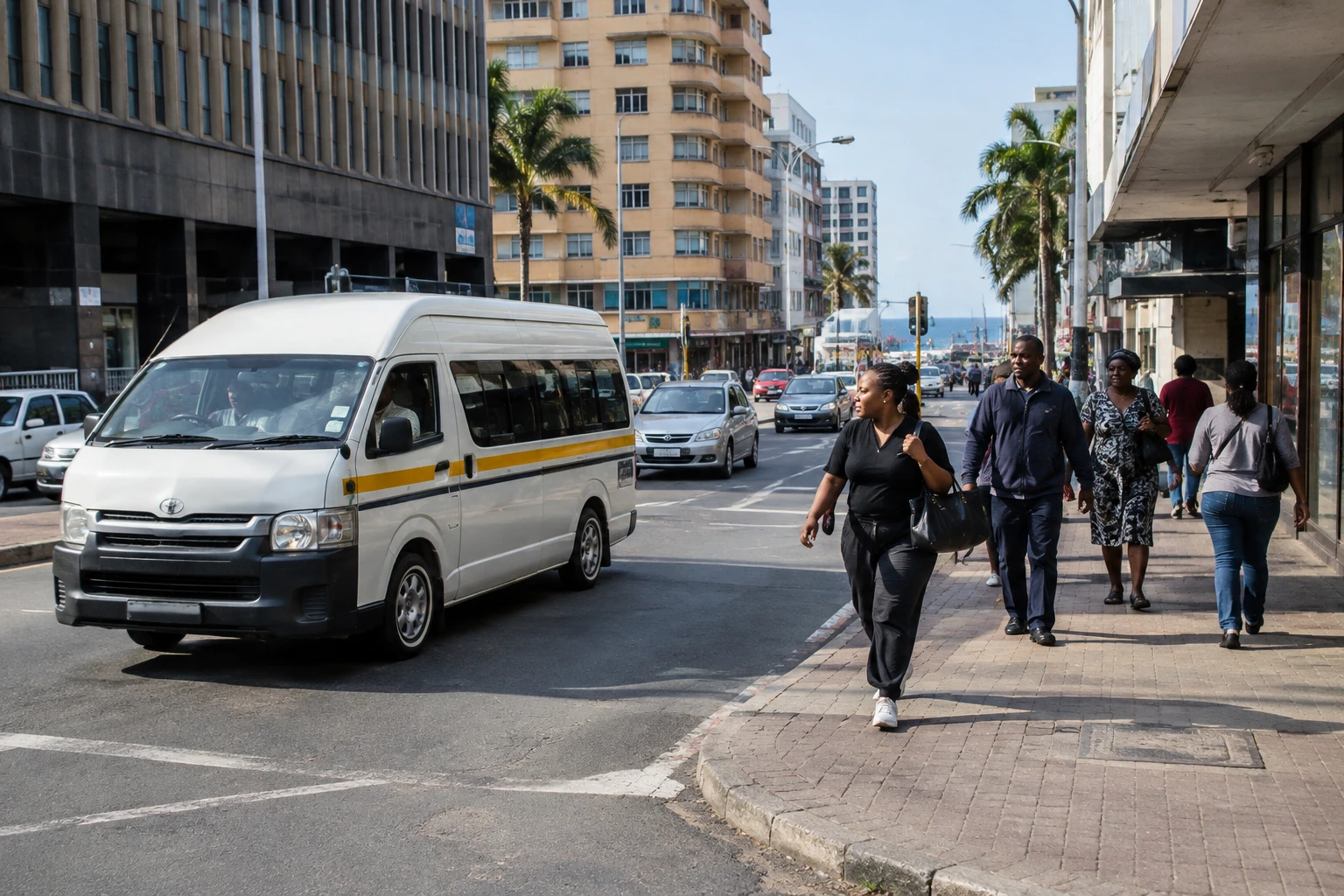
In Durban, the question is not only whether a movement can protest. It is also about protecting residents and businesses without depriving organisers of their right to assemble. Just days before South Africa’s local elections, the KwaZulu-Natal High Court has set provisional limits on March and March marches.
Suspension during the election period
On 30 October 2026, Judge Peter Olsen issued an interim order in response to an application brought by the Ministry of Police and the province’s police authorities. He did not impose a lasting ban on the protests. He ordered them suspended until 6 November, the day after the 4 November local elections. The marches may resume from 7 November, subject to conditions.
When gatherings are permitted again, they must take place between 9am and 3pm, along designated routes. Weapons, sticks, concealed faces, violence, intimidation, looting and damage to property are prohibited. The parties must return to court on 18 January 2027 to consider the next steps in the proceedings. These measures remain provisional: the judge has not found March and March or its leaders responsible for the alleged acts.
Police had sought a longer suspension, citing the risk of violence and security requirements during the election. The authorities referred in particular to a threat against Durban’s refugee reception centre. The movement’s leader, Jacinta Ngobese-Zuma, rejected the suggestion that her organisation was responsible for acts committed by other people. The allegations must be examined with both sides heard before any final decision is made.
The right to protest versus security requirements
The decision comes amid a tense period in Durban, a major port city in KwaZulu-Natal. Immigration-related gatherings have been marked by reports of violence and damage to property in the city. Their scale and responsibility for them should not be conflated with the allegations still being debated before the court.
President Cyril Ramaphosa has authorised the deployment of 510 members of the South African National Defence Force to support the police in the province. According to the presidency, the operation runs from 9 October to 30 November 2026. The soldiers are to support the maintenance of public order, while the police retain frontline responsibility. The reinforcement comes as the authorities say they want to prevent further unrest and secure the electoral process.
The High Court has opted for regulation rather than a total ban. This choice balances two principles: freedom of assembly and the duty to protect the public. It also underscores that restrictions must be precise and limited, particularly when they affect political mobilisation. The interim order does not, however, determine the substance of the allegations or the question of each participant’s responsibility.
Immigration at the centre of the local campaign
The 4 November local elections are for local councils, which have a direct influence on the management of services and public spaces. In Durban, as elsewhere in South Africa, immigration features in debates about jobs, security, access to services and the enforcement of migration rules. These issues cannot be reduced to the slogans of protest groups: they also concern public authorities, businesses, associations and foreign nationals who live or work in the country.
March and March has organised protests against irregular immigration for several months. Its leaders say they are defending the interests of South Africans and reject any automatic association between their gatherings and violence. The authorities, for their part, asked the court to limit the marches to prevent unrest and to deploy law-enforcement personnel around the election. These positions should be reported as such, without presenting as established allegations that the courts have not yet ruled on.
For shopkeepers and residents in central Durban, the issue is immediate: being able to get around, work and access services without fearing clashes or forced closures. For foreign nationals, tensions may also heighten feelings of insecurity. The court restrictions therefore protect everyday activities, but their implementation must ensure that security measures do not become a de facto ban on all collective expression.
A decision being watched beyond KwaZulu-Natal
The events are testing South Africa’s institutions at local level: the court defines the legal framework, the police must enforce it, and the electoral commission organises the vote. The central government, based in Pretoria, has for its part sent military reinforcements to the province. This division of responsibilities matters in a country where political and social tensions can quickly spill beyond a single municipality.
The issue also concerns southern Africa. The Southern African Development Community (SADC) brings the countries of the region together around cooperation and stability. Cross-border movement is a social and economic reality there; responses to irregular immigration can therefore affect relations between states and communities living on either side of borders. But the ruling in Durban remains a national judicial measure: it does not constitute a regional migration policy.
The next steps are clearly dated. South Africans vote on 4 November. The protests may resume only from 7 November, under the conditions set by the court. The case will return before the judge on 18 January 2027. Until then, the way the authorities enforce the order and the organisers comply with it will show whether these restrictions reduce risks without extinguishing the right to protest.



