
 Algeria
 Egypt
 Libya
 Morocco
 Sudan
 Tunisia
 Benin
 Burkina Faso
 Cabo Verde
 Côte d'Ivoire
 Ghana
 Guinea
 Guinea-Bissau
 Liberia
 Mali
 Mauritania
 Niger
 Nigeria
 Senegal
 Sierra Leone
 The Gambia
 Togo
 Cameroon
 Central African Republic
 Chad
 DR Congo
 Equatorial Guinea
 Gabon
 Republic of the Congo
 São Tomé and Príncipe
 Burundi
 Comoros
 Djibouti
 Eritrea
 Ethiopia
 Kenya
 Madagascar
 Malawi
 Mauritius
 Mozambique
 Rwanda
 Seychelles
 Somalia
 South Sudan
 Tanzania
 Uganda
 Angola
 Botswana
 Eswatini
 Lesotho
 Namibia
 Zambia
 Zimbabwe
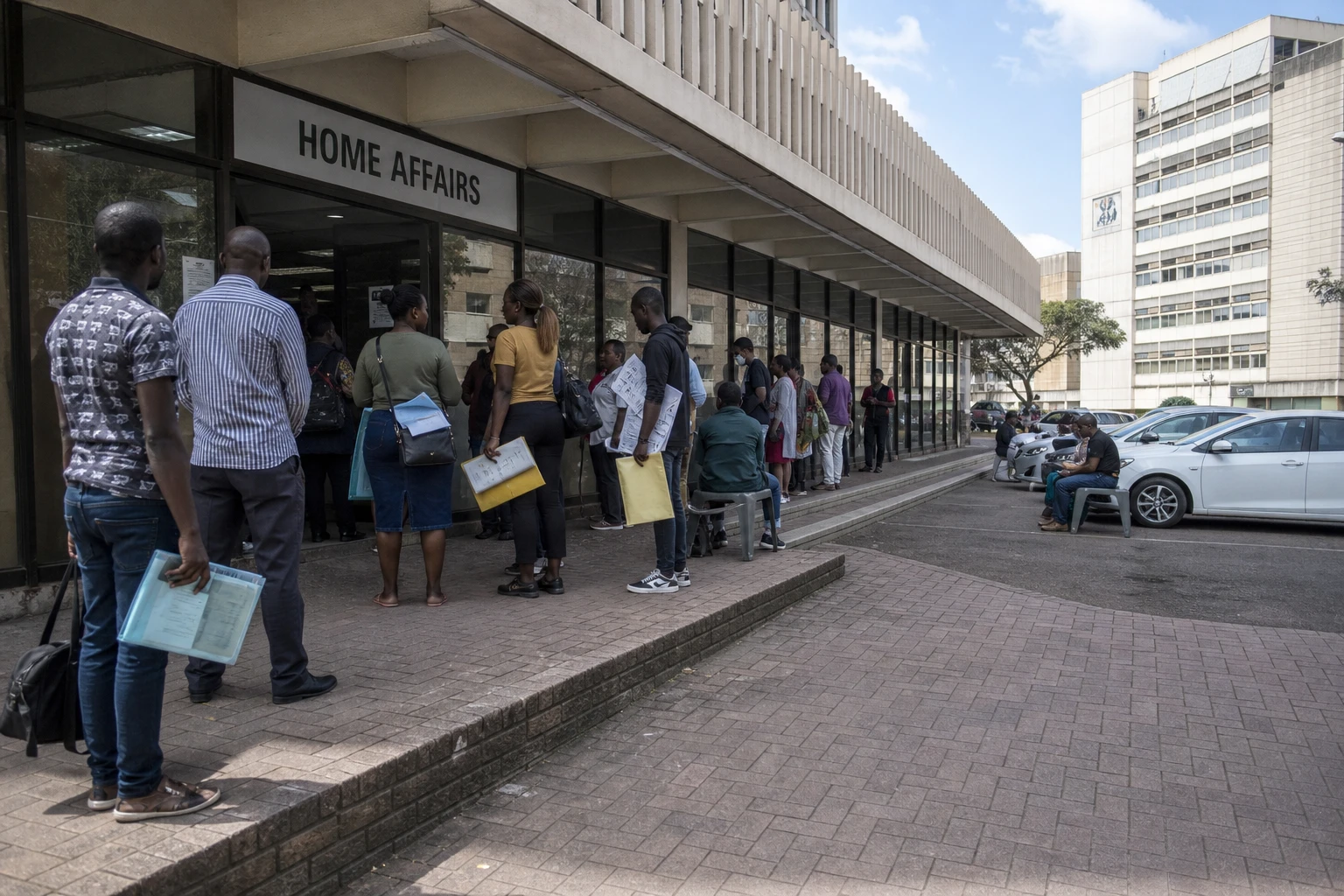
In Durban, anger against foreigners collided with reality
In the port city of Durban, a march against irregular migration served as a reminder of a truth that is often overlooked: when social tensions focus on the most visible people, it is families, workers and asylum seekers who are first exposed. In South Africa, the migration debate is now playing out in the open, amid pavements, makeshift camps and police interventions.
The country has no shortage of laws or institutions to regulate the entry, stay and protection of foreign nationals. The Department of Home Affairs, the South African Police Service and asylum structures have clearly defined responsibilities. But the pressure keeps shifting towards working-class neighbourhoods, city centres and administrative queues. In Durban, a major city in KwaZulu-Natal, the issue therefore goes beyond paperwork alone. It also concerns public order, access to shelter and trust between authorities and communities.
What happened in the port city
On Thursday, a protest against undocumented migrants in Durban turned violent. According to the South African Police Service, about 100 people took part in an operation described by its organisers as a “clean-up campaign” targeting a camp set up in front of a public building. The site has housed several hundred foreign nationals, mostly from the Democratic Republic of the Congo, for 13 weeks.
The clashes left people injured. A Congolese community leader said that five Congolese nationals, including two children, had been hurt. The police, for their part, said a foreign national had been arrested after a stone thrown during the melee hit a police officer. Police used stun grenades to disperse the crowd. Local witnesses also said that demonstrators armed with sticks had tried to approach the camp before police intervened.
This point matters. The people at the site do not present themselves as organised illegal occupants, but as people seeking protection. That distinction changes everything. Under South African law, the difference between irregular migration, an asylum application and refugee status is not a technical detail. It determines access to shelter, a procedure and protection from removal.
A crisis extending beyond Durban
Durban did not fall into this crisis by chance. For several months, the city has been one of the main focal points for anti-migrant mobilisation in South Africa. At the end of May, local authorities had already had to evacuate several hundred people staying at a church centre, then take them to a government site for administrative checks. In early June, the municipality again called for foreign nationals living in the city to be moved to specialised reception centres.
The South African government, for its part, has put in place a co-ordinated response. An inter-ministerial committee on migration stressed the need for the situation to be managed “lawfully, in a co-ordinated manner and in accordance with the Constitution”. It also acknowledged that scenes in Durban, Sherwood and other parts of KwaZulu-Natal had created a humanitarian emergency. This official assessment points to a dual challenge: maintaining order while ensuring that the streets do not replace the administration.
The problem is not limited to a clash between “residents” and “foreigners”. In several neighbourhoods, anger over unemployment, rents, insecurity and poor public services is directed at visible foreigners, who are often poor themselves. Civil society organisations and local actors warn that this shift fuels stigma without addressing the root causes: pressure on the informal economy, difficulties accessing housing and the strain on some government departments.
What this says about South Africa and beyond
Migration in South Africa has a historical dimension. The country has long attracted workers and refugees from the region, particularly from southern Africa and the Great Lakes. This reality is part of a long-standing pattern of regional movement within the Southern African Development Community, SADC. In other words, this issue is not unique to South Africa, but reflects a regional balance of forces in which the economy, security and human mobility are intertwined.
Across the continent, the incident in Durban also sends a political signal. On the one hand, it highlights the fragility of protection systems when makeshift camps become targets. On the other, it shows that African states are increasingly forced to weigh border controls, fundamental rights and public pressure against one another. In this context, returns organised by some neighbouring countries, verification operations and announcements about maintaining public order are all signs of migration governance that remains under strain.
The next point to watch is clear: whether the authorities in Pretoria can prevent local mobilisation from turning into a chain of violence. The coming weeks will show whether the response remains administrative and police-led, or whether it can also ease the social pressure driving these flare-ups. In Durban, as elsewhere in southern Africa, stability will depend less on slogans than on the state’s ability to enforce the law without abandoning the most vulnerable.



