
 Algeria
 Egypt
 Libya
 Morocco
 Sudan
 Tunisia
 Benin
 Burkina Faso
 Cabo Verde
 Côte d'Ivoire
 Ghana
 Guinea
 Guinea-Bissau
 Liberia
 Mali
 Mauritania
 Niger
 Nigeria
 Senegal
 Sierra Leone
 The Gambia
 Togo
 Cameroon
 Central African Republic
 Chad
 Equatorial Guinea
 Gabon
 Republic of the Congo
 São Tomé and Príncipe
 Burundi
 Comoros
 Djibouti
 Eritrea
 Ethiopia
 Kenya
 Madagascar
 Malawi
 Mauritius
 Mozambique
 Rwanda
 Seychelles
 Somalia
 South Sudan
 Tanzania
 Uganda
 Angola
 Botswana
 Eswatini
 Lesotho
 Namibia
 South Africa
 Zambia
 Zimbabwe
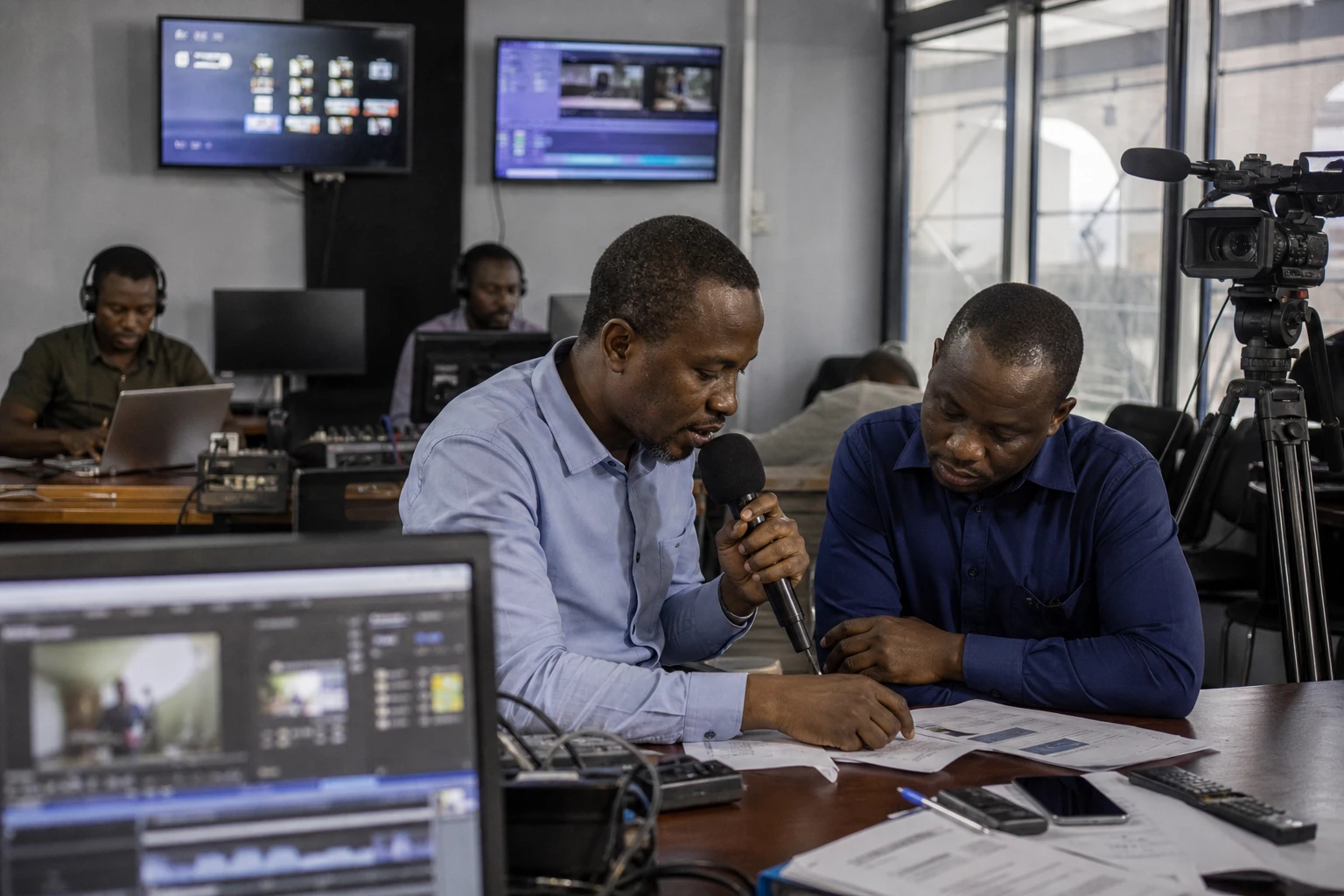
In Kinshasa, the constitutional debate has moved from Parliament to the streets
In the Democratic Republic of the Congo, the controversy over the referendum law is no longer just a matter for lawyers. It now affects political stability, trust in institutions and perceptions of power in Kinshasa, where every word about the Constitution is scrutinised as a signal.
At the heart of the tension, the opposition believes that a possible referendum could provide a route to dismantling the safeguards governing the number of presidential terms. The government, for its part, points to the legal procedure and the Constitutional Court’s review, sought before any promulgation. The debate is taking place in a country where the 2006 Constitution, revised in 2011, protects so-called unalterable provisions, including the length and number of presidential terms. Congolese constitutional text
An institutional process laden with precedent
DR Congo is no neutral ground for this kind of debate. Memories of major constitutional revisions, incomplete political transitions and disputed elections remain part of the collective memory. In this context, the Constitutional Court is not a secondary player. Under Article 160, it reviews the constitutionality of laws before their promulgation when the president refers them to the court. The legal framework is therefore not unclear. It is its political interpretation that is divisive. 2011 constitutional revision
This process is also unfolding amid a tense security and regional climate. In the east of the country, armed crises are undermining the institutional agenda. At regional level, DR Congo operates within several co-operation frameworks, notably the East African Community and SADC, which are closely monitoring the country’s stability because of its direct impact on the balance of power in Central Africa and the Great Lakes region.
What the political calendar says
The Article 64 Coalition, known as C64, was launched in Kinshasa on 19 May 2026 by several opposition figures to oppose constitutional change and call for the withdrawal of the referendum bill. Since then, the platform has hardened its stance. It has set a 15 August deadline for the convening of an inclusive national dialogue and warned that it would resume peaceful civic action if there were no progress by then. Launch of C64 in Kinshasa C64’s position reported by Radio Okapi
On 15 June, the National Assembly and Senate definitively adopted the law setting out the conditions for organising a referendum, according to several Congolese and international media outlets. President Félix Tshisekedi then referred it to the Constitutional Court before any promulgation, citing the requirement for prior constitutional review. This decision reignited opposition accusations of institutional overreach. Final adoption of the referendum law Referral to the Constitutional Court
The controversy is less about a single piece of legislation than the political implications of a possible revision. Article 220 of the Constitution, among other things, safeguards the number and length of presidential terms. Opponents fear that if a new constitution were adopted, it could reset the rules of the game, theoretically making a new candidacy by Félix Tshisekedi possible. This interpretation lies at the heart of the opposition’s criticism and has been echoed by several international media outlets. Analysis of the risk of a third term
A balance of power that goes beyond Tshisekedi
For the government, the challenge is to retain the institutional initiative and present the debate as an exercise in constitutional sovereignty. For the opposition, the stakes are broader: to prevent a technical reform from becoming a tool for extending the government’s hold on power. In practice, the battle is also being fought in the streets and in Parliament, and over the legitimacy of the Constitutional Court, which critics see as an arbiter already exposed to political pressure.
The tension has a direct impact on the urban population, particularly in Kinshasa, where protests, sit-ins and marches can quickly bring economic activity to a standstill. It also affects rural areas, often far from institutional decision-making but highly sensitive to political uncertainty, the cost of living and deteriorating public services. When the constitutional timetable becomes fraught, the entire chain of trust is weakened, from public administrations to markets, from political parties to churches, and from poor neighbourhoods to the provinces.
Events in June showed that the issue was not merely legal. Several sources reported clashes during an opposition mobilisation in Kinshasa, and varying casualty figures circulated. This is a reminder of a simple rule in DR Congo: until a figure has been corroborated, it must remain attributed. Caution is all the more necessary as the country has only just emerged from other periods of political and electoral tension. Clashes in Kinshasa during a protest
What Central Africa is watching now
The implications of the issue extend beyond Congo’s borders. In Central Africa and the Great Lakes region, DR Congo remains a demographic, security and diplomatic pivot. When its constitutional timetable comes under strain, the entire region anticipates repercussions for security co-operation, cross-border trade, markets and the country’s place in the African Union’s balance of power.
What happens next will depend on three political milestones: the Constitutional Court’s decision, the possible promulgation of the law and, above all, whether the government can open a dialogue that its opponents consider credible. 15 August has become a marker. Until then, the Congolese debate is no longer just about a hypothetical referendum. It raises questions about how a state protects its shared rules when political competition reaches its peak.



