Algeria
 Egypt
 Libya
 Morocco
 Sudan
 Tunisia
 Benin
 Burkina Faso
 Cabo Verde
 Côte d'Ivoire
 Ghana
 Guinea
 Guinea-Bissau
 Liberia
 Mali
 Mauritania
 Niger
 Nigeria
 Senegal
 Sierra Leone
 The Gambia
 Togo
 Cameroon
 Central African Republic
 Chad
 Equatorial Guinea
 Gabon
 Republic of the Congo
 São Tomé and Príncipe
 Burundi
 Comoros
 Djibouti
 Eritrea
 Ethiopia
 Kenya
 Madagascar
 Malawi
 Mauritius
 Mozambique
 Rwanda
 Seychelles
 Somalia
 South Sudan
 Tanzania
 Uganda
 Angola
 Botswana
 Eswatini
 Lesotho
 Namibia
 South Africa
 Zambia
 Zimbabwe
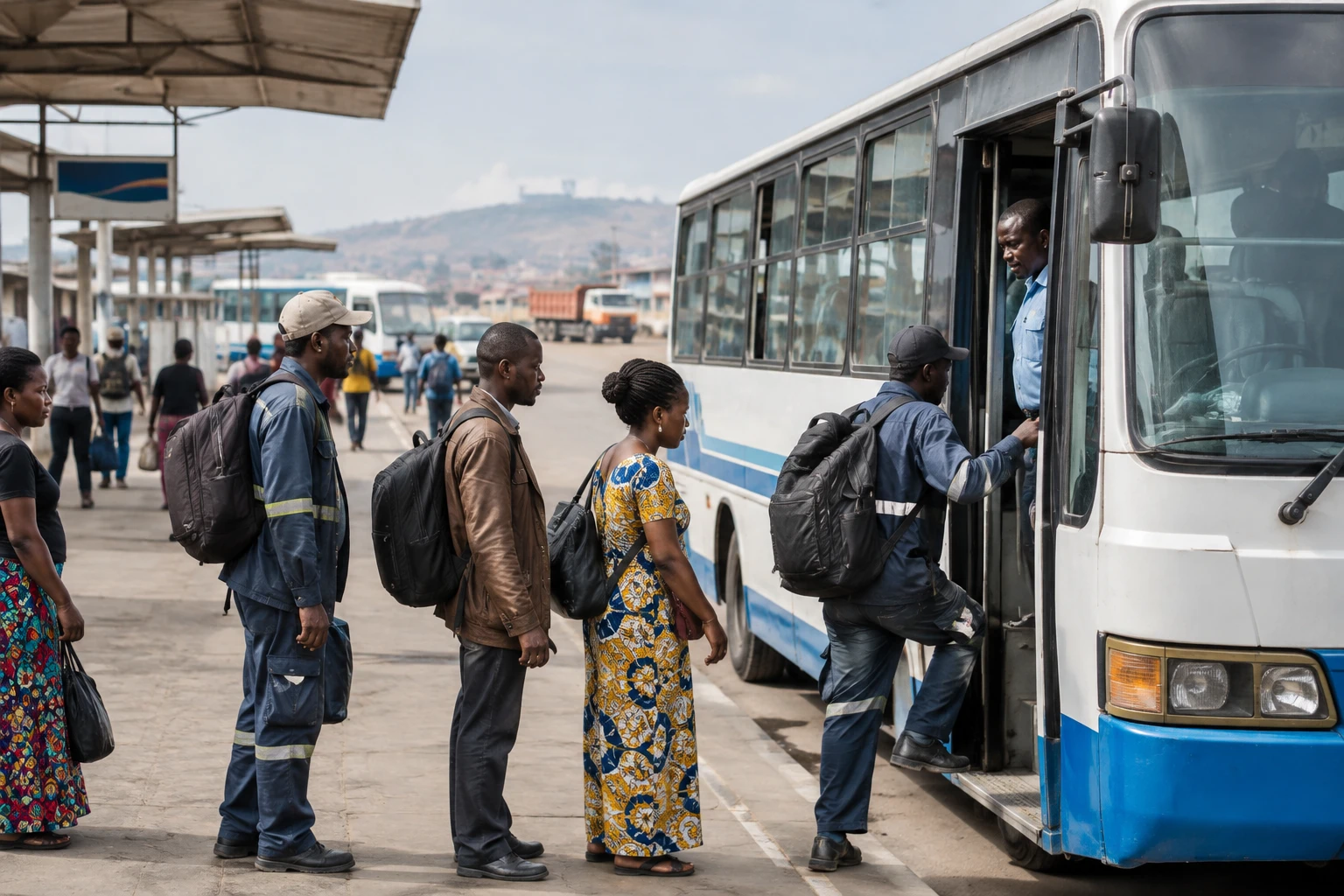
In Haut-Katanga and Lualaba, mining fuels local economies and public revenues. But one question now extends beyond the borders of the Democratic Republic of the Congo: who controls the income generated by these resources, and where does it go next?
Investigation opened after Congolese complaint
On Wednesday 14 October 2026, Belgian federal police carried out searches at several addresses in Brussels and in the provinces of Flemish Brabant and Walloon Brabant. The federal prosecutor’s office confirmed the operations as part of a money-laundering investigation opened after a complaint filed in 2025 by non-governmental organisations.
The prosecutor’s office did not identify the people targeted. Lawyers representing the complainants say that people close to President Félix Tshisekedi and his associates are among those concerned. The head of state is not reported to have been targeted by the searches. His spokesperson declined to comment, according to information available.
The complaint, filed in Belgium on 8 July 2025, comes from organisations in the Katanga region and four former executives of Gécamines, the Congolese state-owned mining company. The complainants allege the misappropriation of mining resources and the laundering of funds. They maintain that revenues from exploitation were diverted to the detriment of local communities and the Congolese state.
These allegations remain to be established. A search is an investigative measure, not an indictment or conviction. The Belgian prosecutor’s office has confirmed neither the identities nor any possible links between the people whose premises were searched and the presidency. The claims made by the complainants must therefore be distinguished from facts established by the courts.
From Katanga to Brussels: the alleged path of the funds
The Belgian proceedings are explained in part by the presence, among those named in the complaint, of Belgian nationals living in Belgium. Belgian authorities are investigating alleged money laundering within their jurisdiction. Lawyers’ statements do not prejudge the findings of the investigation.
The NGOs behind the complaint are grouped under DESC/RDC, a Congolese platform defending economic, social and cultural rights. They are concerned with the management of mining resources in the south-east of the country, particularly mining tailings: materials left after the initial extraction that may still contain valuable metals.
The case therefore touches on a broader economic chain. Extraction takes place in the DRC’s mining provinces; contracts, companies and financial flows can involve several countries. The investigation will have to determine whether transactions took place, who organised them and whether they breached the law. At this stage, the Belgian courts have made no public findings on these points.
Strategic sector, unevenly distributed benefits
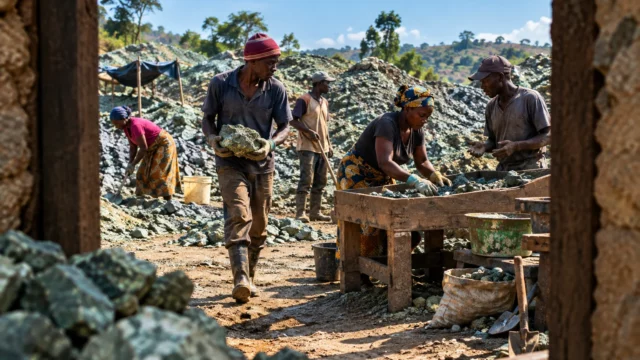
Copper and cobalt place the DRC at the heart of global supply chains, particularly those linked to electrical infrastructure and batteries. Formal activity coexists with artisanal mining, which sustains many households. The United Nations country report describes a multi-tiered sector in which large operators, artisanal miners and local economies are closely linked.
This diversity matters in understanding what is at stake. Revenues paid to the state alone do not show what reaches producing provinces, workers, subcontractors or nearby communities. In Lubumbashi, Kolwezi and rural mining areas, access to jobs, services and compensation can vary greatly depending on the sites and actors involved.
The Extractive Industries Transparency Initiative (EITI), a mechanism that publishes and reconciles data on sector payments and revenues, reports mining revenues of $5.61bn for the DRC in 2023. This figure gives a sense of the sums involved; it is not evidence concerning the allegations in the complaint. Oversight of contracts, beneficial owners and social obligations therefore remains crucial.
For Kinshasa, the case could also affect the credibility of mining governance and investor confidence. For communities in Haut-Katanga and Lualaba, the immediate question is different: whether resources extracted from their land genuinely contribute to public revenues and local benefits. Transparency and legal certainty matter to the state, companies and residents alike.
Regional and continental implications
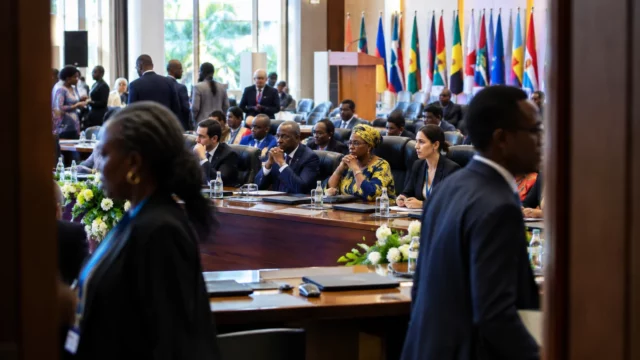
The DRC is a member of the Southern African Development Community (SADC), a framework for economic and political co-operation in southern Africa, and the Economic Community of Central African States (ECCAS). Mining supply chains do not stop at the borders of these organisations, however: they link production sites, export corridors, financial centres and international buyers.
The case is a reminder that resource governance is also a pan-African issue. Producer countries are seeking to expand local processing and increase the benefits they derive from their minerals; their efforts also depend on clear rules and credible traceability. Judicial co-operation between states can help examine cross-border flows, without replacing Congolese oversight or prejudging the allegations.
The next stage will be the investigation: identifying transactions, gathering evidence and determining whether charges can be brought. For the DRC, the stakes extend beyond the political circle named by the complainants. They concern the ability of institutions to shed light on mining revenues while protecting the presumption of innocence and the rights of everyone involved.