
 Algeria
 Egypt
 Libya
 Morocco
 Sudan
 Tunisia
 Benin
 Burkina Faso
 Cabo Verde
 Côte d'Ivoire
 Ghana
 Guinea
 Guinea-Bissau
 Liberia
 Mali
 Mauritania
 Niger
 Nigeria
 Senegal
 Sierra Leone
 The Gambia
 Togo
 Cameroon
 Central African Republic
 Chad
 Equatorial Guinea
 Gabon
 Republic of the Congo
 São Tomé and Príncipe
 Burundi
 Comoros
 Djibouti
 Eritrea
 Ethiopia
 Kenya
 Madagascar
 Malawi
 Mauritius
 Mozambique
 Rwanda
 Seychelles
 Somalia
 South Sudan
 Tanzania
 Uganda
 Angola
 Botswana
 Eswatini
 Lesotho
 Namibia
 South Africa
 Zambia
 Zimbabwe
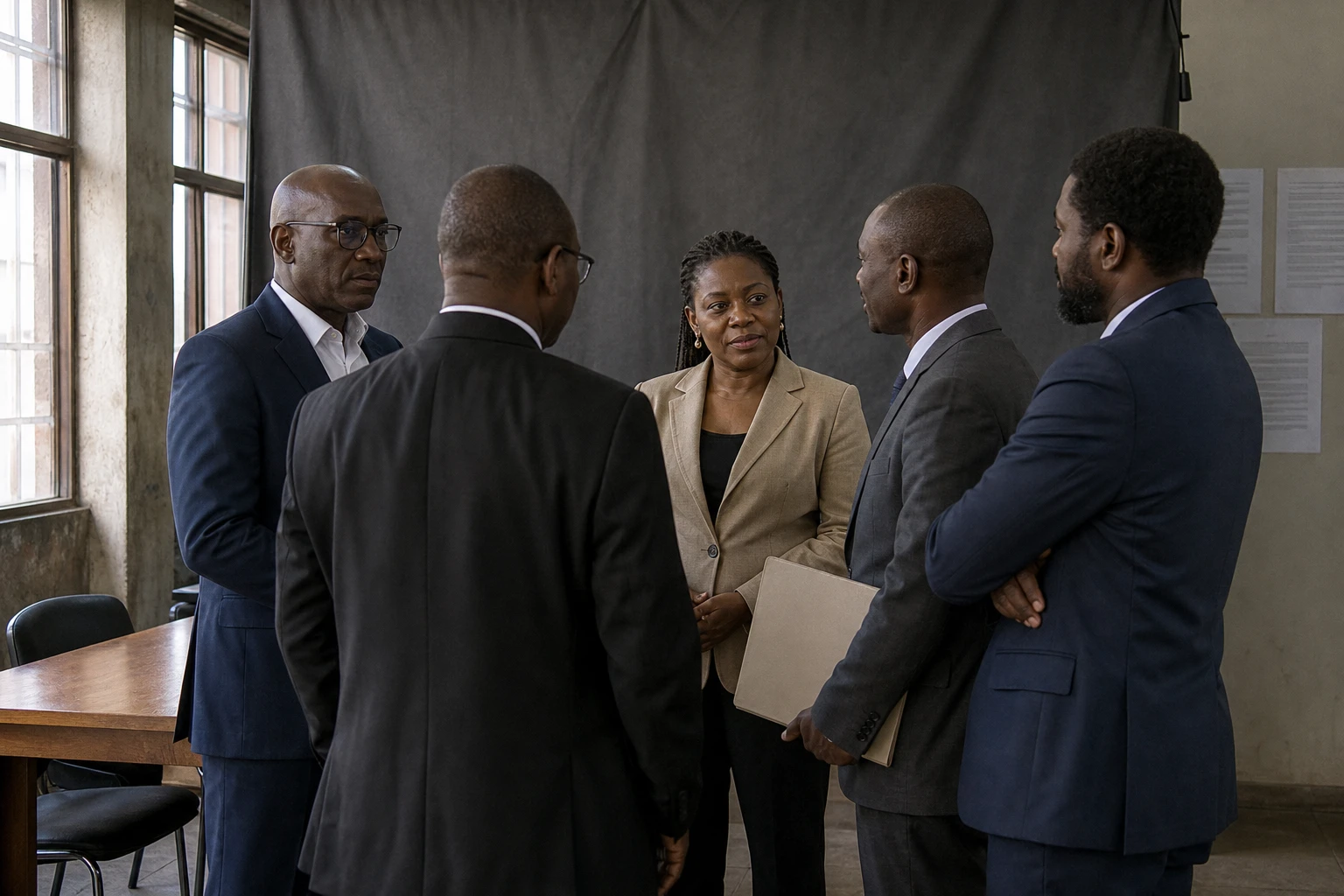
In Kinshasa, justice for crimes committed in the east of the Democratic Republic of the Congo is back at the centre of debate. The “Six Million Voices for Justice in Congo” campaign aims to turn the memory of victims into political and judicial pressure.
The figure of six million is not an official death toll. It is used as a symbol of the scale of human losses linked to the conflicts that have ravaged the east of the country for more than three decades. Human rights organisations nevertheless point out that no overall estimate currently makes it possible to establish a definitive count.
A campaign combining popular mobilisation and institutional pressure
Amnesty International announced the launch of the initiative on 19 June 2026. It is calling on six million people, in the Democratic Republic of the Congo and elsewhere, to sign a petition in support of judicial mechanisms capable of prosecuting those suspected of international crimes.
The mobilisation is not limited to the internet. It is also aimed at the Congolese authorities, diplomats, United Nations representatives and judicial officials. In Kinshasa, a public event is planned for 1 October 2026 at the Limete Interchange, including a candlelight vigil organised by human rights defenders.
The date was not chosen at random. 1 October marks the publication, in 2010, of the United Nations Mapping Project report. The document catalogues the most serious human rights and international humanitarian law violations committed in the DRC between March 1993 and June 2003.
The report does not single out one community or one side. It documents crimes attributed to different Congolese and foreign armed actors. It also highlights the limitations of the national justice system and recommends examining a judicial mechanism combining Congolese and international expertise.
The long delay in transitional justice
Transitional justice refers to the measures put in place after a period of mass violence to establish the truth, try those responsible, provide reparations to victims and prevent the crimes from being repeated. In the DRC, this process remains fragmented.
Several proposals have been put forward over the years. One envisages a specialised court tasked with investigating the crimes documented by the Mapping Report. Another proposes mixed chambers within Congolese courts of appeal. These chambers would bring together national judges and, depending on the model adopted, international expertise.
Congolese human rights organisations have long called for these proposals to move beyond announcements. The Congolese Association for Access to Justice has, in particular, called for the draft legislation on mixed specialised chambers within Congolese courts to be revived. ACAJ’s position on mixed chambers illustrates the persistence of this advocacy.
The debate, however, concerns the form that future justice should take. A largely internationalised court could strengthen the credibility of trials. It could also raise questions about judicial sovereignty and create a parallel system, better funded than ordinary courts. Conversely, an exclusively national response could lack resources, witness protection and independence.
Why impunity remains a security issue
In the east of the DRC, the absence of prosecutions for the most serious crimes is not only a matter of the past. It affects violence today. When those suspected of crimes remain beyond the reach of the courts for a long time, victims have fewer guarantees and armed groups may see justice as a distant threat.
This situation affects communities in different ways. In rural areas hit by clashes, access to a lawyer, a court or a protection service remains difficult. In Kinshasa, the debate plays out more in institutions and the media. Yet between these two settings, victims are waiting for the same responses: truth, recognition of the harm suffered and reparations.
Women who have survived conflict-related sexual violence are particularly affected. Judicial proceedings can expose them to stigma, reprisals or loss of income. A credible justice policy must therefore provide for witness protection, medical and psychological support, and appropriate reparations.
Justice will not replace peace negotiations. It can, however, prevent political agreements from erasing the most serious crimes. It can also distinguish individual responsibility rather than assigning blame to entire communities.
An issue that extends beyond the DRC’s borders
The issue concerns the entire Great Lakes region. Depending on the period, conflicts in the east of the DRC have involved local armed groups, national forces and actors from neighbouring countries. Regional co-operation is therefore essential to gather evidence, protect witnesses and prosecute those suspected of responsibility.
The DRC is a member of the Southern African Development Community, SADC, which has deployed security initiatives in the east of the country. It also maintains ties with the East African Community, EAC, several of whose member states have been directly involved in regional military and diplomatic dynamics. These frameworks can facilitate dialogue, but they cannot take the place of judicial investigations.
The Mapping Report remains the main international documentary record of crimes committed between 1993 and 2003. Its recommendations on transitional justice mechanisms stress that judicial reform must take account of the actual capacity of Congolese courts and the protection of victims.
The next test will be political. It will be whether the Congolese authorities can make transitional justice part of a coherent strategy, with a timetable, a budget and guarantees of independence. The “six million voices” campaign aims precisely to prevent the memory of the crimes from being confined to reports and ceremonies.



