Algeria
 Egypt
 Libya
 Morocco
 Sudan
 Tunisia
 Benin
 Burkina Faso
 Cabo Verde
 Côte d'Ivoire
 Ghana
 Guinea
 Guinea-Bissau
 Liberia
 Mali
 Mauritania
 Niger
 Nigeria
 Senegal
 Sierra Leone
 The Gambia
 Togo
 Cameroon
 Central African Republic
 Chad
 Equatorial Guinea
 Gabon
 Republic of the Congo
 São Tomé and Príncipe
 Burundi
 Comoros
 Djibouti
 Eritrea
 Ethiopia
 Kenya
 Madagascar
 Malawi
 Mauritius
 Mozambique
 Rwanda
 Seychelles
 Somalia
 South Sudan
 Tanzania
 Uganda
 Angola
 Botswana
 Eswatini
 Lesotho
 Namibia
 South Africa
 Zambia
 Zimbabwe
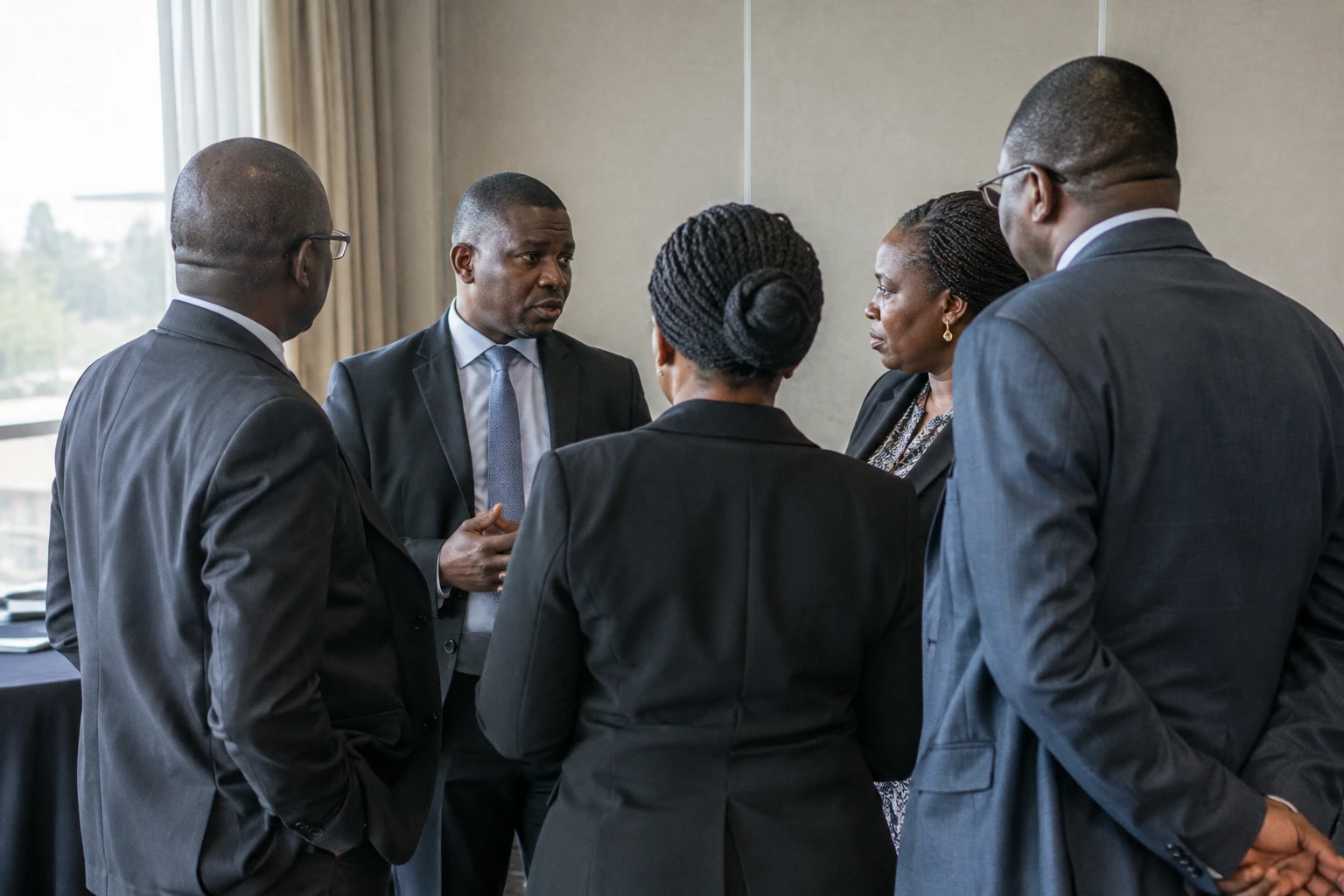
A judicial investigation in Belgium has brought a sensitive question back to the fore in the Democratic Republic of the Congo: who controls the mineral wealth in the south of the country, and who really benefits from it? Raids announced on Wednesday 14 October 2026 mark a new stage in a case in which the allegations remain to be established.
Investigation opened after complaint filed in 2025
The Belgian federal prosecutor’s office said several raids had been carried out simultaneously in Brussels and in municipalities in the provinces of Flemish Brabant and Walloon Brabant. According to reports, the operations form part of a money-laundering investigation opened after a complaint was filed in July 2025. The prosecutor’s office has not made public the names of those targeted.
People close to Congolese President Félix Tshisekedi are reportedly among those concerned. Lawyer Bernard Maingain, who took part in filing the complaint, told Actualité.cd that he was bound by the secrecy of the investigation. At this stage, the raids amount neither to an indictment nor to a finding of guilt.
The complaint, filed on 8 July 2025, reportedly also referred to suspicions of corruption, embezzlement and financial offences. It was reportedly brought on behalf of Congolese organisations and former officials of Gécamines, the Democratic Republic of the Congo’s state-owned mining company. Belgian media outlet BRUZZ also reported the filing of the complaint and allegations concerning mining activities in Haut-Katanga and Lualaba.
Katanga’s resources at the heart of the case
The allegations are linked to the exploitation of mining sites in the south-east of the DRC. A report published in April 2025 by the Congolese platform DESC/RDC reportedly implicated several members of the presidential family. The complainants accuse them, in particular, of taking part in illegal mining and operations that allegedly deprived the state of revenue. These allegations must be examined by the courts and are not facts established by a court.
Haut-Katanga and Lualaba are separate provinces, created when the former Katanga province was divided in 2015. Their subsoil hosts major copper and cobalt operations, involving two minerals essential to global industrial supply chains. Gécamines, a Congolese state-owned company, has an important place in the history and governance of the sector.
This wealth does not automatically translate into public revenue, quality jobs or services accessible to residents. Mining contracts, permits, subcontractors and revenue traceability determine who benefits from the activity. The stakes therefore concern not only leaders or companies: they also affect workers, communities near mining sites and state finances.
Belgian proceedings, Congolese stakes
The complaint was brought before the Belgian courts because, according to information published when it was filed, several of the people targeted hold Belgian nationality. This connection enables the Belgian authorities to examine matters within their jurisdiction. It does not mean that the responsibility of the people named has been established, nor that the Belgian investigation replaces Congolese institutions.
The case highlights the transnational dimension of mining governance: activities, financial flows and the people concerned may fall under the jurisdiction of several countries. Judicial co-operation can help examine suspicions of money laundering, but the proceedings will have to establish the facts, responsibilities and any movement of funds. The information available does not yet make it possible to specify what the raids seized or documented.
For people in the mining provinces, the central question remains what tangible benefits they receive. An investigation abroad may advance some aspects of the financial inquiry, but it cannot on its own address local concerns about access to land, working conditions, site monitoring and the redistribution of revenue. These matters also fall within the remit of the Congolese authorities and national oversight mechanisms.
A transparency test to watch across the region
The DRC is a member of the Southern African Development Community (SADC), a regional organisation for economic and political co-operation. The case resonates beyond its borders: several countries in the region are seeking to better regulate the extraction of strategic minerals and secure more local value addition. It is also a reminder that contract transparency and the fight against illicit financial flows are governance issues across the continent.
What happens next will depend on the steps taken in the Belgian investigation, any responses from those concerned and the ability of the Congolese authorities to make the rules for awarding and exploiting concessions verifiable. At this stage, no public information allows us to say that Félix Tshisekedi himself was targeted by the raids. Distinguishing between the facts under investigation, the allegations made by the complainants and the judicial conclusions will be essential to avoid conflating them.