Algeria
 Egypt
 Libya
 Morocco
 Sudan
 Tunisia
 Benin
 Burkina Faso
 Cabo Verde
 Côte d'Ivoire
 Ghana
 Guinea
 Guinea-Bissau
 Liberia
 Mali
 Mauritania
 Niger
 Nigeria
 Senegal
 Sierra Leone
 The Gambia
 Togo
 Cameroon
 Central African Republic
 Chad
 Equatorial Guinea
 Gabon
 Republic of the Congo
 São Tomé and Príncipe
 Burundi
 Comoros
 Djibouti
 Eritrea
 Ethiopia
 Kenya
 Madagascar
 Malawi
 Mauritius
 Mozambique
 Rwanda
 Seychelles
 Somalia
 South Sudan
 Tanzania
 Uganda
 Angola
 Botswana
 Eswatini
 Lesotho
 Namibia
 South Africa
 Zambia
 Zimbabwe
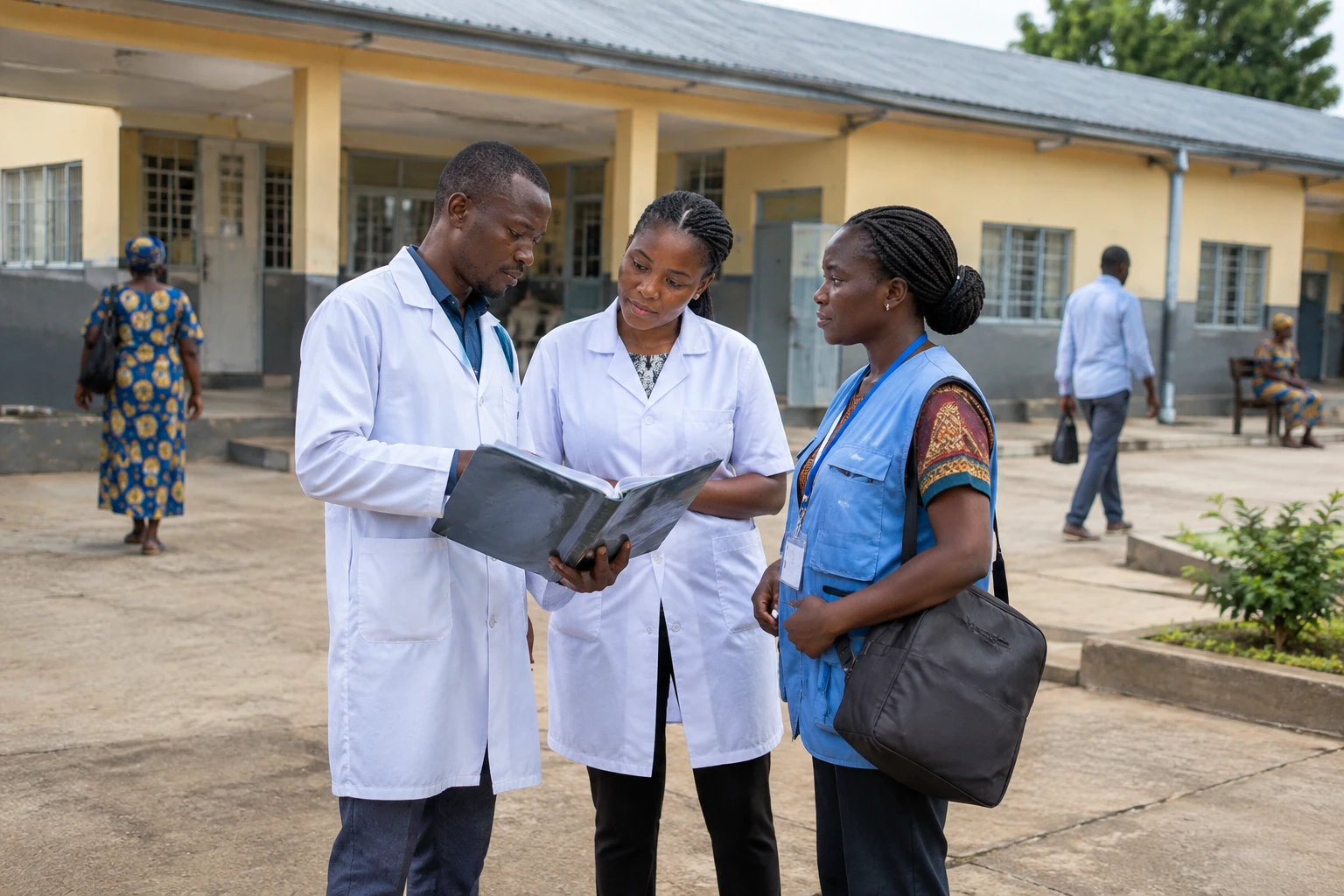
In eastern Democratic Republic of the Congo, the number of cases does not tell the whole story. Deaths outside health centres and difficulties reaching some communities are complicating the monitoring of an outbreak that has already surpassed previous outbreaks in the country.
Figures that also measure the limits of detection
As of 11 October, Congolese health authorities had recorded 9 066 confirmed cases and 4 381 deaths. The toll includes 2 389 recoveries and a case fatality rate of 48.3 %. These figures, published in a health report on Tuesday 13 October, were also reported by several media outlets, including Al Jazeera. However, they may not cover all infections: according to the authorities cited in their reports, confirmed cases may represent only a portion of estimated cases.
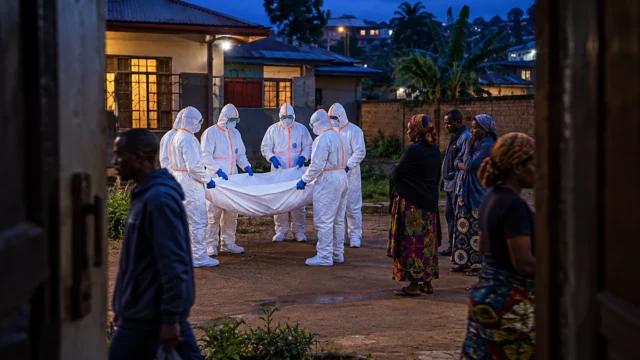
Deaths recorded outside treatment centres are another worrying signal. They may reflect delays in diagnosis or access to care, but can also make it harder to identify people who have been in contact with patients. Official figures therefore remain essential, but on their own do not provide a complete picture of transmission.
The outbreak, declared in May in Ituri province, is caused by the Bundibugyo virus. It is the 17th Ebola outbreak recorded in DR Congo since the virus was identified in 1976, according to the World Health Organization (WHO). It has affected provinces in the north and east of the country. Authorities report that 65 health zones in seven provinces have been affected.
Limited tools for this strain
Bundibugyo is one of the strains of the Ebola virus. It is transmitted mainly through direct contact with the blood or other bodily fluids of an infected person, or with contaminated objects. At this stage, no vaccine or specific treatment is licensed against this strain. The Ervebo vaccine, used during previous outbreaks, targets the Zaire strain and therefore cannot be presented as established protection against Bundibugyo.
The situation contrasts with the 2018-2020 outbreak in eastern DR Congo, caused by the Zaire strain. It killed about 2 300 people out of some 3 500 reported cases. The current outbreak has surpassed that toll. It also stands out for its scale: globally, only the 2014-2016 West African outbreak, which affected Guinea, Liberia and Sierra Leone, recorded more cases.
Medical research is advancing, but trials do not yet amount to a response available on a large scale. The WHO and partners are working to assess vaccine candidates and treatments for Bundibugyo. A clinical trial is expected to produce data on their safety and effectiveness. Until these results are established and the products authorised, care relies on early detection, isolation, supportive care and the prevention of infections.
The response depends on access to communities
In the affected provinces, health teams often have to contend with long distances, insecurity and limited resources. The presence of armed groups in some areas complicates the movement of healthcare workers and surveillance teams. It can also delay sampling, the delivery of equipment and the monitoring of people exposed to the virus.
Trust matters as much as logistics. When residents distrust the authorities or outside responders, they may delay seeking care or refuse certain public health measures. Teams therefore need to explain their interventions with the help of community representatives and local healthcare workers. An effective response is not limited to opening centres: it requires residents to be able to reach them and understand the measures being proposed.
The effects are not the same for everyone. Families close to urban centres are more likely to access a diagnosis quickly. In rural or hard-to-reach areas, travel and contact tracing take more time. Healthcare workers, those responsible for burials and relatives caring for patients are particularly exposed when precautions cannot be applied or understood.
A Congolese challenge, with regional vigilance
For Kinshasa, the outbreak is testing coordination between national health authorities, the provinces and partners deployed on the ground. For affected populations, the immediate issue remains access to safe and rapid care. Data on infections and deaths outside centres, along with the ability to trace contacts, will help determine whether transmission is slowing.
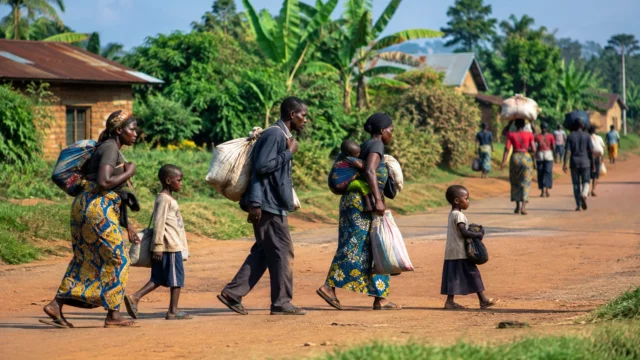
The regional dimension also requires attention. The provinces of eastern DR Congo are connected to cross-border movement routes, particularly towards Uganda. DR Congo belongs to the East African Community (EAC) and the Southern African Development Community (SADC), two regional organisations whose health coordination can facilitate information-sharing and preparedness for alerts. This does not mean the disease has spread to all neighbouring countries: each signal must be verified and attributed to the relevant authorities.
The next decisive indicator will therefore not simply be the crossing of another case threshold. The evolution of deaths, the proportion of infections detected outside healthcare facilities and teams’ ability to reach communities will need to be monitored. These factors will show whether the response is managing to regain control of transmission, in a crisis where the absence of a licensed vaccine against Bundibugyo leaves little scope for medical prevention.
Figures were reported by Associated Press and cross-checked with Al Jazeera. Epidemiological and medical context is based on information from the WHO on the outbreak in DR Congo.