Algeria
 Egypt
 Libya
 Morocco
 Sudan
 Tunisia
 Benin
 Burkina Faso
 Cabo Verde
 Côte d'Ivoire
 Ghana
 Guinea
 Guinea-Bissau
 Liberia
 Mali
 Mauritania
 Niger
 Nigeria
 Senegal
 Sierra Leone
 The Gambia
 Togo
 Cameroon
 Central African Republic
 Chad
 Equatorial Guinea
 Gabon
 Republic of the Congo
 São Tomé and Príncipe
 Burundi
 Comoros
 Djibouti
 Eritrea
 Ethiopia
 Kenya
 Madagascar
 Malawi
 Mauritius
 Mozambique
 Rwanda
 Seychelles
 Somalia
 South Sudan
 Tanzania
 Uganda
 Angola
 Botswana
 Eswatini
 Lesotho
 Namibia
 South Africa
 Zambia
 Zimbabwe
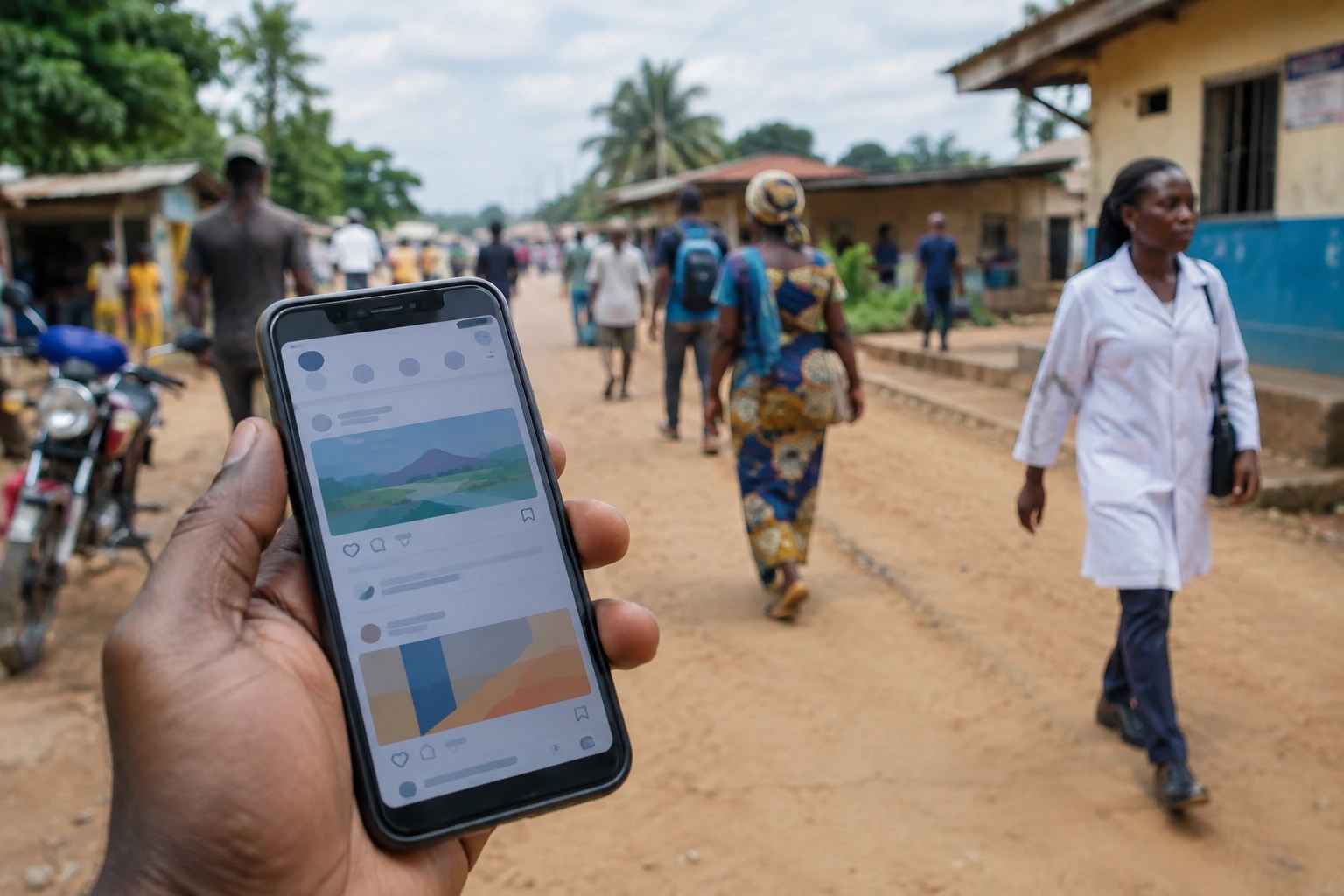
When a health team can no longer respond to an alert without risking an attack, the fight against Ebola loses an essential link: trust and a presence on the ground. In Bafwasende, in Tshopo province, violence directly targeted health workers serving local communities.
A response confronted by fear and violence
On Saturday 24 October 2026, a nurse was killed and another health worker seriously injured as they responded to an Ebola-related alert. The attack took place in Bafwasende. The director-general of the World Health Organization (WHO), Tedros Adhanom Ghebreyesus, reported the tragedy the following day. The precise circumstances and the identity of those responsible have not been publicly established in the information available.
The WHO chief reiterated that medical teams must be able to work safely. Its regional director for Africa, Mohamed Yakub Janabi, also warned that misinformation and fear must not lead to violence. These statements condemn the attack without prejudging who was responsible or their motives.
The scale of the epidemic makes every intervention more urgent. As of 23 October, health authorities had reported 9,816 confirmed cases and 4,757 deaths in the Democratic Republic of the Congo. The figures may change as investigations and updates proceed. This is the epidemic linked to the Bundibugyo virus, a strain distinct from those targeted by some vaccines and treatments used in previous outbreaks.
Tshopo in a crisis extending beyond one province
Tshopo is in the north-east of the Democratic Republic of the Congo. Bafwasende, far from major urban centres, depends on regular access to health teams, medicines and transport. For people in remote areas, delays in detection or in getting care to them can make it harder to receive prompt treatment.
The epidemic has affected several Congolese provinces and crossed borders. The WHO has reported cases in neighbouring countries, while cases associated with travel from the DRC have been reported more widely across the region. This spread gives traveller surveillance and the sharing of health information a regional dimension. It does not mean that all the populations or countries concerned face the same level of risk.
The response relies first and foremost on Congolese institutions: health services, local teams, provincial authorities and laboratories. The WHO and international partners provide support, but cannot replace the ability of national structures to respond on a sustained basis. At continental level, Africa CDC, the African Union’s public health agency, also coordinates information-sharing and preparedness between countries.
Trust is also a public health requirement
A response depends on more than equipment or treatment centres. It requires people to be able to report symptoms, accept screening and co-operate with teams. Rumours, past experiences and distrust of the authorities can discourage these steps. But these factors never justify attacks: rather, they point to the need for clear information delivered by trusted voices.
Material conditions also matter. Remote areas face logistical obstacles and shortages of staff and medical supplies. Frontline health workers therefore bear a particular burden. In urban centres, access to facilities and communications can be more direct; in rural areas, distance complicates evacuations, contact tracing and the continuity of routine care.
For families, Ebola also brings painful constraints around isolation and funerals. Measures intended to limit transmission must be explained and implemented with respect for relatives and local practices, as far as public health requirements allow. An approach that listens to communities can help prevent misunderstandings and maintain dialogue, without downplaying the seriousness of the disease.
Implications for neighbouring countries and African institutions
The death of this health worker is a reminder that protecting teams is an integral part of the epidemic response. Every attack can disrupt follow-up activities and drive people away from health services. However, the precise consequences of the incident for operations in Bafwasende have not been detailed publicly. It would therefore be premature to claim that the entire local response has been suspended.
The situation calls for co-ordinated vigilance between Kinshasa, the provinces concerned and neighbouring countries, without confusing health preparedness with a general closure of borders. Surveillance data, the rapid identification of chains of transmission and support for local teams will be decisive. African public health organisations have a central role to play in this co-ordination, alongside the Congolese authorities and the WHO.
In the short term, the next official updates will help track changes in cases and deaths, as well as the geographical spread of the epidemic. For Bafwasende, the immediate challenge is twofold: to ensure health workers’ safety and preserve a relationship of trust with the population. Without these two conditions, even available medical resources may fail to reach those who need them.