
 Algeria
 Egypt
 Libya
 Morocco
 Sudan
 Tunisia
 Benin
 Burkina Faso
 Cabo Verde
 Côte d'Ivoire
 Ghana
 Guinea
 Guinea-Bissau
 Liberia
 Mali
 Mauritania
 Niger
 Nigeria
 Senegal
 Sierra Leone
 The Gambia
 Togo
 Cameroon
 Central African Republic
 Chad
 Equatorial Guinea
 Gabon
 Republic of the Congo
 São Tomé and Príncipe
 Burundi
 Comoros
 Djibouti
 Eritrea
 Ethiopia
 Kenya
 Madagascar
 Malawi
 Mauritius
 Mozambique
 Rwanda
 Seychelles
 Somalia
 South Sudan
 Tanzania
 Uganda
 Angola
 Botswana
 Eswatini
 Lesotho
 Namibia
 South Africa
 Zambia
 Zimbabwe
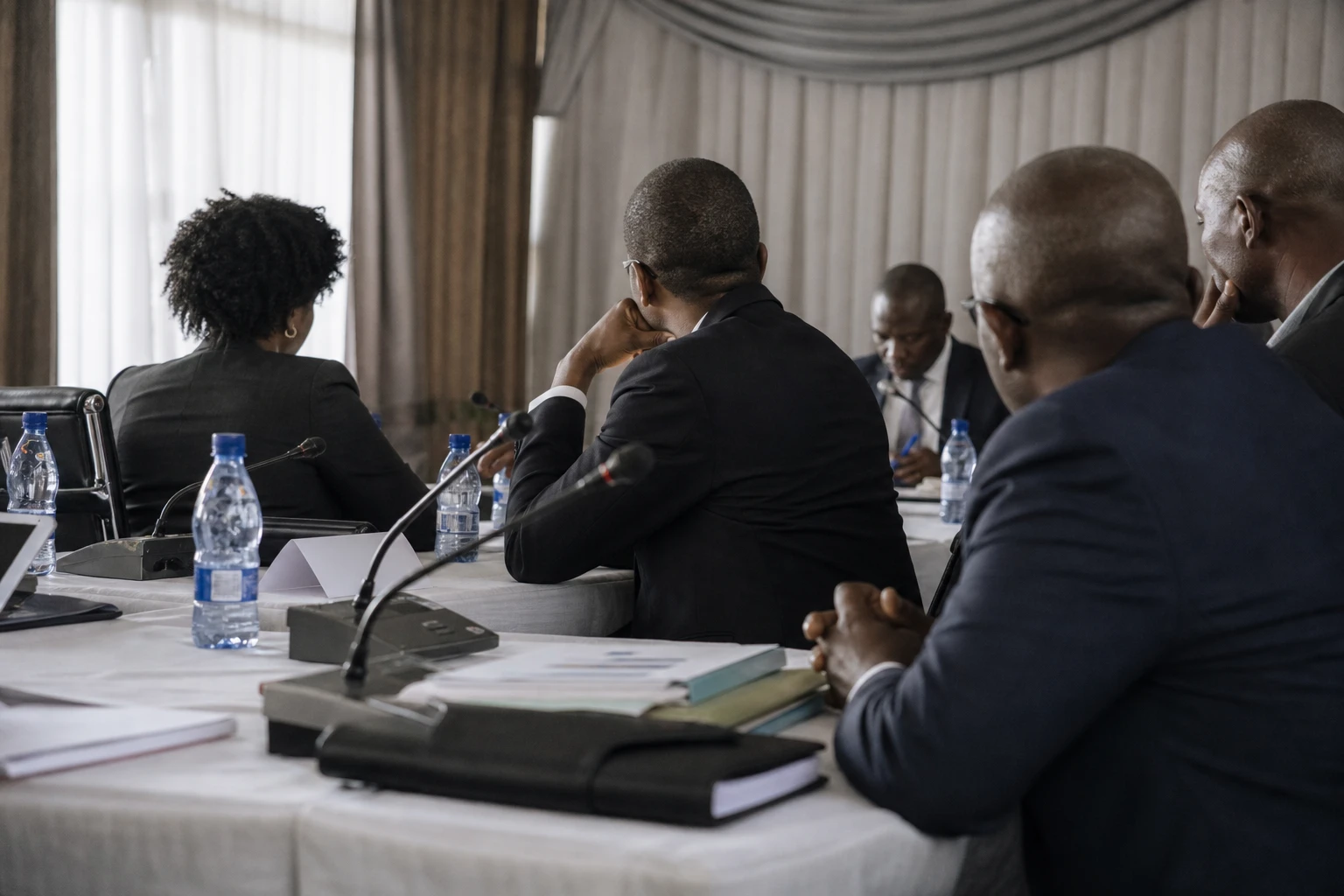
Two overlapping emergencies
In the Democratic Republic of the Congo, one epidemic does not necessarily displace another. It adds to the pressure, blurs priorities and can further weaken provinces already facing food and health pressures. In the east, the response to Ebola is therefore advancing alongside a more diffuse nutrition alert that is just as serious for households.
This overlap is critical. In a country as vast as DR Congo, health zones are not all experiencing the same crisis at the same time. Some are facing Ebola cases, others rising prices, insecurity, displacement or logistical isolation. The result is simple: the map of hunger does not always coincide with that of the epidemic. Recent national surveillance data and humanitarian analyses show that food insecurity remains high in several provinces, with millions of people in crisis or worse.
Ensuring the Ebola response does not eclipse other needs
Since May 2026, the Congolese authorities have put Ebola back at the centre of the national agenda. The Presidency has convened several task force meetings, while the health ministry and the World Health Organization have confirmed an outbreak caused by the Bundibugyo virus, initially confined to Ituri before spreading to other eastern provinces. As of 30 July 2026, the WHO reported 3,605 confirmed cases and 1,587 deaths, with 49 health zones affected across five provinces.
This public health focus is important, but it must not obscure the rest of the country. The Congolese government itself has noted that the national Ebola response plan was budgeted at $319 million, a sign of an exceptional mobilisation. At the same time, humanitarian agencies stress that the epidemic is also putting pressure on routine health services, nutrition, vaccination and child protection. In other words, every kilometre gained against the virus could come at the cost of setbacks elsewhere if the response becomes too concentrated on the most visible emergency.
Hunger is concentrated mainly far from Ebola outbreaks
This is where reading the maps becomes useful. The latest nutrition surveillance data cited in the humanitarian plan revision show that, of 519 health zones analysed, 76 were identified as having high severity, and 38 of them are in provinces affected by Ebola. The priority nutrition need to be addressed has consequently risen from about 823,000 people to nearly 1.8 million. These figures reflect a change in scale: the response is no longer about a few pockets in the east, but a broader, more diffuse crisis that is harder to prioritise.
But the most concerning core of the crisis lies elsewhere. The provinces of Sankuru, Kasaï-Oriental, Tshuapa, Haut-Lomami and Lomami account for 43 of the 53 health zones classified as facing a nutrition emergency in the available surveillance data. Sankuru is at the top of the list, followed by Kasaï-Oriental, Tshuapa, Haut-Lomami and Lomami. In Haut-Lomami, only three zones — Malemba-Nkulu, Lwamba and Kinkondja — are at the highest severity level. Here, the crisis is not spectacular. It is everyday. It shows in smaller meals, children screened too late and under-equipped health centres.
This geography matters. Sankuru, Kasaï-Oriental and Lomami are part of the centre and south-central regions of Congo, which are often less visible in international news cycles than the conflict-hit east. Yet these provinces face longstanding vulnerabilities: isolation, poor road infrastructure, unreliable markets, uneven healthcare provision and heavy reliance on local trade. UNICEF documents on Sankuru also show high levels of deprivation across several aspects of life, not just nutrition.
What this means for families, health workers and the state
For families, the impact is immediate. When food prices rise or roads close, meals get smaller before any emergency is declared. In Ebola-affected areas, parents sometimes hesitate to visit health facilities, either for fear of infection or because they cannot afford to. UNICEF has reported disruptions in the east affecting essential care, vaccination and child nutrition. This creates a domino effect: fewer consultations, less screening, less treatment and therefore more complications.
For health workers, the challenge lies in the need to respond to both emergencies at once. They must treat a highly contagious virus, strengthen infection prevention and control, trace contacts and continue identifying children with acute malnutrition. DR Congo’s health system is already operating under constraints. Health zones form the backbone of local public services in the country; when they are overwhelmed, the entire local network is weakened.
For the Congolese state, the stakes are political as well as public health-related. The Ebola response mobilises Kinshasa, the eastern provinces and external partners. But the credibility of a response is also measured by its ability not to absorb all available resources at the expense of the country’s central provinces. That is why the humanitarian plan revision calls for a more targeted approach: address Ebola outbreaks without sidelining the nutrition emergencies already taking hold in Sankuru, Tshuapa, Haut-Lomami and Lomami.
A test of how the crisis is viewed regionally
Beyond DR Congo, the situation is a reminder of a reality often underestimated in Central Africa: health and food crises spread along roads and through markets, displacement and administrative borders. Burundi, Uganda and other neighbours are also monitoring the cross-border effects of epidemics and population movements. At continental level, DR Congo is therefore becoming a test of coordination between national authorities, the African Union, the WHO and humanitarian partners.
The next priority is clear: maintain pressure against Ebola in the east without allowing a lasting nutrition crisis to take hold in the centre and south-central regions of the country. The effectiveness of the Congolese response will be judged here. Not only by the speed of intervention, but by its ability to address several emergencies at once without erasing one in favour of another.



