Algeria
 Egypt
 Libya
 Morocco
 Sudan
 Tunisia
 Benin
 Burkina Faso
 Cabo Verde
 Côte d'Ivoire
 Ghana
 Guinea
 Guinea-Bissau
 Liberia
 Mali
 Mauritania
 Niger
 Nigeria
 Senegal
 Sierra Leone
 The Gambia
 Togo
 Cameroon
 Central African Republic
 Chad
 Equatorial Guinea
 Gabon
 Republic of the Congo
 São Tomé and Príncipe
 Burundi
 Comoros
 Djibouti
 Eritrea
 Ethiopia
 Kenya
 Madagascar
 Malawi
 Mauritius
 Mozambique
 Rwanda
 Seychelles
 Somalia
 South Sudan
 Tanzania
 Uganda
 Angola
 Botswana
 Eswatini
 Lesotho
 Namibia
 South Africa
 Zambia
 Zimbabwe
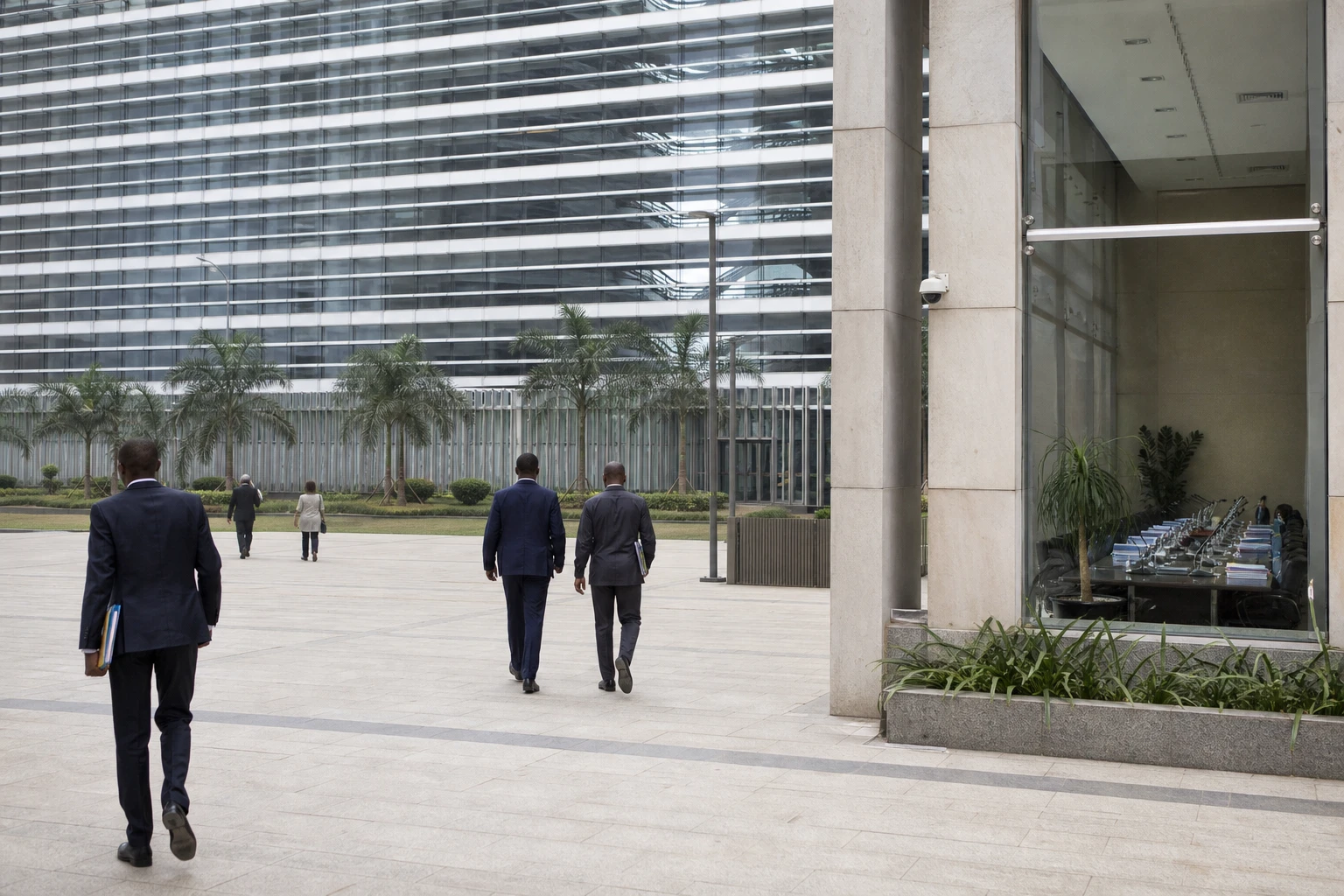
A dialogue in demand, but already contested
In the Democratic Republic of the Congo, the word “dialogue” is no longer enough to ease tensions. It immediately triggers a battle over its venue, its arbiters and its participants. In Kinshasa, this debate has become a test of credibility as much as an instrument for resolving the crisis.
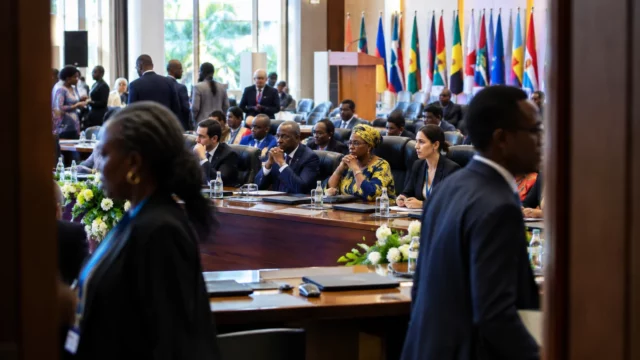
For several months, Congolese authorities, religious leaders, opposition figures and African mediators have been seeking a formula capable of addressing the political crisis, the security situation in the east and the mistrust between rival camps. In this landscape, the African Union and the United Nations remain institutional reference points frequently invoked, even as each side tries to steer their use to its own advantage.
It is in this context that a political movement built around Joseph Kabila has said yes to the principle of a national dialogue, but no to the idea of a framework without guarantees. The platform believes such a process has value only if it is based on mediation considered neutral, confidence-building measures and organisational conditions that, in its view, dispel any suspicion of control by the government in power.
Demands reflecting Congo’s balance of power
The heart of the disagreement is well known. President Félix Tshisekedi says he wants a dialogue among Congolese, but within a framework that respects the institutions and the Constitution. Recent official statements show that he supports an internal exchange, without mediation imposed from outside, while remaining open to initiatives capable of strengthening national cohesion.
By contrast, the platform linked to Joseph Kabila is calling for independent mediation, with the support of the African Union and the United Nations, and wants a third country to host the discussions. It puts forward arguments of security and inclusiveness. It also considers that the head of state cannot be both a party to the crisis and the guarantor of its resolution. This fault line is not new, but it has hardened over the months.
The movement adds political confidence-building gestures to its demands: the release of prisoners, the return of exiles, an end to certain restrictions targeting political parties, and the dissolution of the “Force du progrès” militia, described by its opponents as a pressure group close to the government. On this point, the battle is twofold: legal and political. Each camp wants to impose its interpretation of what constitutes public order or intimidation.
Another factor weighs on this issue. Joseph Kabila was sentenced to death by a high military court on 30 September 2025 in a case involving treason and war crimes, according to agencies that followed the case. This conviction gives his return to the political forefront an explosive dimension. It also strengthens the government’s argument that some opposition figures have been disqualified by the justice system.
What this moment means for Congolese people
For Congolese people, the stakes go beyond an institutional dispute. In a capital where politics is also reflected in queues, rising prices and anxiety about the east, dialogue is expected to be a practical tool. It must address security, but also the movement of opposition figures, freedom of expression, trust in the justice system and the electoral future. Otherwise, it will remain a backdrop.
In the east of the country, the pressure is even greater. Discussions on national dialogue overlap with diplomatic efforts around the armed conflict, the Doha talks and African mediation initiatives. The African Union has already stressed the importance of ceasefires and ongoing peace mechanisms. The UN, meanwhile, continues to support peace and development in the DRC, while closely monitoring the deteriorating security situation.
The central problem, then, is trust. The government fears a forum that would serve as a platform for its opponents and weaken the authority of the state. The opposition, for its part, fears a domesticated dialogue designed to endorse the existing balance of power. Between these two interpretations, the public is above all waiting for results: fewer arbitrary arrests, less political violence, greater security and a clear outlook.
This tension also reveals a longstanding feature of Congolese political life: major resolutions to crises rarely come through a single format. They often rely on a combination of mediation efforts, partial agreements and difficult compromises. This is true in the DRC, but it also resonates more broadly across Central Africa, where political transitions, rebellions and party realignments regularly call upon the African Union, churches and regional facilitators.
A moment to watch closely in Kinshasa and the region
What happens next will depend first on two questions. Who will lead the dialogue, and where will it be held? As long as these points remain unclear, each camp retains control of the narrative. But the further the political calendar advances, the less room for manoeuvre there is. In a country looking ahead to upcoming institutional deadlines, a dialogue lacking credibility could deepen mistrust rather than contain it.
The continental significance is real. The DRC remains a major player in Central Africa and a key issue for both the African Union and the United Nations. What is at stake goes beyond a quarrel between the opposition and the majority. It is the ability of a large state, beset by interlocking crises, to turn political negotiations into a pact for stability. That is where the strength of African mediation is measured, beyond words.