Algeria
 Egypt
 Libya
 Morocco
 Sudan
 Tunisia
 Benin
 Burkina Faso
 Cabo Verde
 Côte d'Ivoire
 Ghana
 Guinea
 Guinea-Bissau
 Liberia
 Mali
 Mauritania
 Niger
 Nigeria
 Sierra Leone
 The Gambia
 Togo
 Cameroon
 Central African Republic
 Chad
 DR Congo
 Equatorial Guinea
 Gabon
 Republic of the Congo
 São Tomé and Príncipe
 Burundi
 Comoros
 Djibouti
 Eritrea
 Ethiopia
 Kenya
 Madagascar
 Malawi
 Mauritius
 Mozambique
 Rwanda
 Seychelles
 Somalia
 South Sudan
 Tanzania
 Uganda
 Angola
 Botswana
 Eswatini
 Lesotho
 Namibia
 South Africa
 Zambia
 Zimbabwe
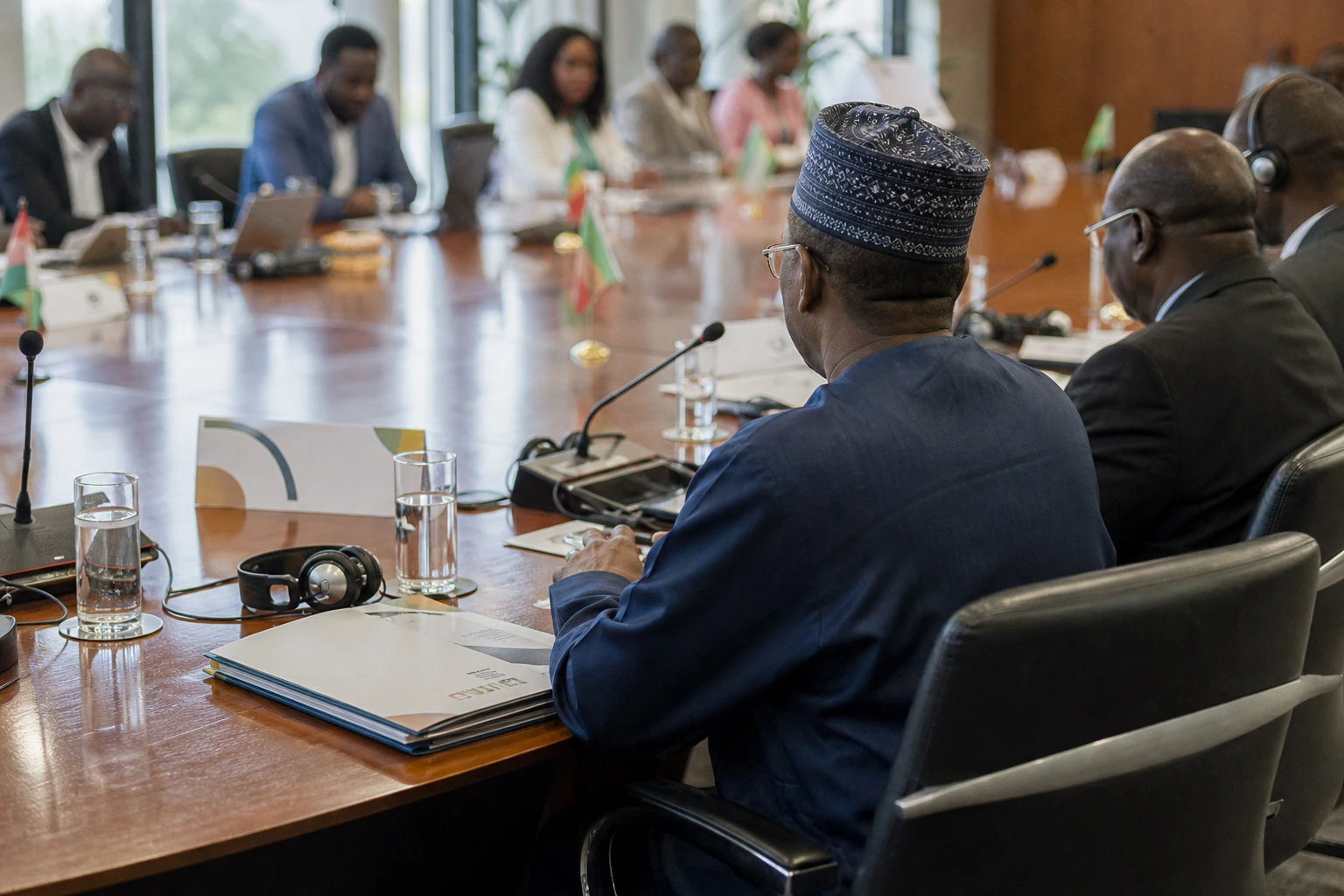
In Dakar, fashion is no longer limited to new-clothing shop windows
In the Senegalese capital, clothing shopping is no longer confined to the aisles of Sandaga, HLM or Colobane. A different way of consuming fashion is taking hold, more discreet and more digital. It responds to a simple reality: many Senegalese want quality items, but without paying full price.
This is where a platform such as Maket has found its place. The young company, founded in 2025, was showcased in Dakar in June 2026 as a circular-fashion initiative — a model based on reuse, resale and repair rather than the systematic purchase of new items. The idea fits a broader shift in the Senegalese market, where e-commerce is growing and digital habits are spreading rapidly through social media and mobile payments.
Senegal is not just creating an outlet for pre-worn clothes. It is also testing a more structured way of circulating value in a sector long dominated by the informal economy, second-hand clothing markets and local shopping. In this setting, fashion is becoming a field for economic innovation, as well as an indicator of social change.
From the physical market to the digital marketplace
The core of Maket’s project can be summed up in a few words: connecting sellers and buyers anonymously to trade second-hand luxury clothing, shoes, bags and accessories. The platform, led by Fatou Dieng, has been presented as a response to a concrete need identified among its customers: selling items left unused in wardrobes and buying more affordable pieces without giving up on style. In June 2026, at the launch of the “Yeesal” initiative, the startup said it wanted to organise the premium circular-fashion market in West Africa.
This choice is not insignificant in Senegal. The Ministry of Industry and Trade lists textiles and clothing among its sectors of activity, signalling that the industry is monitored by the state. The Senegalese export promotion agency, meanwhile, says textiles are one of the sectors offering the most opportunities and that the country has a long-standing textile tradition. Dakar also hosted the African Sourcing and Fashion Week this year, described by RTS as a major event for textile sourcing in West and North Africa.
In other words, Maket has arrived at the right time. The country is seeking to consolidate a more clearly defined textile value chain, while private-sector players explore lighter, more digital formats that are closer to urban habits.
What second-hand really changes
The success of this kind of platform rests on several factors. First, purchasing power. Even second-hand, a designer piece is often more affordable than an equivalent new item. Then there is the desire to stand out. Customers are not just looking for low prices. They want rare pieces, sometimes brought in from other West African countries such as Nigeria or Ghana, that give the impression of a distinctive style.
This approach also resonates with some of the urban youth. In Dakar, buying more cheaply no longer automatically means buying inferior goods. Some women see it as a compromise between budget, quality and image. Some, as in the testimony gathered by the original source, are also willing to resell their own clothes to free up a little room in their budget, while ensuring that wearable items do not remain unused in wardrobes.
The environmental aspect matters just as much. The African Development Bank describes the circular economy as a model based on reuse, repair, refurbishment and recycling for as long as possible. The UN, through the Economic Commission for Africa, presents this transition as a way to create jobs and reduce pressure on natural resources. In the textile sector, the challenge is twofold: less waste and more value captured locally.
Health and hygiene remain sensitive issues, especially in countries where second-hand goods are sometimes viewed with suspicion. Maket is therefore banking on professional disinfection, transaction logistics and anonymity for both parties. This framework reassures customers who want to buy without feeling guilty and sell without revealing their identity. In a market often built on personal trust, this layer of service changes the nature of the exchange.
A signal for Dakar, West Africa and beyond
Fatou Dieng’s trajectory neatly encapsulates the shift under way. Trained in finance and having worked at international banking institutions, she has redirected her skills towards a market where data, trust and the circulation of goods matter as much as the products themselves. This kind of career change speaks to a generation of African entrepreneurs who no longer want to set business, technology and impact against one another.
For Dakar, the stakes go beyond a trendy boutique. If these platforms succeed, they could support jobs in sales, logistics, quality control, specialist cleaning and digital content production. They could also raise the profile of African designers who are less well known to the public, particularly in the sub-region. Senegal’s Ministry of Industry and Trade, for its part, emphasises textiles and clothing as sectors for development, while ASEPEX highlights the industry’s historic place in Senegalese exports.
At regional level, the trend is even more telling. Circular fashion is part of a West Africa where digital commerce is growing, mobile payments are facilitating transactions, and ECOWAS provides a framework for the movement of goods and services. The Senegalese example shows that an African urban economy can make second-hand luxury not a niche market, but an organised, connected and confidently established segment. It is a signal to watch, especially if other cities in the sub-region adopt the same approach ahead of the next textile trade shows, fairs and industry events.