Algeria
 Egypt
 Libya
 Morocco
 Sudan
 Tunisia
 Benin
 Burkina Faso
 Cabo Verde
 Côte d'Ivoire
 Ghana
 Guinea
 Guinea-Bissau
 Liberia
 Mali
 Mauritania
 Niger
 Nigeria
 Sierra Leone
 The Gambia
 Togo
 Cameroon
 Central African Republic
 Chad
 DR Congo
 Equatorial Guinea
 Gabon
 Republic of the Congo
 São Tomé and Príncipe
 Burundi
 Comoros
 Djibouti
 Eritrea
 Ethiopia
 Kenya
 Madagascar
 Malawi
 Mauritius
 Mozambique
 Rwanda
 Seychelles
 Somalia
 South Sudan
 Tanzania
 Uganda
 Angola
 Botswana
 Eswatini
 Lesotho
 Namibia
 South Africa
 Zambia
 Zimbabwe
On the eve of the opening, the challenge of the Dakar Youth Olympic Games (YOG) goes beyond staging the competitions. Senegal is preparing to host an international sporting event across several venues, while showing how it can become part of the country’s life and leave behind facilities that remain useful after the ceremonies.
An event spread across Dakar, Diamniadio and Saly
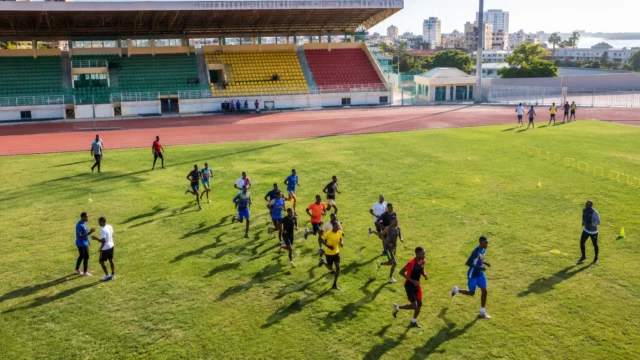
The competition will take place from 31 October to 13 November 2026. Around 2,700 athletes are expected in the Senegalese capital, Diamniadio and Saly, across eight venues. The programme includes 25 competitive sports and ten engagement disciplines, designed in particular to involve the public.
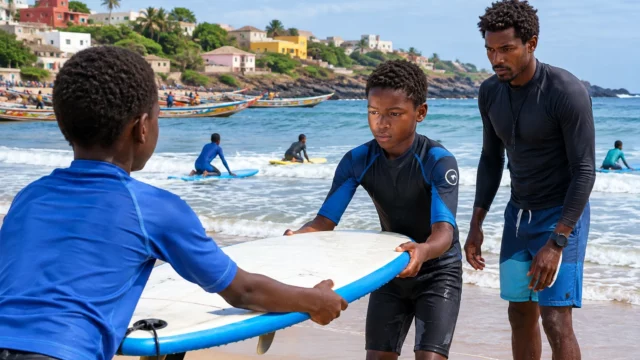
The choice of several hubs spreads events beyond Dakar. Diamniadio, about 30 kilometres east of the capital, will host the Olympic Village, among other facilities. Saly, on the Petite-Côte, will stage disciplines linked to the coast. This geography gives the Games a national reach, but also requires transport, security and hosting to be co-ordinated across venues some distance from one another.
Senegal is the first African country to host an Olympic event. For International Olympic Committee (IOC) president Kirsty Coventry, final preparations were under way as the opening approached. She described an atmosphere of anticipation in the athletes’ village and praised the condition of the facilities. These statements reflect the Olympic leader’s visit and assessment; they do not replace an independent evaluation of the organisation.
Preparations overseen by the state and the sporting movement
The YOG were originally due to take place in 2022. Their postponement to 2026, decided in the context of the Covid-19 pandemic, extended preparations and shifted the deadline for Senegalese institutions and organisers alike. Attention is now focused on the operational phase: welcoming delegations, running the venues and enabling spectators to travel between the different hubs.
The Senegalese government has announced measures to complete preparations, particularly concerning staffing, logistics and venue security. The Organising Committee, chaired by Mamadou Diagna Ndiaye, is working with public services and the sporting movement. In the final days, the challenge is less to make further announcements than to check that the arrangements work together.
With events spread across Dakar, Diamniadio and Saly, mobility is especially important. It may put pressure on roads and transport used daily by Senegalese people, while also creating needs and opportunities for local service providers, businesses and workers. Residents’ experience will therefore depend as much on traffic and access to venues as on the sporting spectacle.
The IOC describes Dakar 2026 as the first Olympic event to be held on the continent. This gives Senegal an exceptional international profile. It also raises expectations: success will be measured not only by the ceremony or results, but by the organisation’s ability to welcome young people, keep to the schedule and deliver tangible benefits to host communities.
Young people meeting beyond the medal table
The YOG bring together athletes aged 15 to 18. The format combines competitions with cultural and educational activities. Mamadou Diagna Ndiaye has stressed the exchanges between young people from different countries, saying that meeting one another matters as much as the medals. His remarks highlight the Games’ educational ambition, without diminishing the sporting pressure or the demands of preparation placed on young participants.
This ambition also concerns young Senegalese people who will not take part in the events. The engagement disciplines and planned activities could bring the public closer to the venues and sports. Their reach will depend, however, on how accessible the activities are, the information shared in neighbourhoods and the space given to local stakeholders. Benefits will not automatically be shared between the capital, the host cities and the rest of the country.
Another challenge will emerge after 13 November. The facilities and experience gained during the event will amount to a legacy only if they remain maintained and accessible to athletes, clubs and residents. This is a central question for the local authorities involved, which will have to reconcile the everyday use of the infrastructure with the needs of elite sport.
An event for Senegal and West Africa
At regional level, Dakar 2026 offers African athletes a stage and an opportunity for co-operation in organising a major event. Senegal is a member of the Economic Community of West African States (ECOWAS), which brings countries in the region together around economic and political co-operation. The Games are not an ECOWAS event, but hosting them could foster exchanges between federations, organisers and young people from across the sub-region.
The opening ceremony, scheduled for 31 October, will mark the transition from preparations to the test of reality. The coming days will offer a chance to observe co-ordination between venues, the welcome for delegations and the conditions of access for the public. In the longer term, the question will be one of legacy: what Dakar, Diamniadio, Saly and Senegalese athletes will be able to retain once visitors have left.
Official information on Dakar 2026 YOG · Government measures to complete preparations · APS coverage of Kirsty Coventry’s arrival in Dakar