Algeria
 Egypt
 Libya
 Morocco
 Sudan
 Tunisia
 Benin
 Burkina Faso
 Cabo Verde
 Côte d'Ivoire
 Ghana
 Guinea
 Guinea-Bissau
 Liberia
 Mali
 Mauritania
 Niger
 Nigeria
 Senegal
 Sierra Leone
 The Gambia
 Togo
 Cameroon
 Central African Republic
 Chad
 DR Congo
 Equatorial Guinea
 Gabon
 Republic of the Congo
 São Tomé and Príncipe
 Burundi
 Comoros
 Djibouti
 Eritrea
 Ethiopia
 Kenya
 Madagascar
 Malawi
 Mauritius
 Mozambique
 Rwanda
 Seychelles
 Somalia
 South Sudan
 Tanzania
 Uganda
 Angola
 Botswana
 Eswatini
 Lesotho
 Namibia
 South Africa
 Zambia
 Zimbabwe
A season that begins before the first whistle
Before the ball even rolls in September, African clubs already know one thing: the real battle often begins at the draw. At this level, a long trip, a regional derby or a better-equipped opponent can matter as much as current form. In Africa, interclub competitions are not won on the pitch alone; they are also prepared in offices, when the first match-ups take shape.
The Confederation of African Football has set a precise schedule for the 2026/27 Champions League and Confederation Cup season. The preliminary rounds are due to begin in September 2026, with the first legs of the first round scheduled for 4 to 6 September, followed by the return legs from 11 to 13 September. The second round will follow in October, before the group stage begins at the end of November. The winners will continue to receive $6 million for the Champions League and $4 million for the Confederation Cup.
Cairo, the centre of gravity for interclub football
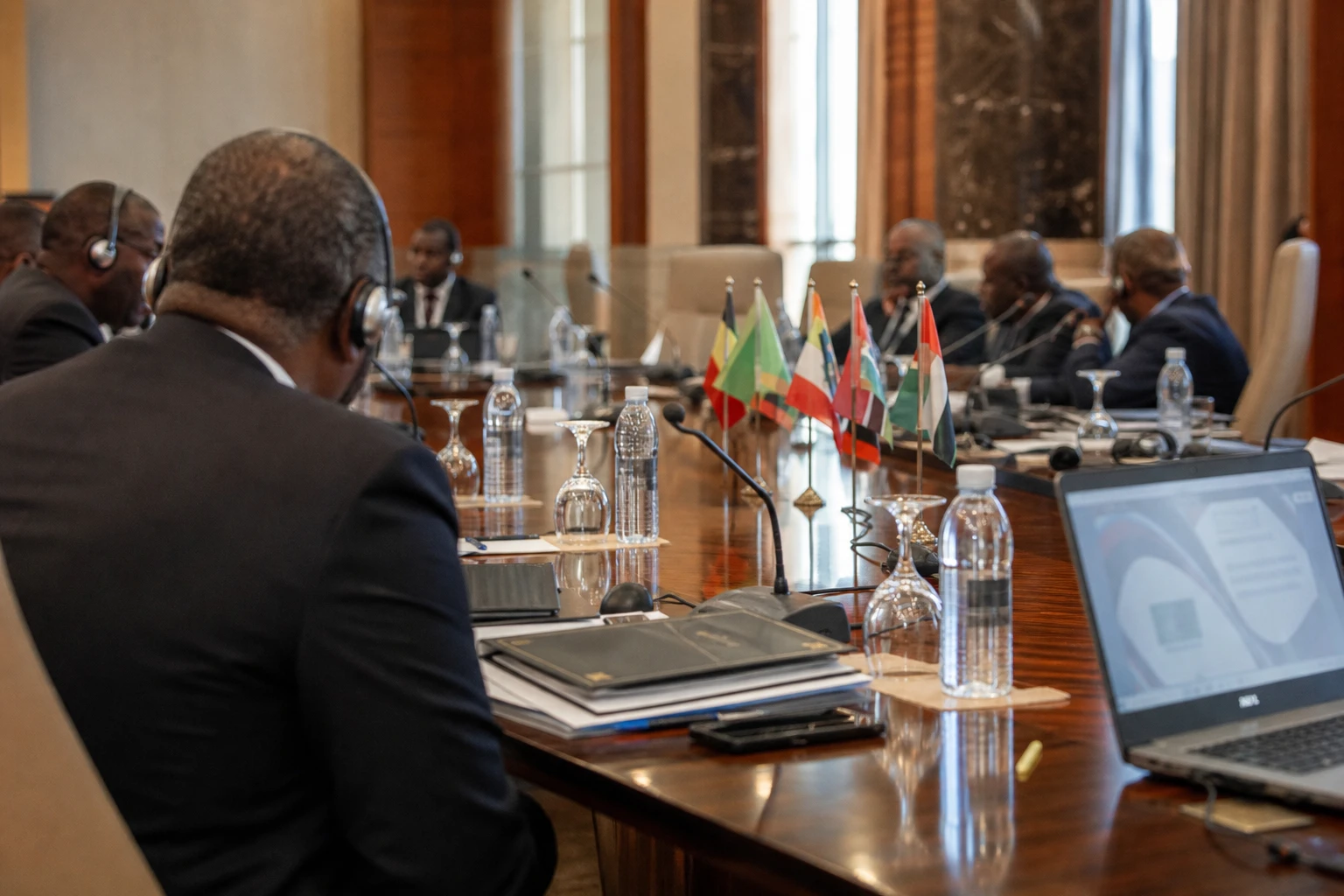
CAF is bringing these major stages together in Cairo, a city that regularly serves as an administrative anchor for continental football. The choice is no accident. Egypt is home to the headquarters of the Egyptian Football Association, and the capital remains one of the places where the balance of power in African football can be read. The draw also comes a few weeks after the season’s official calendar was published, giving clubs greater visibility as they prepare travel, squads and budgets.
The previous season highlighted the level of competition these tournaments demand. In May and June 2026, the Champions League final pitted Morocco’s AS FAR against South Africa’s Mamelodi Sundowns. The South Africans, beaten finalists, then saw the trophy go to Egypt’s Pyramids FC, who beat Sundowns 2-1 in Cairo to win their first continental title. This is a significant reminder that the hierarchy can shift quickly, even among the continent’s most established clubs.
Two competitions, two routes to the summit
The Champions League remains African football’s most prestigious showcase. It brings together national champions and the highest-ranked teams according to the CAF coefficient, in other words the club ranking calculated by the confederation. The Confederation Cup offers another route to the highest level of continental competition. It includes national cup winners and several teams that have finished high in their domestic leagues. Together, the two tournaments map out a broad cross-section of football across the continent, from North Africa to southern Africa, and across West, East and Central Africa.
These balances explain why the draw matters. A club from the Sahel or the Horn of Africa does not approach the competition with the same logistical resources as a North African or South African giant. Flight costs, visas, the scheduling of domestic leagues and the depth of squads all change the equation. For sporting directors, the opening tie can therefore influence recruitment, physical preparation and the schedule of friendly matches. For supporters, it already offers an idea of the season’s real ambitions.
The Confederation Cup also retains considerable strategic value. It has secured a lasting place in the continental ecosystem because it allows clubs with less media exposure to establish themselves over time at African level. The draw is more than a ceremonial occasion. It can open up an accessible route or, conversely, put a team up against an opponent already seasoned in regional contests from the outset. On a continent where domestic competitions remain highly uneven in stability and tempo, this detail becomes a major sporting factor.
What African clubs are watching now
In the short term, clubs are chiefly waiting for the full list of fixtures and, after that, details of the draw procedures and seeding. These factors matter as much as the opponent’s name. They shape the dynamics of the match-ups and the scope for manoeuvre available to the teams involved. At continental level, this season will also show whether clubs with strong infrastructure, stable coaching teams and deep squads continue to dominate, or whether outsiders can move further up the pecking order.
The next steps are clear: the first preliminary matches will begin in September 2026, followed by the group stage at the end of November. Until then, the Cairo draw will set the tone for a campaign that concerns clubs as much as federations, sponsors, host cities and supporters. In African football, the road to the group stage never really begins with the first match. It begins when the draw is made.