Algeria
 Egypt
 Libya
 Morocco
 Sudan
 Tunisia
 Benin
 Burkina Faso
 Cabo Verde
 Côte d'Ivoire
 Ghana
 Guinea
 Guinea-Bissau
 Liberia
 Mali
 Mauritania
 Niger
 Nigeria
 Senegal
 Sierra Leone
 The Gambia
 Togo
 Cameroon
 Central African Republic
 Chad
 DR Congo
 Equatorial Guinea
 Gabon
 Republic of the Congo
 São Tomé and Príncipe
 Burundi
 Djibouti
 Eritrea
 Ethiopia
 Kenya
 Madagascar
 Malawi
 Mauritius
 Mozambique
 Rwanda
 Seychelles
 Somalia
 South Sudan
 Tanzania
 Uganda
 Angola
 Botswana
 Eswatini
 Lesotho
 Namibia
 South Africa
 Zambia
 Zimbabwe
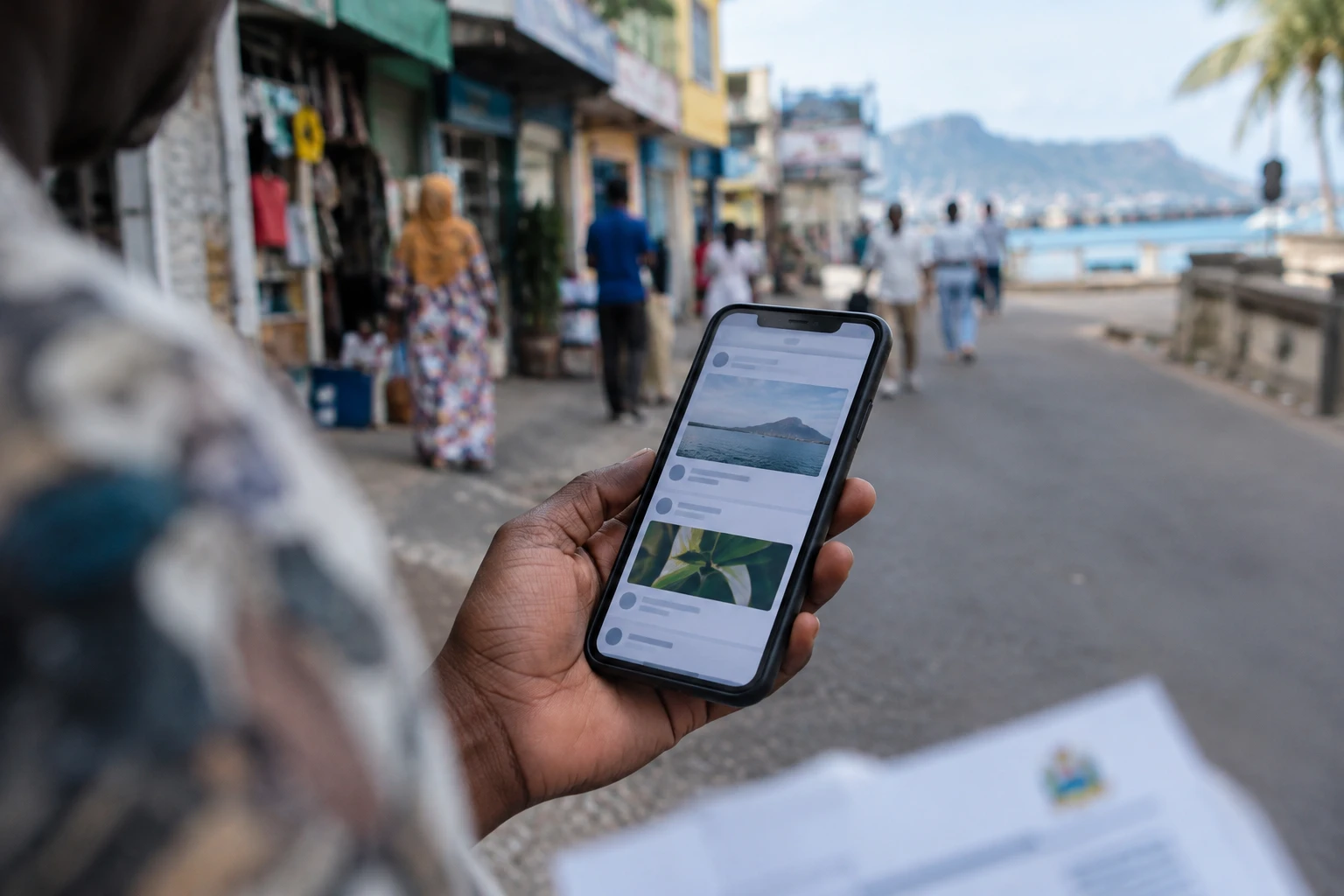
Two men convicted of Naïcha’s murder died in custody in the Comoros seven days apart. The deaths, following a closely watched trial, put one question at the centre of the debate: how can the circumstances of a death in prison be clearly established?
Recent trial, two deaths in quick succession
The Moroni assize court sentenced Fahami Moustoifa to death and Athoumani Abdouroihamane to 25 years’ imprisonment following the trial in October 2026. The two men were charged in the case of Naïcha Mmadi Abdou, a young woman killed in May. Reports on the verdict published by Mayotte Hebdo and La Gazette des Comores confirm the sentences handed down.
Athoumani Abdouroihamane died on 4 November, after his health deteriorated and he was transferred to a medical facility. The public prosecutor described his death as natural. La Gazette des Comores reported that this conclusion was based on two medical opinions. The second convict, Fahami Moustoifa, died on Wednesday 11 November at El-Maarouf Hospital in Moroni, after receiving urgent care. The prosecutor’s statement reported that day did not specify the cause of his death.
These details distinguish what is known from the questions that remain open. The first detainee’s death was described by the prosecutor’s office as natural; the available statement did not specify the cause of the second death. Reports published by La Gazette des Comores and Comores Infos corroborate the dates and judicial context. On their own, they do not make it possible to draw a conclusion about any possible link between the deaths.
Transparency is central
The timing fuels questions: the two men died a week apart, only a few weeks after their conviction. Contrasting reactions have been reported on social media. Some are asking for explanations about the circumstances and medical care; others believe the convictions make these deaths less worthy of attention. But the seriousness of a crime and criminal responsibility established by a court do not remove the obligation to account for the treatment of people in custody.
For the families, Naïcha’s loved ones and the public, precise information is essential. It helps distinguish established facts from rumours and preserve trust in the justice system. Publishing timings, transfers, medical examinations and investigation findings could help provide clarity, while respecting legal procedures and privacy. At this stage, it is necessary to stick to the information attributed to the prosecutor’s office and the media reporting it.
The case also serves as a reminder that detention places a particular responsibility on the authorities for security and access to healthcare. A medical emergency may require a rapid response, including outside prison facilities. However, the information available does not describe in sufficient detail the conditions in which the two men were detained or the care they received before their transfer. It would therefore be premature to infer any specific failure.
The death penalty in the Comorian context
Fahami Moustoifa’s death sentence comes against a distinctive legal backdrop. According to a document submitted to the United Nations as part of the Comoros’ Universal Periodic Review, the death penalty has not been abolished under Comorian law, but death sentences are in practice commuted to life imprisonment. Amnesty International says the Comoros has carried out no executions since 1997. These points help explain the significance of the verdict without prejudging its legal outcome.
The sentence handed down does not, in itself, amount to an imminent execution. It nevertheless reignites debate about the place of the death penalty in the Comorian judicial system and the gap between law and practice. In a case marked by the violence of the crime, the judicial response must also be clear: the public should be able to understand court decisions and the procedures that follow.
An issue that extends beyond the archipelago
The Comoros is an island state in the Indian Ocean, a member of the African Union and the Indian Ocean Commission. The regional organisation brings together the Comoros, Madagascar, Mauritius, Seychelles and France, through Réunion. The case is not subject to any known regional investigative mechanism, but it touches on broader principles: the protection of people deprived of their liberty, access to healthcare and institutional transparency.
The next crucial step will be the release of verifiable information about the cause of Fahami Moustoifa’s death and the medical circumstances of both transfers. Without further information, the facts should remain attributed and areas of uncertainty clearly identified. In the Comoros, as elsewhere in the region, distinguishing between evidence, official statements and unresolved questions enables the public to follow a sensitive case without conflating criminal justice and speculation.