Algeria
 Egypt
 Morocco
 Sudan
 Tunisia
 Benin
 Burkina Faso
 Cabo Verde
 Côte d'Ivoire
 Ghana
 Guinea
 Guinea-Bissau
 Liberia
 Mali
 Mauritania
 Niger
 Nigeria
 Senegal
 Sierra Leone
 The Gambia
 Togo
 Cameroon
 Central African Republic
 Chad
 DR Congo
 Equatorial Guinea
 Gabon
 Republic of the Congo
 São Tomé and Príncipe
 Burundi
 Comoros
 Djibouti
 Eritrea
 Ethiopia
 Kenya
 Madagascar
 Malawi
 Mauritius
 Mozambique
 Rwanda
 Seychelles
 Somalia
 South Sudan
 Tanzania
 Uganda
 Angola
 Botswana
 Eswatini
 Lesotho
 Namibia
 South Africa
 Zambia
 Zimbabwe
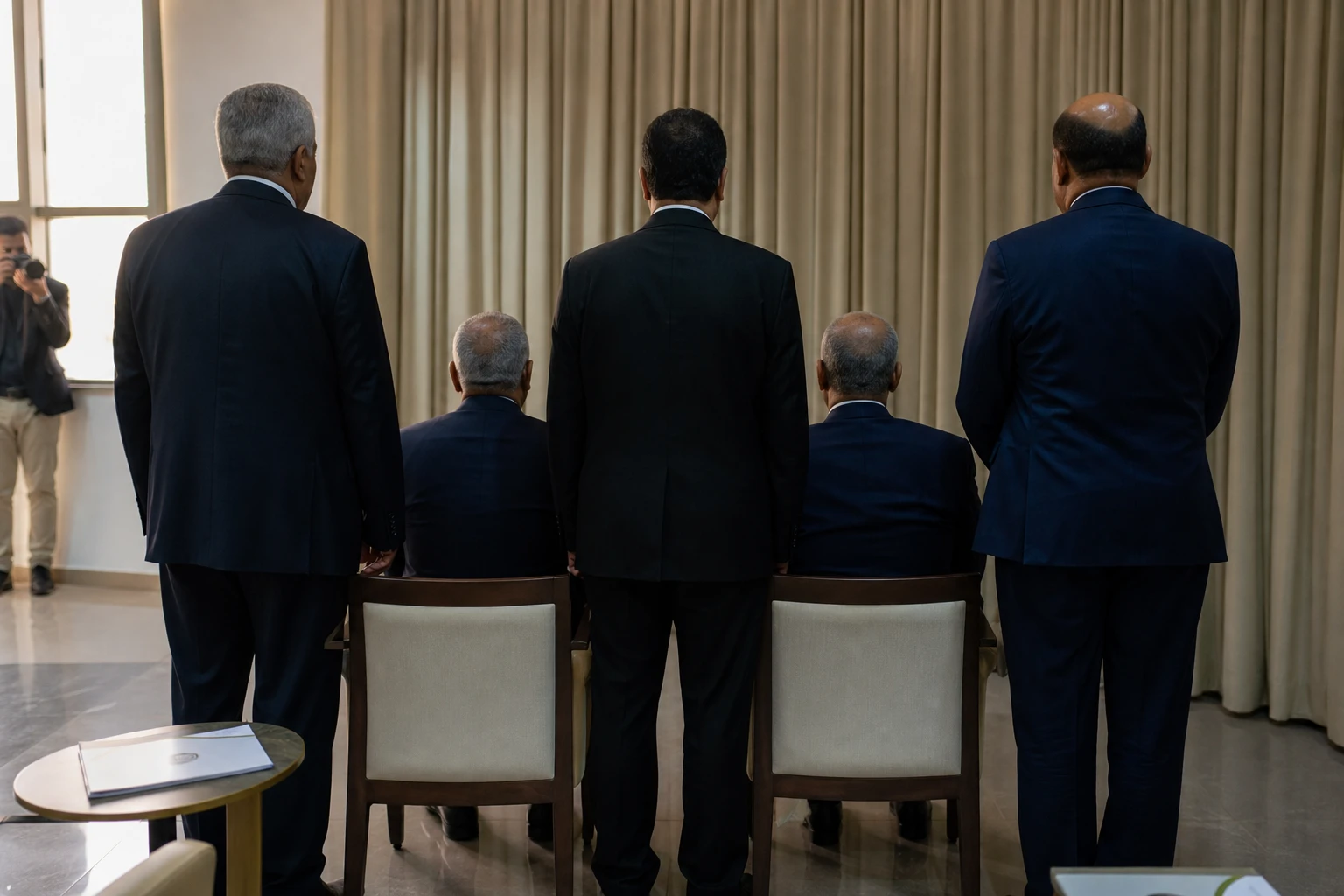
Bomb attacks return to Benghazi
In eastern Libya, the scene revived a memory many thought had been consigned to the darkest years: targeted attacks on security officials. In Benghazi, a senior military intelligence officer linked to Khalifa Haftar’s structure was killed on Monday 10 August 2026 in a car bomb explosion, even as the city has for years projected an image of firmer security control than Tripoli.
The victim, Fawzi al-Mansouri, headed military intelligence for the eastern region. According to the Libyan National Army, the explosion took place in the al-Hawari neighbourhood, near the Sayyida Aisha Mosque, after he left the place of prayer in the evening. The AP reports that the device exploded near his car, and that no one immediately claimed responsibility.
The incident comes amid a still-fragmented Libya. In the west, the Tripoli government continues to rely on armed groups and external support. In the east, Benghazi remains the centre of Haftar’s military and political power. This duality, confirmed by recent AP dispatches, continues to shape the country’s institutional life, despite mediation efforts by the UN and the African Union.
The facts, and the political stakes behind security
The LNA general command’s statement drew a parallel with methods used in Benghazi before 2014 by groups described as terrorists by the same structure. But at this stage, the authorities have named no suspects. Investigators have also provided no official lead, and no organisation has claimed the attack. In a case like this, caution is essential: a modus operandi can inform an investigation, but it is not enough to identify those responsible.
Such restraint is all the more necessary because Benghazi has previously experienced a series of assassinations and attacks targeting military personnel, police officers and security figures. In 2013 and 2014, the city was one of the epicentres of this violence. The archive of Libya’s official news agency and several dispatches from the time show how recurrent bomb attacks on officials were. The new development in 2026 is the break with a period of relative calm highlighted by the eastern authorities.
The choice of target matters as much as the method. Fawzi al-Mansouri held a sensitive post at the intersection of intelligence, surveillance of armed networks and internal security matters. In a system where the boundaries between state institutions, military loyalties and local rivalries remain porous, such a role leaves its holder exposed to score-settling, reprisals or operations that are more political than they appear. That is precisely what makes an immediate interpretation so difficult.
For the eastern authorities, the impact is twofold. Symbolically, the assassination undermines the narrative of restored stability in Benghazi. In practical terms, it forces security services to reorganise around a simple question: who can still strike at the heart of a city presented as locked down? For residents, the effect is even more tangible. An attack of this kind rekindles fear around travel, social gathering places and daily routes, even when open violence seemed to have receded.
In Tripoli, the case is also viewed through the prism of inter-Libyan rivalry. The west has seen episodes of security tension and assassinations of military figures in recent months. The contrast between the country’s two sides remains misleading: a visible decline in fighting does not mean targeted violence has disappeared. It mainly reflects its shift towards forms that are more discreet, more opaque and often harder to document.
What this killing says about Libya and the region
The regional timetable gives this attack wider significance. In June 2026, the African Union welcomed a roadmap signed by Libya’s main institutions to end the transition. The AU Peace and Security Council also reaffirmed in early June that security stabilisation remained a prerequisite for the political process. The Benghazi assassination is a reminder that this prerequisite remains fragile. Until armed forces move towards a unified chain of command, diplomacy will remain exposed to shocks on the ground.
This fragility also concerns Libya’s neighbours. The country remains a crossroads between the Mediterranean, the Sahel and North Africa, with repercussions for the movement of weapons, fighters and smuggling networks. Tensions in Benghazi are therefore not a strictly local episode. They weigh on the balance in neighbouring countries, from Egypt to Tunisia, and on the ability of African initiatives to impose a Libyan solution led by Libyans themselves.
The point to watch now is less the immediate military response than the political reading of the attack in Benghazi, Tripoli and mediation forums. If the investigation leads to arrests, it will reveal something about the real state of security control. If it stalls, it will reinforce the view that Libya’s centres of power remain vulnerable to targeted strikes, even when they project order. In a Libya still divided between Tripoli and Benghazi, security remains an issue of sovereignty before it is a matter of policing.