Algeria
 Egypt
 Libya
 Morocco
 Sudan
 Tunisia
 Benin
 Burkina Faso
 Cabo Verde
 Côte d'Ivoire
 Ghana
 Guinea
 Guinea-Bissau
 Liberia
 Mali
 Mauritania
 Niger
 Nigeria
 Senegal
 Sierra Leone
 The Gambia
 Togo
 Cameroon
 Central African Republic
 Chad
 Equatorial Guinea
 Gabon
 Republic of the Congo
 São Tomé and Príncipe
 Burundi
 Comoros
 Djibouti
 Eritrea
 Ethiopia
 Kenya
 Madagascar
 Malawi
 Mauritius
 Mozambique
 Rwanda
 Seychelles
 Somalia
 South Sudan
 Tanzania
 Uganda
 Angola
 Botswana
 Eswatini
 Lesotho
 Namibia
 South Africa
 Zambia
 Zimbabwe
A gold project seeking a place in an already strategic sector
In the Democratic Republic of the Congo, gold is more than a footnote to the big stories of copper and cobalt. It remains a financial asset, an industrial issue and, often, a test of governance. When a Canadian junior mining company announces that it wants to raise CAD 35 million for Misisi, in South Kivu, the question extends beyond the exploration site itself: it concerns the country’s ability, with its capital in Kinshasa, to turn largely untapped resources into lasting value.
The Congolese context is distinctive. The Ministry of Mines presents the sector as a lever for industrialisation, while the state is also seeking to better regulate the origin of minerals through the CEEC, the certification authority for precious and semi-precious substances. At the same time, the DRC launched new processing facilities in 2026, including a gold refinery in Kalemie, a sign that added value remains a public priority.
Avanti’s plans for Misisi
According to an announcement published on 30 August 2026, Avanti Gold aims to raise CAD 35 million, or about US$25.1 million, through a private placement. The proceeds are to fund the 42,000-metre drilling programme launched in 2026 and preparatory work for a preliminary economic assessment, or PEA, expected in 2027. The company also plans to include an option to increase the maximum financing to CAD 40.25 million if investors exercise their additional subscription rights.
The Misisi project is located in the Kibara gold belt and is based on an inferred mineral resource of 3.11 million ounces of gold, according to information published by the company. This estimate draws on the Akyanga deposit and on previous work that the company says it intends to build on through its drilling campaign. At this stage, it is a project prospect, not an operating mine.
The PEA is only an intermediate step. It provides an initial economic model, tests the project’s technical coherence and sets out the underlying assumptions. However, it is not enough to trigger mine construction. After this phase, resources still need to be converted into reserves, more detailed studies carried out and a definitive feasibility study completed. This lengthy process is what distinguishes a geological promise from a genuinely productive site.
Why the stakes extend beyond the Canadian company
The scale of the Kibali complex helps explain why Congolese gold attracts investment. Barrick says Kibali is a major asset in its DRC portfolio, co-owned with AngloGold Ashanti and SOKIMO, the Congolese state partner. The Ministry of Mines closely monitors the sector’s performance, and available public data show that Kibali remains one of the main pillars of the country’s industrial gold production.
This concentration has a straightforward consequence: Congolese gold is significant, but its industrial base remains poorly diversified. When a single major complex accounts for a substantial share of formal exports, the emergence of other projects becomes strategic. It could broaden the tax base, attract local mining services and reduce dependence on a handful of dominant assets. It could also create jobs, though unevenly across regions, since exploration employs fewer people and distributes less than industrial production.
The timing of the financing also matters. Gold prices remained high in 2026 compared with the previous year, supporting investors’ decisions to allocate funds to high-potential projects. For a junior such as Avanti, this improves access to capital. For the DRC, it is above all a reminder that a favourable price environment is not enough: stable rules, clear mining titles, infrastructure and administrative oversight capable of supporting projects through to production are also needed.
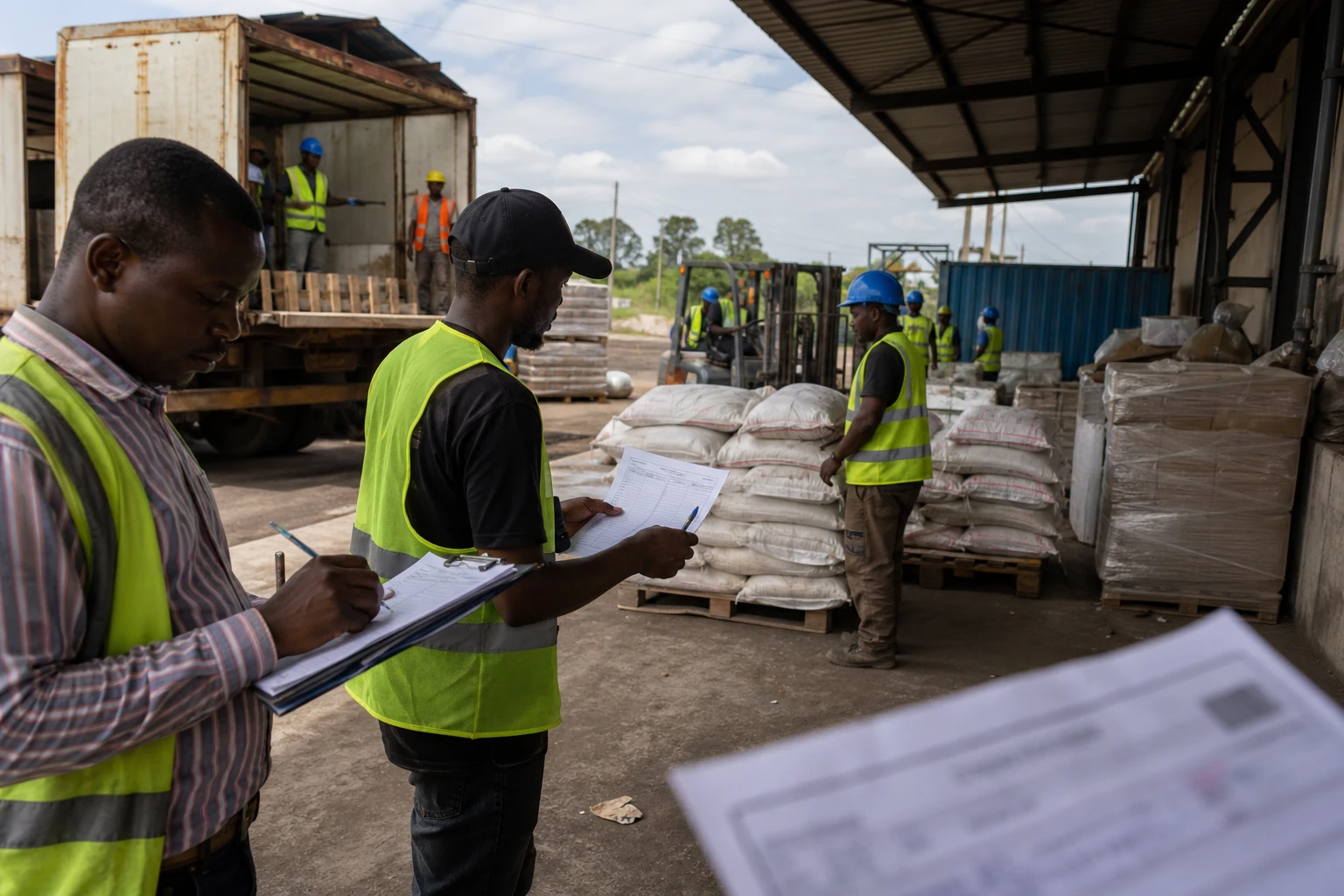
Governance remains central. The CEEC emphasises its certification role in combating the illegal export of precious substances. The Ministry of Foreign Trade, for its part, has begun digitising import and export operations. These tools cannot, on their own, eliminate losses of value, but they signal an effort to regulate the sector more closely, particularly in a country where artisanal gold remains a significant part of production.
What to watch through 2027
The next steps are clear: closing the financing round around 22 September 2026, followed by continued drilling and preparation of the PEA. If the fundraising is completed and the technical results confirm the stated potential, Misisi could become one of the gold projects to watch in the DRC. Otherwise, it will remain one exploration asset among many in a country rich in mining prospects, where industrial processing remains the decisive step.
The stakes extend beyond the DRC at regional level. In the Great Lakes region, gold crosses borders, feeds formal and informal value chains and obliges states to strengthen traceability. For the Southern African Development Community, of which the DRC is a member, as for continental partners, the challenge is the same: to make gold a controlled development resource rather than simply an outflow of capital.