Egypt
 Libya
 Morocco
 Sudan
 Tunisia
 Benin
 Burkina Faso
 Cabo Verde
 Côte d'Ivoire
 Ghana
 Guinea
 Guinea-Bissau
 Liberia
 Mali
 Mauritania
 Niger
 Nigeria
 Senegal
 Sierra Leone
 The Gambia
 Togo
 Cameroon
 Central African Republic
 Chad
 DR Congo
 Equatorial Guinea
 Gabon
 Republic of the Congo
 São Tomé and Príncipe
 Burundi
 Comoros
 Djibouti
 Eritrea
 Ethiopia
 Kenya
 Madagascar
 Malawi
 Mauritius
 Mozambique
 Rwanda
 Seychelles
 Somalia
 South Sudan
 Tanzania
 Uganda
 Angola
 Botswana
 Eswatini
 Lesotho
 Namibia
 South Africa
 Zambia
 Zimbabwe
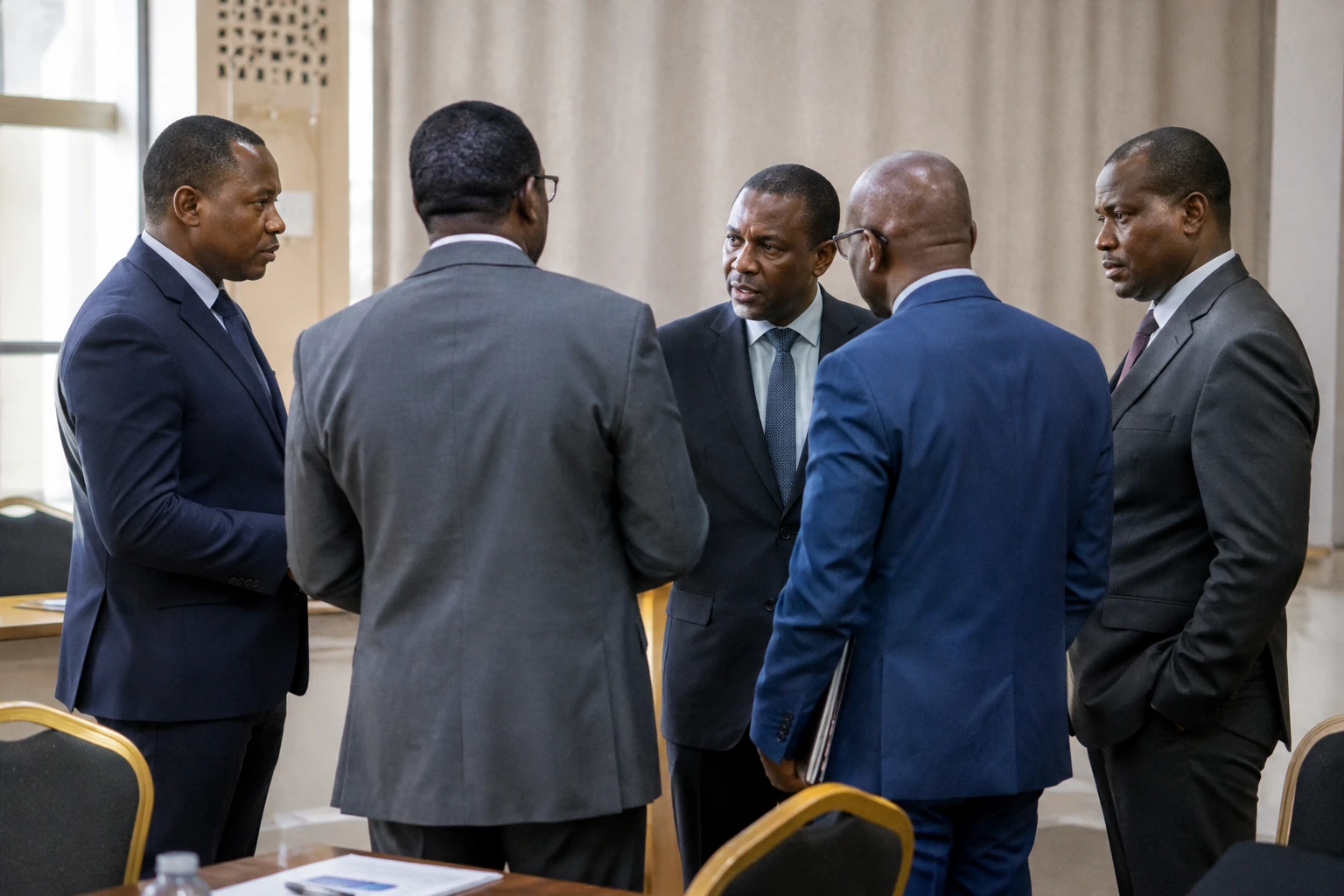
For Niger, the decision marks a new stage in security cooperation with its northern neighbour. For Algeria, it turns a relationship that had previously been diplomatic and military into a direct commitment on Nigerien soil. But a central question remains unanswered publicly: what precise mission will the soldiers have, and where will they be deployed?
Historic vote, but mission still unclear
On 25 October 2026, both chambers of the Algerian parliament approved the deployment of units from the People’s National Army (ANP) to Niger. The Council of the Nation voted unanimously; the National People’s Assembly gave its approval by an absolute majority. The sessions were held behind closed doors. The following day, President Abdelmadjid Tebboune decided to proceed with the deployment to protect the two countries’ shared economic and energy interests. Algerian news agency APS confirmed the Council of the Nation’s vote, while the National People’s Assembly issued its own statement on its approval.
The number of troops involved, the timetable and their deployment locations have not been made public. Algerian authorities present the operation as protecting energy interests and implementing a bilateral agreement. In Algiers, a senator also referred to securing oil infrastructure. These details shed light on the stated objectives, but do not yet define the rules of engagement or the mission’s duration. The Associated Press reports that these parameters remain unknown.
The change is significant for Algeria. Since the 2020 constitutional revision, Article 91 has allowed troops to be sent abroad with the required approval of both chambers. The 25 October vote activates this framework for a deployment to Niger. According to information published by APS and corroborated by the Associated Press, this is Algeria’s first such land deployment since 1973. The decision does not mean that all foreign interventions are now automatic: it sets a concrete precedent for a constitutional power that had previously seen little use.
A border, energy interests and a tense Sahel
Niger and Algeria share a long Saharan border. Security in the northern regions concerns the authorities in Niamey, the communities living there and the economic activities taking place in the area. Cross-border threats, armed groups and trafficking make controls more difficult. But no official details yet establish that Algerian soldiers will be assigned to a particular site or specific operation.
Energy is a tangible concern. Algeria’s Sonatrach is involved in oil exploration in Niger, notably in the Kafra block in the north of the country, alongside Nigerien company Sonidep. The two states also support the Trans-Saharan Gas Pipeline project, which aims to transport gas from Nigeria to Algeria via Niger. The project nevertheless depends on agreements, investment and security conditions: protecting it guarantees neither its completion nor local benefits. The Algerian presidency explicitly linked the deployment to protecting shared economic and energy interests.
For Niamey, such support could strengthen its capacity to secure the country and its infrastructure. It also raises practical questions: who will co-ordinate operations, under whose authority, and how will people in the regions concerned be informed? For Algiers, a military presence could protect investments and increase its influence in the Sahel. However, it exposes its soldiers to an unstable environment and makes Algeria responsible if the mission expands beyond its stated mandate.
This co-operation is part of a bilateral relationship that has grown closer after a period of regional tensions. The two governments signed a military co-operation protocol on 21 October, without publishing its terms. In August, Algeria had already sent military aircraft to Niger amid an attempted mutiny against the authorities in Niamey. Observers also see this as an effort by Algeria to consolidate its influence south of its borders. This interpretation is a matter of strategic analysis; it does not in itself constitute an officially announced mission.
A test for regional relations
Niger belongs to the Alliance of Sahel States (AES), alongside Mali and Burkina Faso. The three countries have distanced themselves from the Economic Community of West African States (ECOWAS), the West African regional organisation, and are seeking to build their own co-operation mechanisms. Algeria is not a member of the AES, but its commitment to Niger could affect the security balance between the Sahel and the Maghreb.
The decision also comes in a region where military partnerships are diversifying. Niger maintains relations with several external actors, while tensions between neighbouring states and the movement of armed groups make border co-ordination crucial. An Algerian presence could complement Nigerien capabilities, but it cannot replace co-operation among Sahelian countries or regional political frameworks. The precedent could also fuel African debates about sovereignty, parliamentary oversight and the conditions under which a foreign army may intervene.
The real significance of this choice will now be measured against information that is still awaited: troop numbers, deployment locations, duration and chain of command. Clarifying these points will make it possible to distinguish a mission limited to protecting infrastructure from a broader security commitment. For residents of northern Niger as well as economic actors, these details will matter as much as the political announcement itself.