Egypt
 Libya
 Morocco
 Sudan
 Tunisia
 Benin
 Burkina Faso
 Cabo Verde
 Côte d'Ivoire
 Ghana
 Guinea
 Guinea-Bissau
 Liberia
 Mali
 Mauritania
 Niger
 Nigeria
 Senegal
 Sierra Leone
 The Gambia
 Togo
 Cameroon
 Central African Republic
 Chad
 DR Congo
 Equatorial Guinea
 Gabon
 Republic of the Congo
 São Tomé and Príncipe
 Burundi
 Comoros
 Djibouti
 Eritrea
 Ethiopia
 Kenya
 Madagascar
 Malawi
 Mauritius
 Mozambique
 Rwanda
 Seychelles
 Somalia
 South Sudan
 Tanzania
 Uganda
 Angola
 Botswana
 Eswatini
 Lesotho
 Namibia
 South Africa
 Zambia
 Zimbabwe
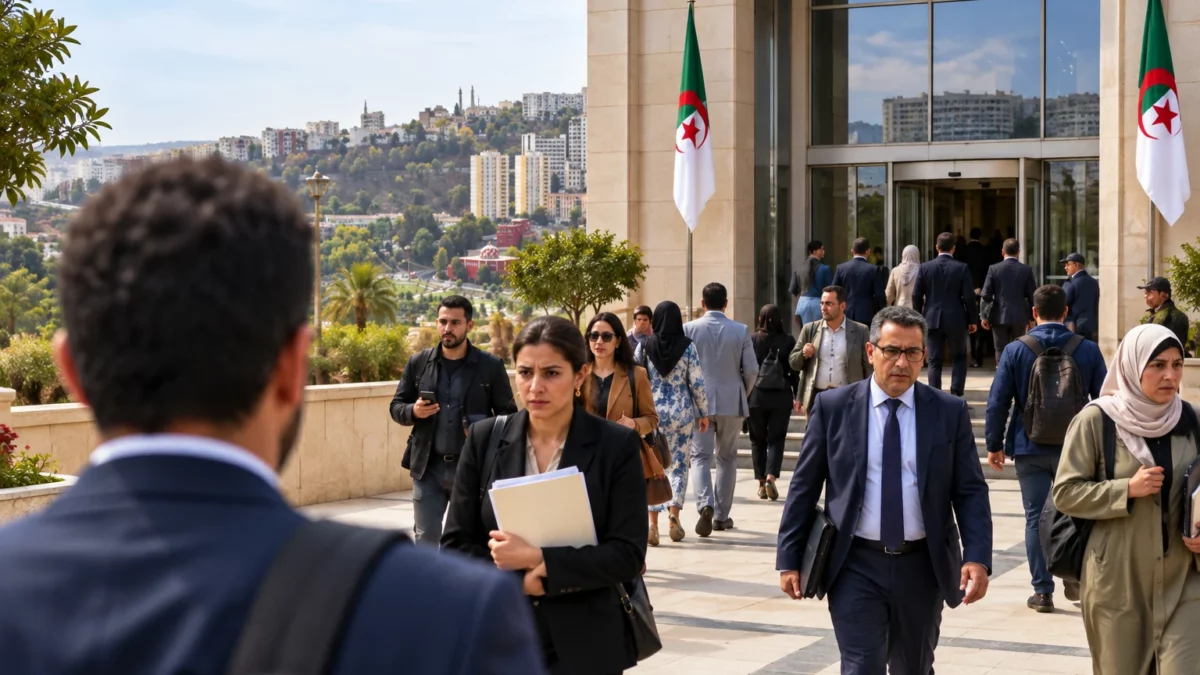
In Algiers and Paris alike, a judicial case can quickly spill beyond the courtroom. The detention of an Algerian consular officer in France has reignited an already established diplomatic dispute, while both governments say they want to preserve channels for dialogue.
Contested arrest, ongoing judicial investigation
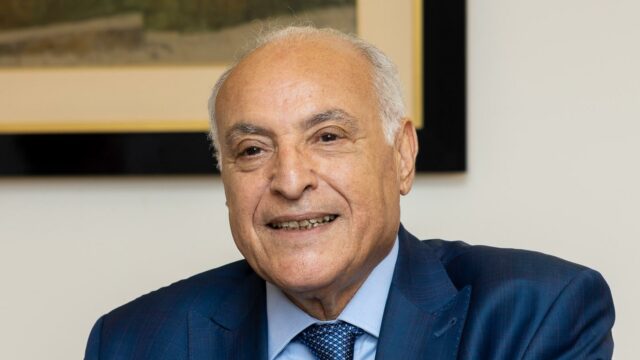
On 26 November 2026 in Algiers, Algerian Foreign Minister Ahmed Attaf denounced the circumstances of the officer’s arrest and detention. He said the man had been thrown to the ground and handcuffed in the street, and had then been mistreated in prison. These are allegations made by the Algerian minister. Available information does not allow them to be independently established.
The man, identified as Smaïl R. in French judicial reports and as “Ismaïl R.” by Algeria’s official APS news agency, was arrested on 8 April 2025. He has been placed under formal investigation in a probe into the alleged abduction in France of Algerian dissident and influencer Amir Boukhors, known as Amir DZ. Being placed under formal investigation means there is evidence warranting an in-depth judicial inquiry; it is not a declaration of guilt.
On 8 July 2026, the Paris Court of Appeal upheld his pre-trial detention. According to reports on the decision, the judges cited, among other things, risks of collusion, pressure on witnesses or evasion of justice. The investigation concerns an abduction that the French justice system dates to April 2024. Amir DZ was held for nearly 27 hours, according to accounts published about the case. These judicial details do not prejudge the officer’s guilt.
For its part, Algeria’s foreign ministry maintains that the individual’s consular status was not respected. Algiers invokes the 1961 Vienna Convention on Diplomatic Relations and the 1963 Vienna Convention on Consular Relations. Paris had not responded to Ahmed Attaf’s allegations in reports available the day after his press conference. The application of these conventions to this specific case is a legal dispute between the two states, not a matter settled by one side’s statement alone.
Another episode in a strained relationship
The case involving the officer has already had diplomatic consequences. In April 2025, following his arrest, Algeria announced the expulsion of 12 French officials. France subsequently responded with reciprocal expulsions. The dispute was part of a broader deterioration in relations, marked by political disagreements and tensions over several bilateral issues.
The chronology has heightened Algerian sensitivities: the arrest took place two days after a visit to Algiers by French Foreign Minister Jean-Noël Barrot, undertaken amid an attempt to ease tensions. Attaf believes the sequence undermined efforts to improve relations. This is the Algerian foreign minister’s interpretation; it does not, in itself, demonstrate a link between the visit and the judicial decision.
The case also intersects with that of Christophe Gleizes, a French journalist detained in Algeria and sentenced to seven years in prison for “apology for terrorism”, a conviction upheld on appeal. The two cases are regularly discussed in the context of bilateral relations, but they are subject to separate judicial proceedings. Treating them as a prisoner exchange would blur that distinction and bring diplomatic pressure to bear on decisions that fall to the courts.
The context also has an economic dimension. On 26 November, Attaf rejected the idea that Algeria uses trade with France as a means of applying pressure. He describes the diversification of suppliers, particularly European ones, as a policy that began before diplomatic relations deteriorated. Paris, for its part, has said it intends to refer the matter of trade restrictions it attributes to Algiers to the European Commission. These opposing accounts illustrate a disagreement affecting both political relations and the implementation of the association agreement between Algeria and the European Union.
Practical effects beyond diplomatic circles
For governments, the detention constrains room for manoeuvre and fuels diplomatic summonses, expulsions and public statements. For citizens, businesses and families travelling between the two countries, strained relations can complicate exchanges and increase uncertainty. The effects are not uniform, however: judicial decisions concern specific individuals, while trade tensions can affect different sectors and businesses.
Diplomatic channels remain open, according to Attaf, who ruled out a fresh escalation and said Algeria would continue working with the French government that emerges from the 2027 presidential election. This position resolves neither the officer’s status nor the trade disputes. Rather, it indicates that both capitals have an interest in maintaining exchanges, even when judicial cases complicate their relationship.
A neighbourhood issue and the law on consular relations
Algeria is a member of the Arab Maghreb Union, a North African regional organisation whose member states have varied relations and priorities. The crisis with France is not a Maghreb dispute, but it resonates in a region where ties with Europe involve human mobility, trade and diplomatic co-operation. At African Union level, the case also serves as a reminder of the importance of common rules to protect consular officers, without their invocation absolving the authorities of the need to respect judicial independence.
The next steps to watch are therefore specific: any French judicial decision on the detention, a possible official response from Paris to the allegations of mistreatment, and the next stage in the trade dispute between Algiers and the European Union. For now, the allegations remain attributed to Ahmed Attaf, while the criminal proceedings continue.
The minister’s statements were published by the French-language service of the Anadolu news agency and the Algerian Ministry of Foreign Affairs. Details about the detention and the Court of Appeal’s decision were cross-checked against coverage of the French judicial proceedings. The context surrounding the diplomatic expulsions was also verified with the Associated Press. Algeria’s positions on economic exchanges were reported by Algérie Éco.