Algeria
 Egypt
 Libya
 Morocco
 Sudan
 Tunisia
 Benin
 Burkina Faso
 Cabo Verde
 Ghana
 Guinea
 Guinea-Bissau
 Liberia
 Mali
 Mauritania
 Niger
 Nigeria
 Senegal
 Sierra Leone
 The Gambia
 Togo
 Cameroon
 Central African Republic
 Chad
 DR Congo
 Equatorial Guinea
 Gabon
 Republic of the Congo
 São Tomé and Príncipe
 Burundi
 Comoros
 Djibouti
 Eritrea
 Ethiopia
 Kenya
 Madagascar
 Malawi
 Mauritius
 Mozambique
 Rwanda
 Seychelles
 Somalia
 South Sudan
 Tanzania
 Uganda
 Angola
 Botswana
 Eswatini
 Lesotho
 Namibia
 South Africa
 Zambia
 Zimbabwe
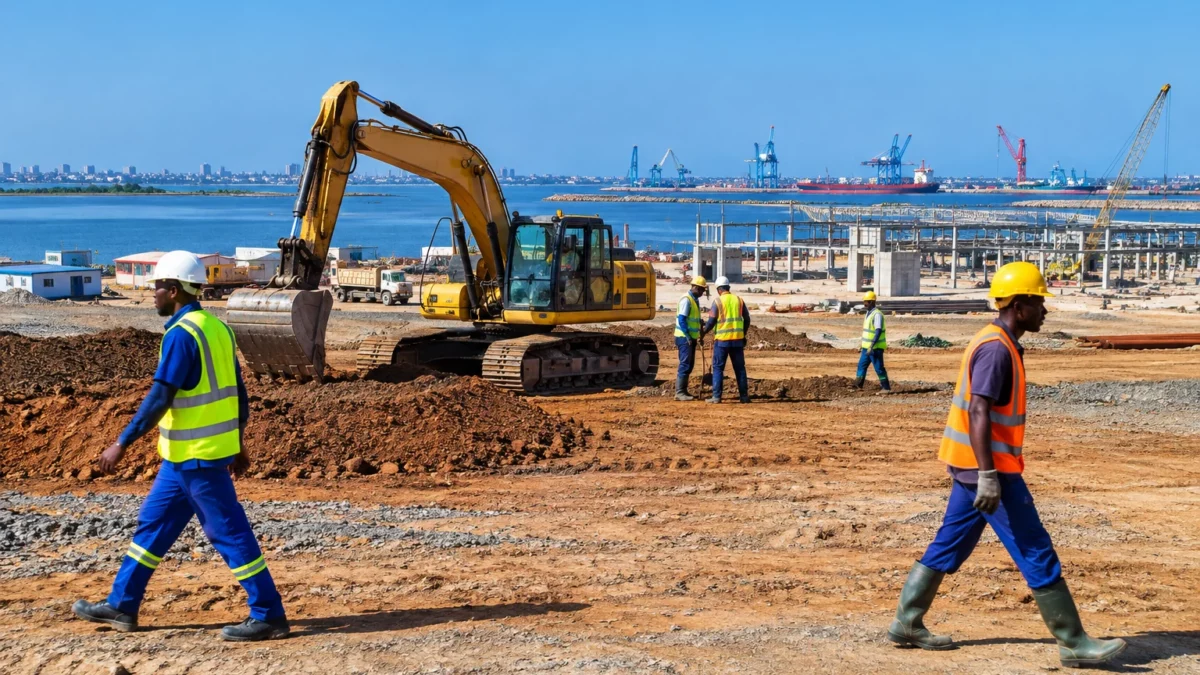
For energy operators, the challenge does not end with the discovery of a deposit or the construction of a facility. Equipment must also be transported, stored and transferred to operating sites. Africa Global Logistics (AGL) aims to position itself in this part of the logistics chain with a complex under construction in Locodjro, in the Abidjan District.
A hub at the heart of logistics needs
Presented by AGL Côte d’Ivoire during the second edition of the International Exhibition of Extractive Resources and Energy (SIREXE), from 18 to 22 November 2026, the Locodjro Industrial Complex is set to bring together services for the oil, gas and oil services sectors on a single site. The exhibition is being held at the Abidjan Exhibition Centre and focuses in particular on the infrastructure needed to develop the extractive and energy industries. The official SIREXE 2026 programme confirms its dates and theme.
According to the specifications provided by the company, the project includes 7.5 hectares of hardstanding spread across three platforms. It would include storage and handling areas, workshops, warehouses and offices. A 200-metre quay, with a planned draught of 10 metres, is also intended to enable operations by lagoon. AGL says the site will also have road access.
These dimensions and the announced equipment describe a project still under construction, not infrastructure that is already operational. The company has not made public, in the information presented, a precise opening timetable or a detailed investment amount. Asta-Rosa Cissé, regional director of AGL Côte d’Ivoire-Burkina Faso, describes it as an investment of “several million euros” without specifying the amount.
An evolving Ivorian sector
The project comes at a time of change in domestic hydrocarbon production. The start of production from the second phase of the offshore Baleine field in December 2024 contributed to an increase in crude oil production in the first half of 2025, according to an economic and financial report published by the Directorate-General for Budget and Finance. The economic and financial report on Côte d’Ivoire records growth of 35.5% over this period.
This increase alone does not capture the sector’s needs. Energy projects require specialised equipment, parts, teams and regular flows between ports, logistics bases and operating sites. By bringing these operations together, AGL says it aims to reduce cargo transfers and simplify co-ordination between the parties involved. These are benefits anticipated by the company; their scale will depend in particular on the site’s ability to operate as planned and integrate with existing infrastructure.
At Locodjro, lagoon access is central to the announced plan. It could complement road transport, but the practical arrangements for using the quay, the traffic it is intended to serve and measures to manage traffic around the site have yet to be specified. The promise of smoother logistics will also need to be assessed against operators’ needs and local constraints.
Jobs, skills and environmental commitments
AGL presents the complex as a means of developing Ivorian skills. The project is expected to employ dedicated teams and, according to the company, contribute to job creation and training in energy logistics. However, no recruitment figures or timetable were provided in the announcement. The impact on local employment can therefore be assessed more concretely as construction progresses and operations begin.
The company has also announced waste and wastewater management systems, the use of solar energy and reforestation initiatives. These commitments are relevant for an industrial facility located in a coastal and lagoon environment. But their impact will depend on the resources allocated, the monitoring of discharges and the results actually measured. The information available does not yet specify quantified targets or monitoring mechanisms.
The question of local benefits therefore goes beyond the number of jobs created. It also concerns Ivorian companies’ access to subcontracting markets, skills transfer and training for specialised professions. These factors will help determine whether the hub sustainably strengthens national capacity or primarily serves operators’ immediate needs.
A regional issue to watch
Côte d’Ivoire is a member of the Economic Community of West African States (ECOWAS), which brings together countries linked by regional trade and infrastructure. In this context, logistics equipment and services developed in Abidjan could serve activities beyond the Ivorian market alone. It remains to be seen which operators are being targeted and what role the complex intends to play in West African supply chains.
SIREXE, being held in Abidjan from 18 to 22 November, is specifically putting the ability of infrastructure to support African economic development up for debate. The Ivorian government has also presented the exhibition as a forum focused on the local processing of resources and the strengthening of value chains. The Ivorian government’s official presentation of SIREXE places this ambition in the debate on the extractive and energy industries.
For the Locodjro Industrial Complex, the next steps are tangible: completion of construction, commissioning of the quay, details on investment and publication of information on jobs, training and environmental monitoring. The project illustrates a wider challenge for Côte d’Ivoire and the region: supporting the growth of energy activities with local logistics capacity, while making the benefits being promised verifiable.