Algeria
 Egypt
 Libya
 Morocco
 Sudan
 Tunisia
 Benin
 Burkina Faso
 Cabo Verde
 Côte d'Ivoire
 Ghana
 Guinea
 Guinea-Bissau
 Liberia
 Mali
 Mauritania
 Niger
 Nigeria
 Senegal
 Sierra Leone
 The Gambia
 Togo
 Cameroon
 Chad
 DR Congo
 Equatorial Guinea
 Gabon
 Republic of the Congo
 São Tomé and Príncipe
 Burundi
 Comoros
 Djibouti
 Eritrea
 Ethiopia
 Kenya
 Madagascar
 Malawi
 Mauritius
 Mozambique
 Rwanda
 Seychelles
 Somalia
 South Sudan
 Tanzania
 Uganda
 Angola
 Botswana
 Eswatini
 Lesotho
 Namibia
 South Africa
 Zambia
 Zimbabwe
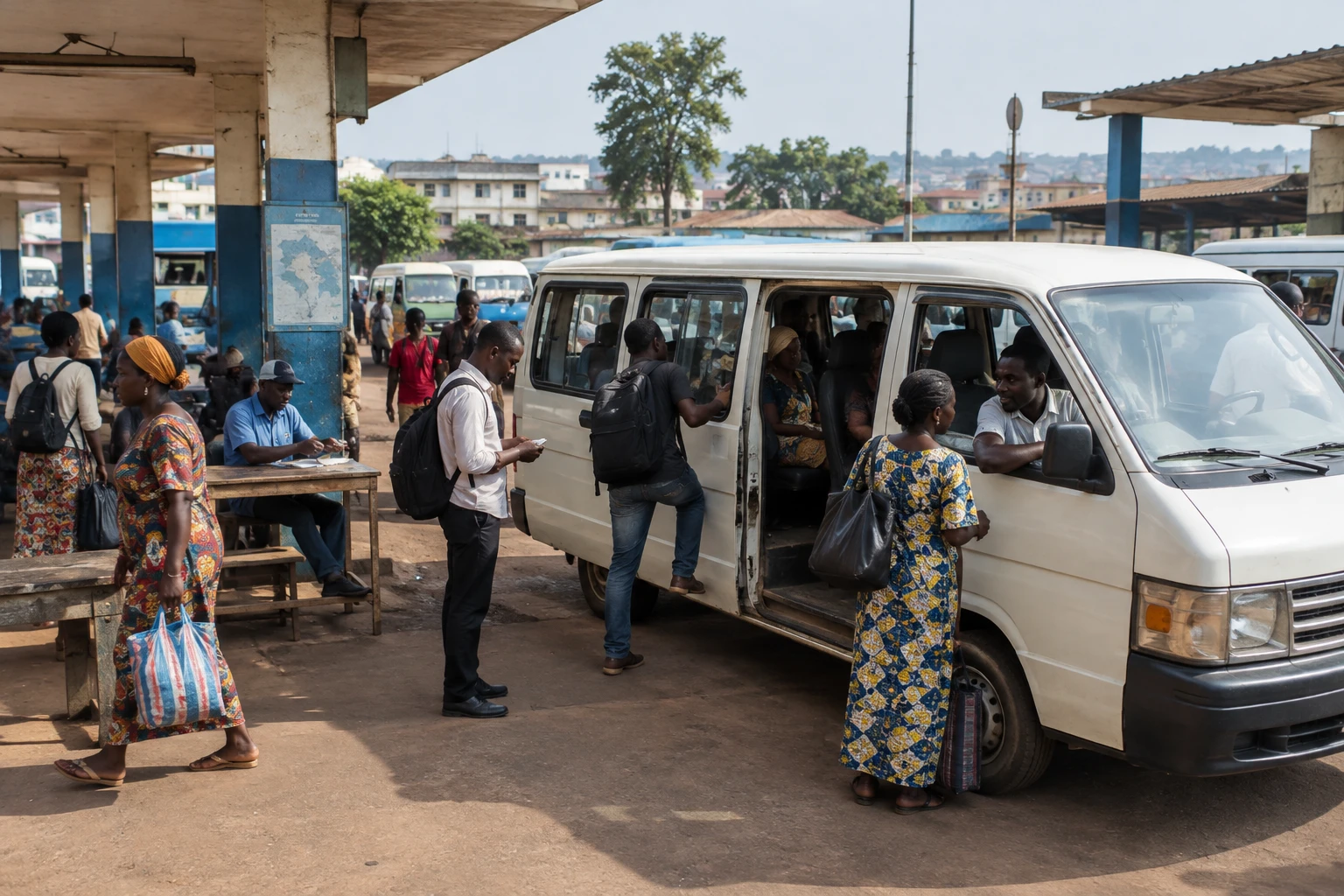
A peacekeeping mission’s withdrawal is measured by more than the number of soldiers who leave. In the Central African Republic (CAR), the central question is who will be able to protect civilians and maintain a public presence in regions where armed groups and regional instability remain a reality.
A mandate to renew, a transition to prepare
The UN Security Council is due to vote on 12 November 2026 on renewing MINUSCA’s mandate, which expires on 15 November. The draft provides for an extension until 15 November 2027. At the time of the announced vote, therefore, no withdrawal has yet been decided; the discussion is about the mission’s duration and evolution.
MINUSCA has been present since 2014, at the heart of the civil war. Its mandate includes protecting civilians and supporting the restoration of state authority. The resolution adopted in November 2025 had already called for an examination of the conditions for gradually transferring certain tasks to the Central African authorities or the UN country team. This transfer must take account of national capacities and the situation on the ground.
This discussion is part of a new political phase. Faustin-Archange Touadéra was sworn in on 30 March 2026. The National Assembly convened its eighth legislature on 4 May, and a new government was formed on 21 May. These institutional milestones do not, however, resolve the challenges of security and state presence outside Bangui.
Progress that does not cover the whole country
The mission closed 21 bases between January and June 2026: seven permanent and 14 temporary facilities in areas MINUSCA considers stabilised. The UN presents this reorganisation as a shift towards a more mobile deployment, able to concentrate its resources where risks remain high. Closing a base does not automatically mean the mission is leaving the country, but it does change how close its forces are to the communities concerned.
Geography matters. The north-eastern regions are exposed to the repercussions of the war in Sudan, while the borders with Chad and the Democratic Republic of the Congo link security in the Central African Republic to cross-border dynamics. In June 2025, the attack on Am-Dafock, in Vakaga prefecture, caused deaths and displaced more than 17,000 people, according to the United Nations. Figures given by the Central African representative to the UN put the death toll at 29. These tolls are a reminder that people in border areas can suffer the consequences of fighting and displacement far beyond their own locality.
In the south-east, abductions attributed to elements of the Lord’s Resistance Army were also reported in 2025. A report by the UN Secretary-General documents renewed activity and abductions in the area. The more detailed figures in the source article — four deaths and about 68 people abducted, including 40 children, between June and September — are not repeated here as established, for lack of sufficiently clear independent confirmation in the sources consulted.
Base closures, a tangible change for residents
For the national authorities, a gradual transition addresses an issue of sovereignty: the state wants to take greater responsibility for security across its territory. But the handover cannot be reduced to replacing one uniform with another. It requires trained personnel, logistical resources, accessible public services and lasting co-ordination between national forces and civilian actors.
The effects of a closure can vary from one place to another. In urban centres, institutions and security forces are generally closer at hand. In remote localities, a base can also serve as a point of contact, a rapid-response capacity or a temporary refuge. Residents, traders and displaced people may therefore feel a reduced presence more directly, especially if mobile patrols do not make up for the distances.
Conversely, the presence of an international mission alone does not guarantee lasting security. The primary responsibility for protecting the population rests with the Central African state. The challenge is to build an orderly handover, based on local risk assessments, rather than set a withdrawal timetable unrelated to the capacities available.
A national debate followed across the region
The Central African Republic belongs to the Central African Economic and Monetary Community (CEMAC), which brings together six countries in economic and monetary co-operation. Security risks at the borders also affect its neighbours and people travelling between countries. For the African Union, the issue raises a broader question: how can a transition to greater national responsibility be supported without creating a gap in civilian protection?
The 12 November vote should therefore be viewed on two levels. First, it will determine the duration of MINUSCA’s mandate. Then, decisions on the transfer of tasks, personnel and deployment will have to show whether political progress translates into greater capacity in remote regions. What happens next will depend less on a general announcement of withdrawal than on the security observed on the ground and the resources actually available to Central Africans.