Algeria
 Egypt
 Morocco
 Sudan
 Tunisia
 Benin
 Burkina Faso
 Cabo Verde
 Côte d'Ivoire
 Ghana
 Guinea
 Guinea-Bissau
 Liberia
 Mali
 Mauritania
 Niger
 Nigeria
 Senegal
 Sierra Leone
 The Gambia
 Togo
 Cameroon
 Central African Republic
 Chad
 DR Congo
 Equatorial Guinea
 Gabon
 Republic of the Congo
 São Tomé and Príncipe
 Burundi
 Comoros
 Djibouti
 Eritrea
 Ethiopia
 Kenya
 Madagascar
 Malawi
 Mauritius
 Mozambique
 Rwanda
 Seychelles
 Somalia
 South Sudan
 Tanzania
 Uganda
 Angola
 Botswana
 Eswatini
 Lesotho
 Namibia
 South Africa
 Zambia
 Zimbabwe
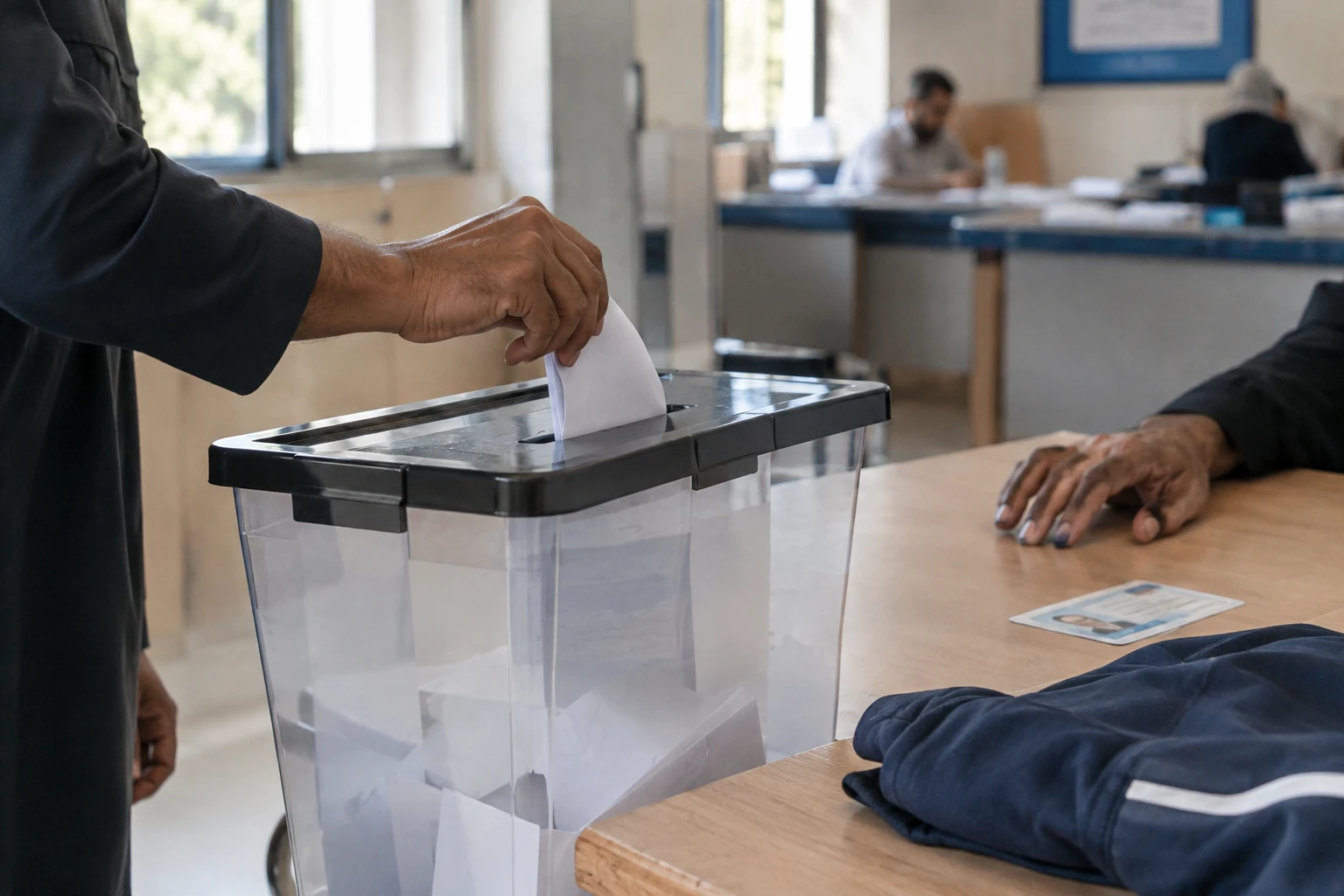
Can a logo worn on shoes or a shirt become a matter of faith, commerce and public authority? In Libya, a religious opinion targeting Nike has reignited debate over the limits between spiritual guidance and a rule that applies to everyone.
A religious opinion, not a state ban
On 1 November 2026, Dar al-Ifta, a religious institution based in Tripoli, issued a fatwa — an opinion interpreting Islamic law — advising Muslims against buying, selling or wearing clothes bearing the Nike logo. The opinion, identified as fatwa number 6697, was approved by Grand Mufti Sadiq al-Gharyani, according to the institution and Libyan media outlet Libya Observer.
Dar al-Ifta bases its argument on the brand’s name, which refers to Nike, the Greek goddess of victory, and on the association of its famous “swoosh” symbol with her wings. The institution considers that wearing this symbol amounts to promoting references to polytheism. This conclusion reflects its religious interpretation; it is not a general legal finding about the logo or consumers’ intentions.
The opinion also accuses Nike of supporting Israel and links this allegation to the boycott call issued by Dar al-Ifta’s research and studies council on 5 November 2023, during the war in Gaza. This is the institution’s allegation. The information consulted does not independently substantiate it. Nike has no official shop in Libya, but its products are offered by local retailers, alongside counterfeit goods, according to information published about the decision.
An influential authority in an institutionally divided country
The reach of the fatwa depends first on Dar al-Ifta’s standing. The institution is based in Tripoli, the capital and political centre of western Libya. Since the fall of Muammar Gaddafi in 2011, the country has remained marked by rival institutions and authorities. The UN secretary-general’s report describes two centres of power and fragmented institutions, while the presidential election scheduled for December 2021 did not take place.
In this context, it is important to distinguish the social influence of a religious opinion from the force of an administrative decision or a law. The fatwa does not impose a nationwide ban on sales and provides for no penalty against people who continue to wear or buy Nike items. Public authorities have not announced any enforcement measure in the information consulted. The position may nevertheless influence the choices of consumers, traders or families who follow the institution’s opinion.
This distinction also matters for sellers. Sports shops and market traders may decide, without any announced state order, to remove certain products to avoid tensions with customers or neighbours. Others may continue to sell them. In the absence of verified data on stock levels and traders’ reactions, the scale of these effects remains unknown.
A recent precedent involving commercial symbols
The position against Nike is not an isolated case. In November 2025, Dar al-Ifta had challenged accessories and watches bearing the four-leaf clover motif associated with Van Cleef & Arpels. The institution linked the symbol to Christian beliefs and the pursuit of good luck, which it deemed incompatible with Islamic teachings. Libya Observer reported the decision at the time.
These opinions show how a religious authority interprets signs found in everyday life and on globalised products. On their own, they do not prove a uniform shift in religious practices across Libyan society. Reactions reported online are divided: some support the decision, while others question its relevance or raise concerns about the priorities of public debate. These reactions do not constitute a representative poll.
The cultural context is also marked by tensions over how public norms are defined. In 2025, restrictions targeting rap, theatre and certain performances were reported in the east of the country, in the name of public morality and Islamic values. Deutsche Welle’s coverage placed these measures in a landscape where the eastern and western authorities exercise separate powers. This precedent does not, however, demonstrate that Dar al-Ifta directed or imposed the restrictions.
Commerce, freedom of choice and regional reach
For Libyan consumers, the immediate issue is concrete: the opinion concerns a widely circulated emblem, but no state ban on the products has been announced. For traders, the question is whether to keep these items on their shelves. For religious leaders, the fatwa asserts a doctrinal interpretation and calls for purchases to be aligned with it. These are different effects and should not be conflated.
The presence of the ancient city of Cyrene in eastern Libya gives this controversy a particular historical backdrop. The region preserves the remains of Greek civilisation, including depictions of Nike. This heritage documents several layers of Libyan history; its presence does not determine how people today should interpret a commercial brand.
Across North Africa, the case illustrates a tension also found in other regional markets: global brands circulate through formal and informal distribution networks, while their symbols may be given local religious or political interpretations. This does not, however, amount to a shared position among neighbouring countries. Libya belongs to the Arab Maghreb Union, but no response from the organisation or regional decision on the issue was identified in the sources consulted.
What happens next will depend less on any announced legal force — the fatwa has none — than on how it is received in shops and public spaces. Religious positions, public-authority directives and individual choices will need to be distinguished. In a Libya where institutions remain fragmented, that distinction is essential to understanding who is speaking, on behalf of which authority and with what practical effects.