
 Egypt
 Libya
 Morocco
 Sudan
 Tunisia
 Benin
 Burkina Faso
 Cabo Verde
 Côte d'Ivoire
 Ghana
 Guinea
 Guinea-Bissau
 Liberia
 Mali
 Mauritania
 Niger
 Nigeria
 Senegal
 Sierra Leone
 The Gambia
 Togo
 Cameroon
 Central African Republic
 Chad
 DR Congo
 Equatorial Guinea
 Gabon
 Republic of the Congo
 São Tomé and Príncipe
 Burundi
 Comoros
 Djibouti
 Eritrea
 Ethiopia
 Kenya
 Madagascar
 Malawi
 Mauritius
 Mozambique
 Rwanda
 Seychelles
 Somalia
 South Sudan
 Tanzania
 Uganda
 Angola
 Botswana
 Eswatini
 Lesotho
 Namibia
 South Africa
 Zambia
 Zimbabwe
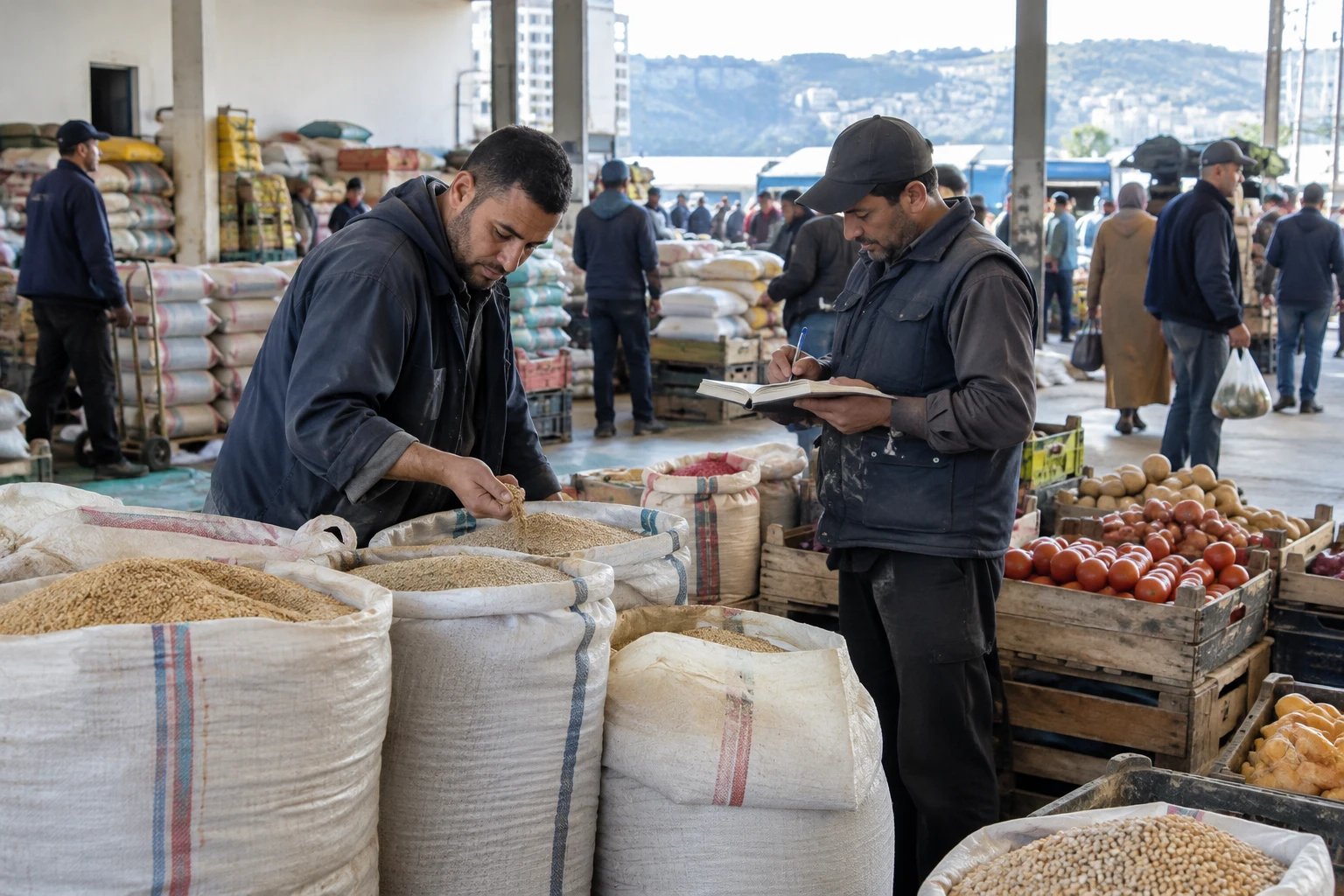
In Algeria, budgetary aid can cushion the cost of essential goods without removing the pressure people feel at the checkout. The 2027 draft finance bill highlights this social choice, while leaving open a decisive question: how can this support be financed sustainably?
Targeted transfers within a broader effort
Presented to the National People’s Assembly (APN), the 2027 draft finance bill (PLF) provides for 2,414.15 billion dinars in transfers to individuals. This amounts to about $18.5 billion, according to estimates published in Algeria. It does not represent all social transfers: these would reach 4,415.35 billion dinars in payment appropriations, meaning sums planned to be actually disbursed.
This distinction matters. Transfers to individuals make up part of the overall allocation, which also includes other aid and spending. The draft earmarks 717.7 billion dinars in particular to support widely consumed goods. Cereals, milk, desalinated water and price stabilisation for sugar, oil and coffee are among the items mentioned.
The figures were presented by Finance Minister Mohammed Lamine Lebbou as MPs examined the bill. The PLF remains a draft subject to parliamentary debate: the announced amounts should therefore not be confused with spending that has already taken place.
Purchasing power between public support and market prices
Subsidies are being used at a time when food costs are weighing on family budgets. According to data from the National Statistics Office cited in the available material, food prices rose by 9.54% between August 2025 and August 2026. This figure describes a 12-month change; it does not mean that all products rose at the same rate.
Aid can limit the price increase paid by consumers for certain goods. But its effect depends on product availability, distribution and the implementation of support mechanisms. Households that spend a large share of their income on day-to-day expenses are particularly affected. Merchants and producers, meanwhile, operate in a system where price regulation must coexist with the costs of supply and production.
The PLF also provides for 125,675 budgeted posts to be filled. This total combines newly created posts with recruitment to already vacant posts: it therefore does not represent 125,675 newly created jobs. The education, health and other public-service sectors are concerned. For users, the question will be whether these staff numbers actually strengthen services, particularly outside major urban centres.
Revenue falls short of planned spending
The draft forecasts revenue of 9,251.1 billion dinars and spending of 17,882.6 billion dinars in payment appropriations. This gap underscores the funding constraint. The forecasts are based in particular on a fiscal reference price for oil of $60 a barrel and a market assumption of $70. The budget therefore remains exposed to fluctuations in hydrocarbon revenue, even as the government also sets out an aim of diversification.
Economic growth is estimated at 4.2% in 2027. Highlighted investments include the Gara Djebilet iron ore deposit, the integrated phosphate project and the railway line linking Algiers to Tamanrasset. These projects could support activity and domestic trade. Their impact will, however, depend on their completion, cost and capacity to generate lasting benefits beyond the sectors directly involved.
The budgetary approach therefore combines immediate support for households, operating expenditure and longer-term investment. It will be necessary to monitor not only the appropriations approved but also their implementation and tangible results: access to services, availability of subsidised goods and posts actually filled.
A national issue that extends beyond borders
In North Africa, Algeria operates in a region where trade and economic diversification remain important issues. The Arab Maghreb Union (AMU), a regional organisation bringing together several North African countries, provides the institutional framework for the Maghreb, although regional economic cooperation remains limited. Algeria’s choices on public spending, infrastructure and production outside the hydrocarbons sector are therefore part of a broader debate on the resilience of the region’s economies.
The next step will be parliamentary examination of the PLF and the possible adoption of its provisions. For Algerians, the key indicator will not simply be the amount entered in the budget: it will be how these appropriations affect prices, employment and the quality of public services, as well as the state’s ability to finance them over time.



