Algeria
 Egypt
 Libya
 Morocco
 Sudan
 Tunisia
 Benin
 Burkina Faso
 Cabo Verde
 Côte d'Ivoire
 Ghana
 Guinea
 Guinea-Bissau
 Liberia
 Mali
 Mauritania
 Niger
 Nigeria
 Sierra Leone
 The Gambia
 Togo
 Cameroon
 Central African Republic
 Chad
 DR Congo
 Equatorial Guinea
 Gabon
 Republic of the Congo
 São Tomé and Príncipe
 Burundi
 Comoros
 Djibouti
 Eritrea
 Ethiopia
 Kenya
 Madagascar
 Malawi
 Mauritius
 Mozambique
 Rwanda
 Seychelles
 Somalia
 South Sudan
 Tanzania
 Uganda
 Angola
 Botswana
 Eswatini
 Lesotho
 Namibia
 South Africa
 Zambia
 Zimbabwe
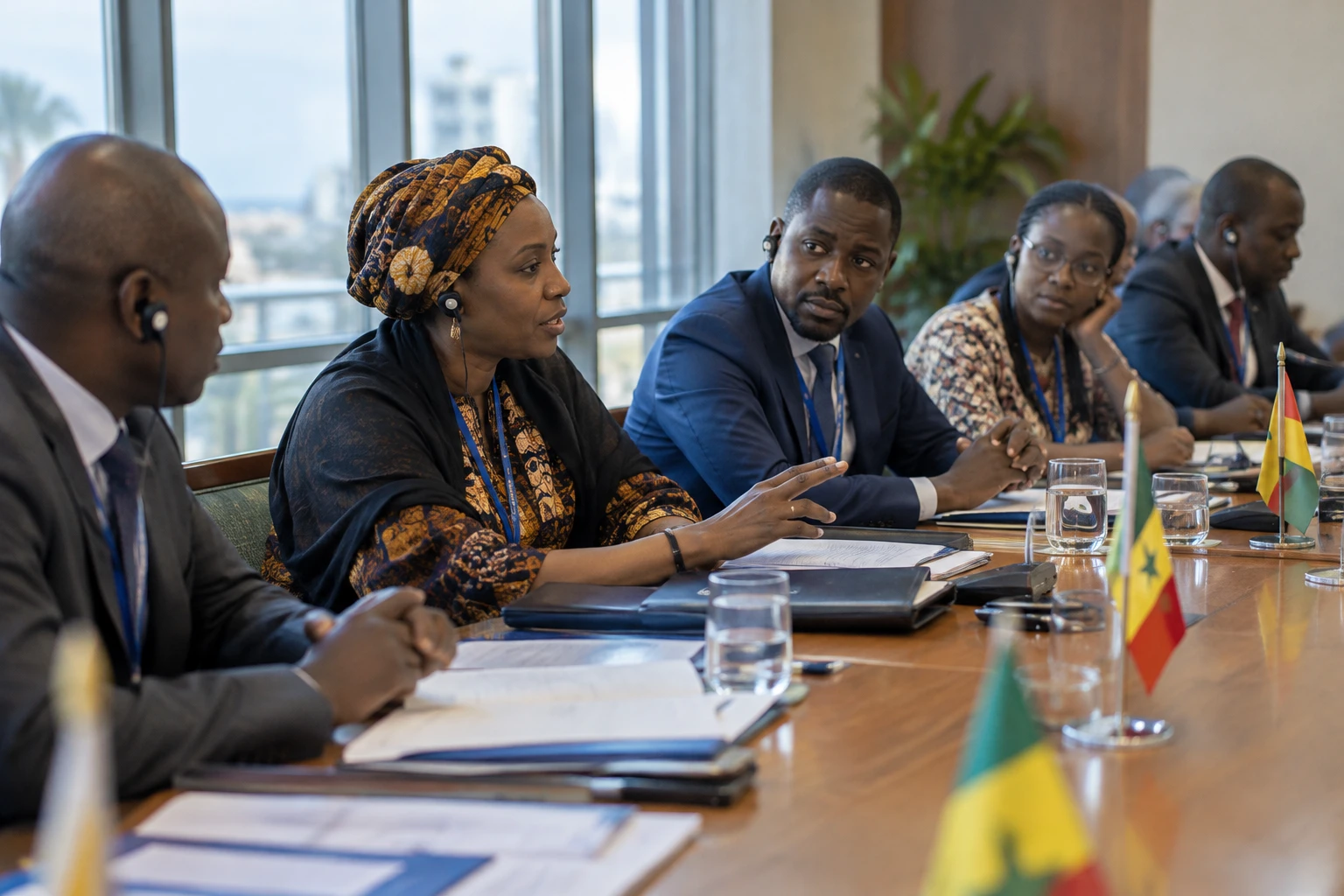
In Dakar and across the regions, recommending screening is not enough if the necessary examination remains difficult to afford or access. For women in Senegal, access to mammography depends as much on health facilities as on the cost of the journey to diagnosis.
A public health challenge beyond Pink October
Breast cancer is the most common cancer among women in Senegal. National estimates based on GLOBOCAN, the database of the International Agency for Research on Cancer, record 1,838 new cases in 2022 and 976 deaths. These figures are estimates, not an exhaustive count from a national registry covering every case.
A more recent figure is circulating in public debate, however. At the launch of the 2026 Pink October campaign, Fatma Guenoune, president of the Senegalese League Against Cancer (LISCA), cited around 2,220 new cases and more than 1,300 deaths a year. These figures, reported by RTS and picked up by the Senegalese press, do not match the GLOBOCAN estimate for 2022. The periods and calculation methods may differ, so the figures should be attributed and not presented as a directly comparable statistical series.
This caution does not lessen the urgency. The available data point to a significant burden for patients, their loved ones and health services. They also highlight the importance of strengthening registries and tracking care pathways to better measure changes over time.
Screening does not end with the examination
A mammogram is an imaging examination that can identify certain breast abnormalities. But access to this examination is only one step. If the result is suspicious, a woman may need further tests, such as an ultrasound or biopsy, followed by a specialist consultation. Fees, travel and the time required can all add up.
Senegal’s Ministry of Health provides for early detection based in particular on information, clinical examination and referral to appropriate facilities. Its protocol states that 2022 estimates make breast cancer the country’s leading cancer among women by incidence. It also highlights the burden of late diagnoses. The challenge is therefore to link awareness campaigns with care that is genuinely accessible.
The exact price of a mammogram is not uniform: it depends in particular on the facility and the arrangements for covering the cost. One-off campaigns can make access easier, but they are no substitute for regular services. Women who can travel to a centre in Dakar do not face the same constraints as those living far from equipment, who have to arrange transport or lose a day’s work.
The consequences go beyond the cost of the medical imaging. An initial consultation, a follow-up examination and an additional journey can slow the care pathway. For women working in the informal economy, taking time off can also mean giving up a day’s income. In households, decisions about care can sometimes draw on time and resources shared with other needs.
Between national announcements and regional disparities
The authorities say they want to expand screening services in the regions. In 2025, the Ministry of Health announced plans to strengthen these services and widen access to campaigns. In September 2026, RTS reported the announcement of a future centre dedicated to screening for women’s cancers at Dalal Jamm Hospital in Guédiawaye, near Dakar. The impact of these initiatives will depend on their timetable, equipment and capacity to refer patients and then follow up with them.
LISCA also runs awareness and screening activities. For Pink October 2026, the league announced consultations at its headquarters, with support for women presenting abnormalities. These initiatives by civil society organisations can complement public services and support patients. They cannot, however, replace a sustainable, funded policy that is accessible across Senegal’s regions.
The central issue is continuity: a campaign can raise awareness of screening, but appointments, functioning equipment, health professionals and access to confirmatory tests must follow. Without this follow-through, screening risks remaining a one-off promise, particularly for women far from major urban centres.
A regional challenge for health system capacity
In Senegal, a member of ECOWAS — the organisation for cooperation among West African states — access to diagnosis is linked to challenges facing several health systems in the region: unevenly distributed equipment, a need to strengthen data collection and a gap between prevention and treatment. This does not mean that national situations are identical. Senegal must address its own disparities between Dakar and other parts of the country.
The next step will be measured less by the number of pink ribbons than by the ability of facilities to offer examinations beyond campaign periods, refer women quickly and reduce financial and geographical barriers. Only then can calls for screening translate into effective access to care for women in Senegal.