
 Egypt
 Libya
 Morocco
 Sudan
 Tunisia
 Benin
 Burkina Faso
 Cabo Verde
 Côte d'Ivoire
 Ghana
 Guinea
 Guinea-Bissau
 Liberia
 Mali
 Mauritania
 Niger
 Nigeria
 Senegal
 Sierra Leone
 The Gambia
 Togo
 Cameroon
 Central African Republic
 Chad
 DR Congo
 Equatorial Guinea
 Gabon
 Republic of the Congo
 São Tomé and Príncipe
 Burundi
 Comoros
 Djibouti
 Eritrea
 Ethiopia
 Kenya
 Madagascar
 Malawi
 Mauritius
 Mozambique
 Rwanda
 Seychelles
 Somalia
 South Sudan
 Tanzania
 Uganda
 Angola
 Botswana
 Eswatini
 Lesotho
 Namibia
 South Africa
 Zambia
 Zimbabwe
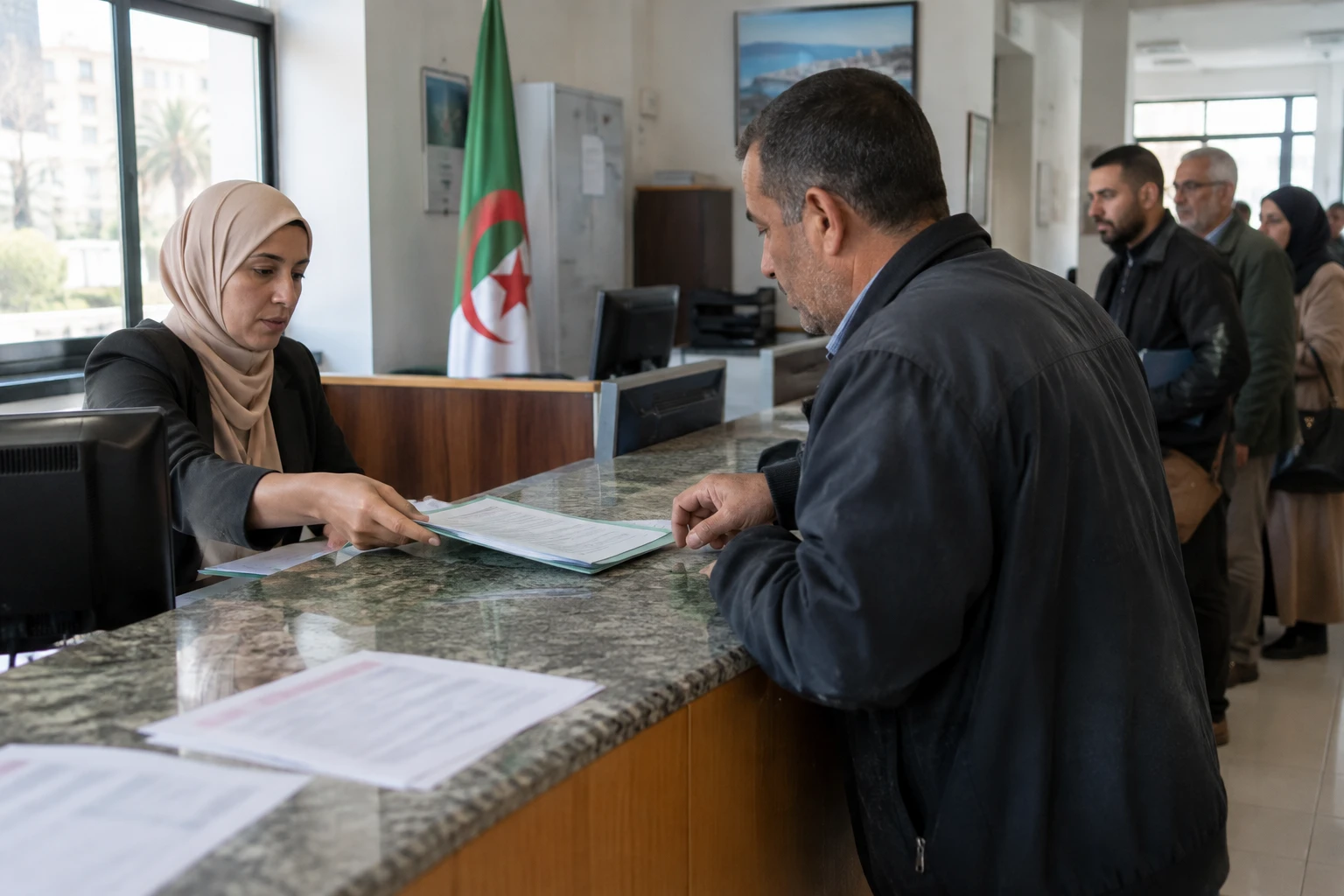
For Algeria, importing meat meets an immediate need: supplying the market and limiting price pressures. But the issue goes beyond buying livestock. The agreements signed in Algiers with Spanish organisations raise a fundamental question: how can a supply relationship be turned into cooperation that benefits the local sector?
A market shaped by imports and domestic production
Red meat plays an important role in Algerian diets and agricultural trade. Demand is particularly evident during peak periods, notably Ramadan and Eid al-Adha. To meet these spikes, the authorities combine purchases from abroad, customs measures and projects to develop domestic livestock farming.
In January 2026, President Abdelmadjid Tebboune decided to import one million sheep ahead of Eid al-Adha. The announcement was reported by Algeria Press Service (APS). The operation relied on several supplier countries, including Spain, Romania, Brazil and Uruguay, according to reports by Algerian public radio and the national press. Diversification reduces dependence on a single supplier, but requires sound health, logistics and commercial arrangements.
At the same time, Algeria’s 2026 Finance Law extends until 31 December a 5% customs duty rate on certain imports of live cattle and sheep intended for slaughter, as well as some fresh or chilled meat. The measure is intended to facilitate supply. It does not, however, mean that imports alone are enough to stabilise prices in the long term: these also depend on transport costs, local supply and distribution channels.
Two agreements signed in Algiers
Against this backdrop, Spanish representatives from the sheep, goat and cattle meat sector visited Algeria from 4 to 6 October 2026. On 5 October, organisations from both countries signed two cooperation agreements in Algiers. APS and Algerian media outlet Algérie 54 confirmed the meeting and the signing.
The first agreement brings together the Algerian Red Meat Company (ALVIAR), part of the state-owned Agro Logistique group, and the Spanish organisations INTEROVIC and PROVACUNO. The second links those organisations with the National Union of Red Meat Importers. The agreements establish a framework for cooperation between operators. Available announcements refer in particular to sharing information and experience, and bringing professionals closer together; at this stage, they do not support the conclusion that specific investments have been created or allow their impact to be quantified.
Spain already has a significant position in trade. According to international trade data drawn from UN figures, its exports to Algeria of fresh, chilled or frozen sheep and goat meat reached about $151m in 2025. This figure points to a strong commercial relationship in this segment, but does not in itself show what share of Algerian consumption these products cover or how sales are distributed across the country.
From meat sales to skills transfer?
For Spanish exporters, the partnership could consolidate access to a neighbouring market on the southern shore of the Mediterranean. For Algeria, its value will depend on the ability to extend cooperation beyond shipments. Areas cited by sector participants — livestock farming, animal health, herd improvement, slaughter, the cold chain and transport — cover several stages of the supply chain.
Any such investments would have different effects on different participants. Importers could gain greater visibility on market opportunities and rules. Algerian livestock farmers could benefit from new outlets or expertise if training and partnership projects become concrete. Regional slaughterhouses and transport companies could also be involved. For consumers, the impact would depend in particular on the regularity of supply and whether cost savings are actually passed on to retail prices.
Local development therefore remains the decisive test. Cooperation limited to streamlining overseas purchases would strengthen supply, but would not necessarily reduce dependence. By contrast, partnerships supporting local fattening, modernised equipment and product preservation could complement domestic production. Their success will depend on the investments actually made, how well they are adapted to the regions concerned and the role afforded to Algerian livestock farmers.
Supply policies also have consequences beyond major operators. In cities, consumers and retailers feel price fluctuations directly. In rural areas and the High Plateaux, where livestock farming is an economic activity, competition from imported products can put pressure on producers if costs or market conditions are unfavourable to them. The public policy challenge is to reconcile availability for households with the viability of local livestock farming.
A Maghreb issue to watch
At regional level, Algeria belongs to the Arab Maghreb Union (AMU), which also comprises Libya, Morocco, Mauritania and Tunisia. The organisation promotes a project of economic integration, but the agreements announced here are bilateral, between Algeria and Spain: they do not constitute a Maghreb trade arrangement. Rather, they illustrate the role of Mediterranean relations in supplying and transforming North African industries.
Progress will be measured by concrete indicators: projects launched, operators involved, investments made and results for domestic production. The two agreements bring institutions and professionals closer together; on their own, they guarantee neither an increase in local livestock farming nor lower prices. In Algeria, the balance between supply security, supplier diversification and strengthening the domestic sector remains the real challenge.
Sources for verification: APS report on the agreements signed in Algiers, Algérie 54 report, Radio Algeria information on customs measures and announcement of the import of one million sheep.



