Egypt
 Libya
 Morocco
 Sudan
 Tunisia
 Benin
 Burkina Faso
 Cabo Verde
 Côte d'Ivoire
 Ghana
 Guinea
 Guinea-Bissau
 Liberia
 Mali
 Mauritania
 Niger
 Nigeria
 Senegal
 Sierra Leone
 The Gambia
 Togo
 Cameroon
 Central African Republic
 Chad
 DR Congo
 Equatorial Guinea
 Gabon
 Republic of the Congo
 São Tomé and Príncipe
 Burundi
 Comoros
 Djibouti
 Eritrea
 Ethiopia
 Kenya
 Madagascar
 Malawi
 Mauritius
 Mozambique
 Rwanda
 Seychelles
 Somalia
 South Sudan
 Tanzania
 Uganda
 Angola
 Botswana
 Eswatini
 Lesotho
 Namibia
 South Africa
 Zambia
 Zimbabwe
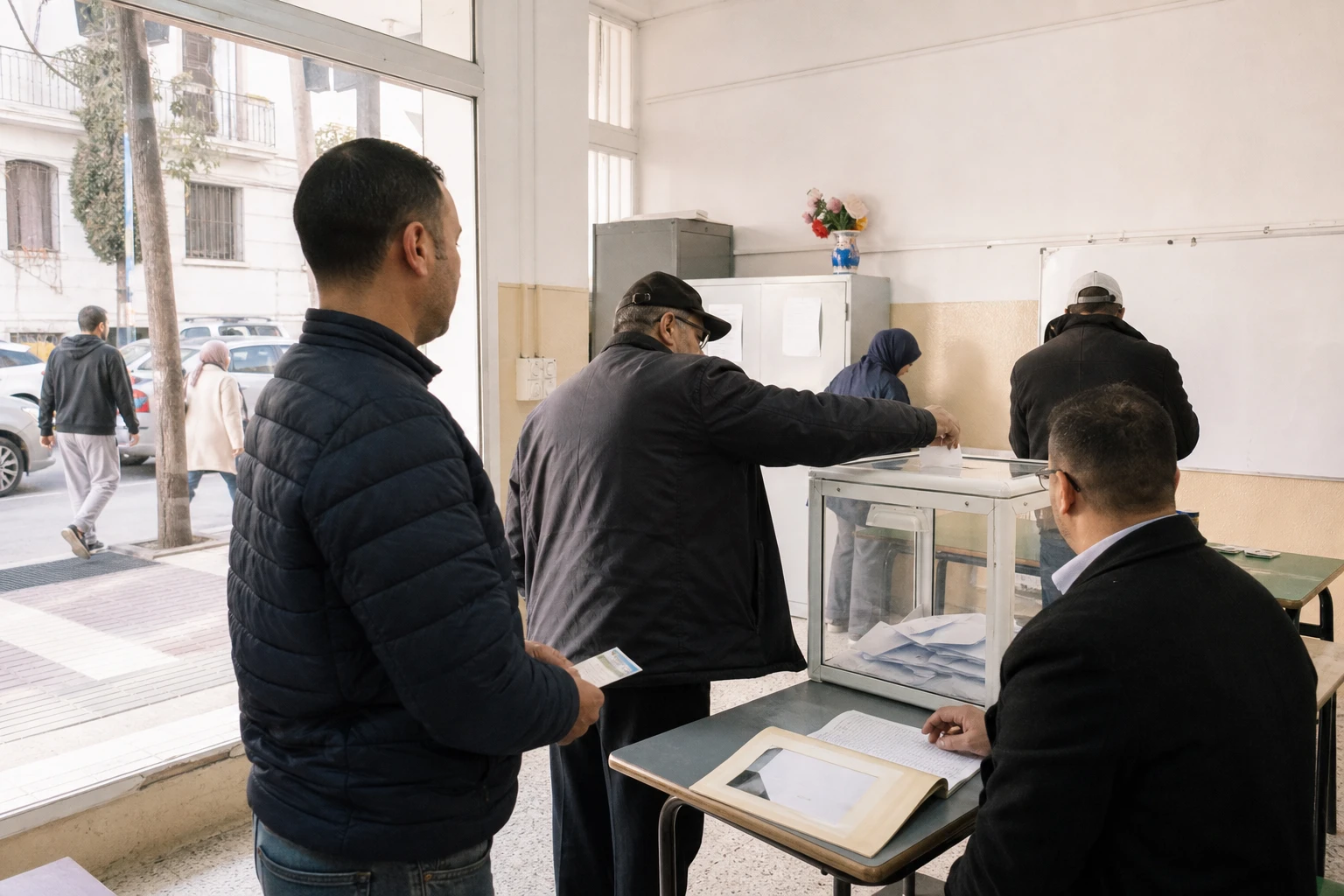
In Algiers, as in other Algerian cities, what goes into the food basket is increasingly a matter of trade-offs. When tomatoes rise from around 20 dinars at the farm gate to nearly 140 dinars for consumers, the issue is no longer just the harvest. It concerns the entire chain linking the producer, the wholesale market and the neighbourhood stall.
Rising prices put household budgets under strain
President Abdelmadjid Tebboune put the issue at the centre of his regular interview with the national press, broadcast on Saturday 3 October 2026. His remarks came after several weeks of rising prices for fruit, vegetables and some food products.
Prices in markets vary according to the city, the quality of produce and supply routes. Figures published by several Algerian media outlets show potatoes costing more than 100 dinars per kilogram at several outlets, with prices reaching 130 to 150 dinars in some Algiers neighbourhoods. Tomatoes, meanwhile, have been selling for around 170 to 200 dinars at some stalls.
These figures do not represent a single national price. They describe situations observed locally. This distinction matters in a large country where transport costs, storage conditions and the distance between agricultural regions and major cities can significantly affect the final price.
The pressure is felt first by households that spend a large share of their income on food. It also affects small retailers, caught between the purchase price, operating costs and the need to retain customers. In working-class neighbourhoods and urban centres alike, an increase of a few dozen dinars for an everyday product eventually weighs on a household’s spending over the entire month.
The president targets margins between production and sale
In his remarks, Abdelmadjid Tebboune distinguished between difficulties that may stem from agricultural supply and price rises that he attributes to excessive mark-ups. He cited the example of a tomato sold by the farmer for around 20 dinars and then offered to consumers for as much as 140 dinars.
The Algerian president called this situation a “crime against the people” and promised a firm response to speculative practices. He also disputed claims that the increase was unprecedented in several decades, saying such assertions were exaggerated.
In this context, the government announced a cap on the price of potatoes. The retail price was set within a range of 80 to 90 dinars per kilogram, according to the terms communicated to trade officials. The stated aim is to reduce price gaps between producers, wholesalers and retailers while maintaining supply.
The measure follows an approach already used by the Algerian authorities for some widely consumed products. It does not, however, automatically resolve distribution problems. A price cap is effective only if volumes are available, checks are regular and traders have genuine access to wholesale markets and producers.
The limits of a response focused on intermediaries
Condemning excessive margins addresses a concern clearly visible in markets. But on its own, it is not enough to explain the full trajectory of prices. Agricultural production remains exposed to fires, heatwaves, water shortages, transport difficulties and limited storage capacity.
Forest fires recorded over the summer affected some rural and agricultural areas. Their precise impact on national supply must, however, be assessed by sector and region. A local fall in production does not necessarily mean a general shortage. It can nevertheless cause rapid pressure when stocks are limited or replacement supply routes are costly.
Storage is another sensitive issue. Cold stores can help regulate supply between harvests. But they also become a link in the chain that must be monitored when produce is held back in anticipation of higher prices. The challenge for the authorities is therefore to distinguish storage needed to keep the market supplied from withholding stock intended to drive up prices.
For farmers, the gap between the price at the farm gate and the price paid in cities has long been a source of frustration. Producers bear the costs of seeds, fertilisers, irrigation, labour and fuel. Yet they do not always control the final stage of marketing. A lasting response should therefore improve the traceability of transactions and reduce information gaps between the different players.
A national issue that extends beyond Algiers’ markets
The government’s response will be watched well beyond the capital. In agricultural regions, producers are looking for profitable and predictable outlets. In inland cities, consumers may pay more because of transport costs and a less diverse supply. In rural areas, access to markets and storage facilities remains a decisive factor.
The issue is also an economic one. Algeria is seeking to strengthen domestic production and limit its dependence on imports while protecting household incomes. These objectives can complement one another, but they require a coherent policy. Prices that are too low for producers can discourage investment. Prices that are too high for consumers can reduce demand and increase social tensions.
At the regional level, this debate reflects challenges shared by the countries of the Maghreb. The Arab Maghreb Union, a regional organisation that includes Algeria, Tunisia, Libya, Morocco and Mauritania, among others, remains poorly integrated economically. Cross-border agricultural trade and the movement of goods could help cushion some seasonal pressures, provided they are based on clear rules and robust health checks.
In the immediate term, the next indicators will be concrete: changes in potato prices after the cap, actual availability in markets, checks carried out in the wilayas and the level of margins between the different intermediaries. The president’s promise of a rapid price fall will thus be tested against what is happening at market stalls and the daily budgets of Algerian families.