Algeria
 Egypt
 Libya
 Morocco
 Sudan
 Tunisia
 Benin
 Burkina Faso
 Cabo Verde
 Côte d'Ivoire
 Ghana
 Guinea
 Guinea-Bissau
 Liberia
 Mali
 Mauritania
 Niger
 Nigeria
 Senegal
 Sierra Leone
 The Gambia
 Togo
 Cameroon
 Central African Republic
 Chad
 Equatorial Guinea
 Gabon
 Republic of the Congo
 São Tomé and Príncipe
 Burundi
 Comoros
 Djibouti
 Eritrea
 Ethiopia
 Kenya
 Madagascar
 Malawi
 Mauritius
 Mozambique
 Rwanda
 Seychelles
 Somalia
 South Sudan
 Tanzania
 Uganda
 Angola
 Botswana
 Eswatini
 Lesotho
 Namibia
 South Africa
 Zambia
 Zimbabwe
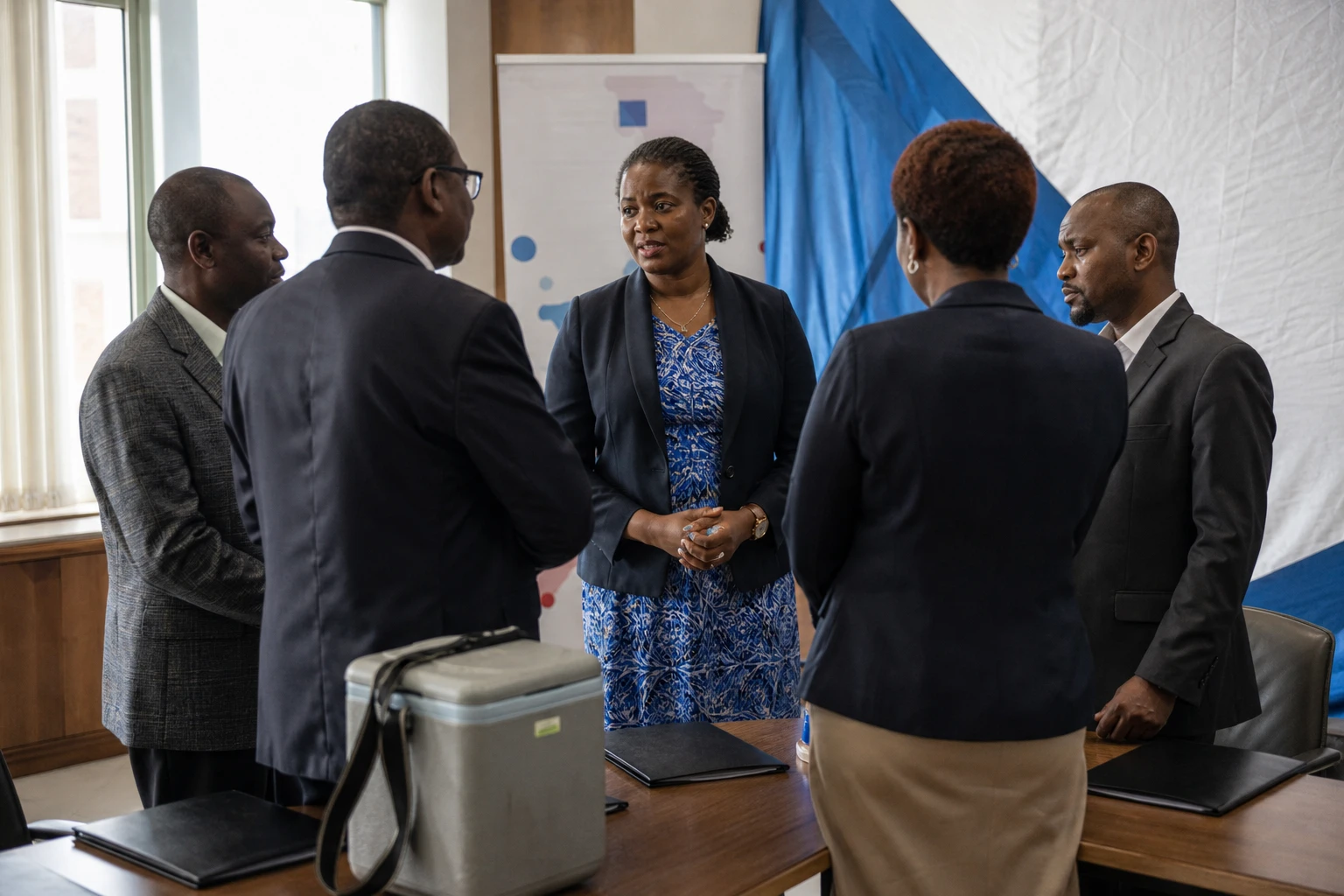
In several parts of Africa, the health challenge is no longer simply having vaccines available. Children outside the care system must also be reached, borders secured and campaigns funded sustainably. Recent initiatives in Uganda, Ethiopia and the Democratic Republic of the Congo illustrate the race to close gaps in protection.
Forgotten children remain at the heart of the vaccination battle
In Uganda, the authorities launched a national measles and rubella campaign in early October 2026. It targets nearly 7.9 million children aged 9 to 59 months across the country’s 146 districts and cities.
The operation responds to a specific warning. In 2025, Uganda confirmed 66 measles outbreaks. Among the cases investigated, 64% of the children had received no vaccine doses. None of the children concerned had received the two recommended doses against measles and rubella.
These figures shift the debate. The problem is not simply families’ reluctance. It also concerns health services’ ability to reach remote neighbourhoods, pastoral areas and underserved communities. In Karamoja, an analysis of measles-related deaths found that 92% of the children who died had never been vaccinated.
The same logic applies in Ethiopia. An oral polio vaccination campaign targeted 1,029,048 children in the Gambella and Benishangul-Gumuz regions, as well as in two zones of Oromia. Teams said they had vaccinated 1,048,555 children, an administrative coverage rate of 102%.
A rate above 100% does not mean every child received an extra dose. It may reflect an initial estimate of the target population that was too low. In border areas, population movements, refugee camps and families’ mobility often make numbers difficult to calculate.
Ethiopia is also coordinating its efforts with South Sudan. The cooperation aims to limit the cross-border spread of polioviruses, particularly in communities near Gambella. In these areas, a standalone national campaign is not enough. Protection depends on interventions continuing on both sides of the border.
DR Congo faces Ebola outbreak and shortages
In the Democratic Republic of the Congo, the outbreak caused by the Bundibugyo Ebola virus remains the most serious issue in this health crisis. As of 30 September 2026, the World Health Organization reported 7,773 cases and 3,759 deaths across seven provinces and 63 health zones. The case fatality rate stood at 48.4%.
These figures are attributed to the WHO surveillance report. They should be distinguished from the claim that confirmed cases have exceeded 8,000, which is not supported by the public data consulted. This distinction matters in a crisis where figures change rapidly and may combine confirmed, probable and suspected cases.
Surveillance is one of the main lines of defence. It makes it possible to detect alerts, investigate suspected cases and trace contacts. But it depends on communities’ trust. A family that delays reporting someone who is ill can hold up the entire response chain.
Care is just as crucial. The WHO stresses the importance of patients reaching facilities early enough to be stabilised and given oxygen. Equipment cannot replace staff. The revised response plan estimated that 9,000 workers were needed, compared with about 4,000 available, according to information reported in the case file.
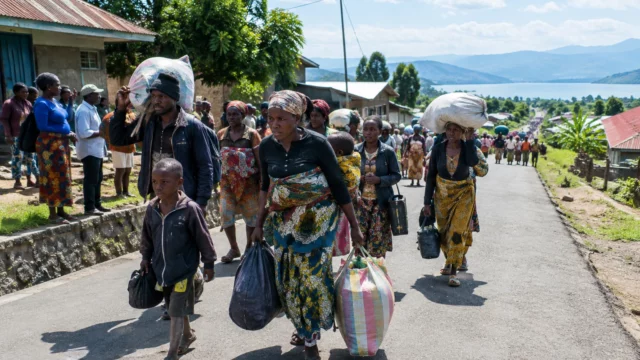
For Congolese people living in affected areas, the outbreak adds pressure to already stretched services. Transport difficulties, insecurity and staff shortages can delay contact tracing, routine care and treatment for other diseases. The response is therefore not limited to stopping Ebola transmission. It must also preserve access to ordinary healthcare.
Boosting production, diagnosis and surveillance on the continent
In Kenya, the 2026-2030 health strategy sets a target of producing at least 50% of essential health products locally by 2030. The country links this industrial ambition to quality control. Thirteen new pharmaceutical companies have begun operations and more than 2,200 non-compliant products have been removed from the market, according to information released as part of the strategy.
This approach addresses a vulnerability exposed by recent crises. When global supply chains come under pressure, importing countries face delays, price rises and shortages. Local production will not solve everything. It requires reliable laboratories, common standards, funding and a sufficiently structured market.
In Ethiopia, strengthening laboratories and integrating human and animal health surveillance pursue the same goal. This approach, often called “One Health”, recognises that health risks move between people, animals and the environment. It should improve the detection of outbreaks before they spread.
Another tool aims to bring screening closer to pregnant women. A device offered at a cost of about one dollar can test for HIV, syphilis and hepatitis B at the same time. Its value lies in the possibility of screening for three infections during a single antenatal visit.
The test will only deliver a real benefit, however, if women who test positive can quickly access confirmation, treatment and follow-up. Screening is an entry point. It must not become an isolated step with no care to follow.
Funding will determine the reach of progress
Budgetary questions cut across all these initiatives. The African Leaders Malaria Alliance estimates that a 30% decline in funding could result in 146 million additional cases and nearly 400,000 extra deaths by 2030. The WHO offers a similar estimate, putting the number of preventable deaths at 397,000.
These figures are projections, not a tally of deaths already recorded. They nevertheless show the potential cost of reduced investment in mosquito nets, diagnosis, treatment and seasonal prevention. African countries are therefore calling for greater domestic funding, as well as predictable external aid over several years.
This demand directly concerns DR Congo and its neighbours in the Southern African Development Community, SADC. Outbreaks, population movements and supply chains cross administrative borders. Surveillance, vaccination and medical production benefit from regional coordination.
The next challenge will be to turn one-off campaigns into sustainable systems. Reaching a child during a mass campaign is essential. Protecting that child afterwards through routine vaccination, an accessible health centre and stable funding will be the true measure of progress.