Egypt
 Libya
 Morocco
 Sudan
 Tunisia
 Benin
 Burkina Faso
 Cabo Verde
 Côte d'Ivoire
 Ghana
 Guinea
 Guinea-Bissau
 Liberia
 Mali
 Mauritania
 Niger
 Nigeria
 Senegal
 Sierra Leone
 The Gambia
 Togo
 Cameroon
 Central African Republic
 Chad
 DR Congo
 Equatorial Guinea
 Gabon
 Republic of the Congo
 São Tomé and Príncipe
 Burundi
 Comoros
 Djibouti
 Eritrea
 Ethiopia
 Kenya
 Madagascar
 Malawi
 Mauritius
 Mozambique
 Rwanda
 Seychelles
 Somalia
 South Sudan
 Tanzania
 Uganda
 Angola
 Botswana
 Eswatini
 Lesotho
 Namibia
 South Africa
 Zambia
 Zimbabwe
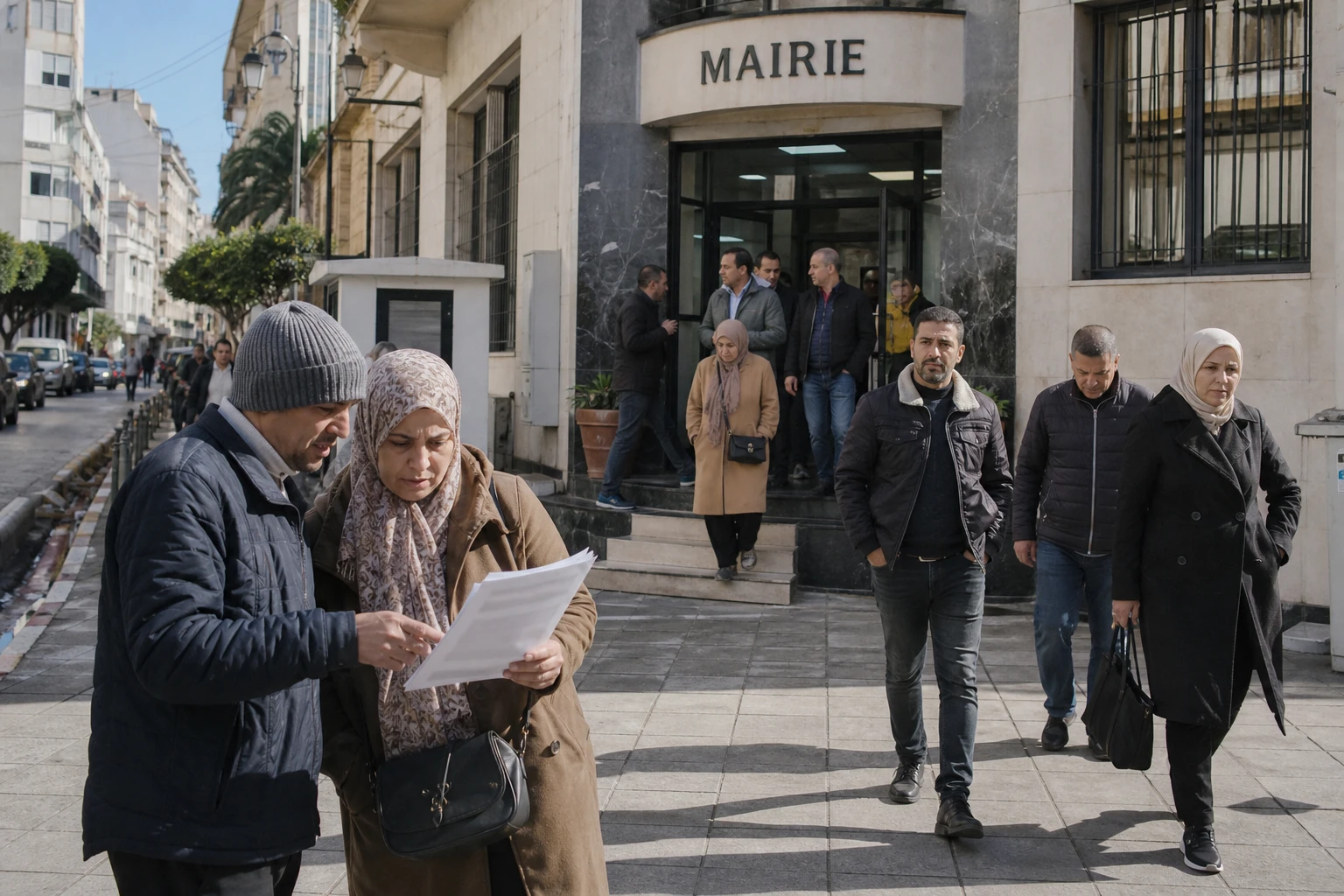
In Algiers, the death penalty debate has returned to the fore after several years of a de facto moratorium. The government now wants to extend its use to crimes considered particularly serious, risking a new controversy over the balance between public security, criminal justice and international commitments.
A bill introduced after deadly fires
Algerian Justice Minister and Keeper of the Seals Lotfi Boudjemaa presented a draft amendment to the Penal Code on Monday 21 September 2026 to the National People’s Assembly’s Committee on Legal and Administrative Affairs, Freedoms and Human Rights.
The bill proposes introducing the death penalty for certain arson offences and for the abduction of children. It targets not only direct perpetrators, but also people who allegedly incited, financed or organised these acts. The penalty could be increased where an abduction involves torture, sexual assault or abuse.
The initiative follows deadly fires that affected several wilayas in northern Algeria between 26 and 30 August 2026. The authorities have presented some of the fires as criminal acts. The bill thus responds to a political demand for a tougher stance voiced at the highest levels of government.
In his presentation to MPs, the minister defended a criminal justice response intended to protect security, public order and social stability. He also emphasised the potential responsibility of those who commissioned the crimes and provided material support, not just that of those who carried them out.
The bill’s presentation does not, however, mean that these new provisions are already in force. It must go through the parliamentary process, be examined in a plenary session and then be submitted to the promulgation stages required under Algerian law.
A turning point in Algeria’s trajectory
Algeria retains the death penalty in its legislation. However, no executions have been carried out there since 1993. Courts still sometimes impose death sentences, but they are not carried out. This amounts to a de facto moratorium: a lasting suspension without legal abolition.
The country has also supported international initiatives in favour of a global moratorium on executions. Extending the death penalty to new offences would therefore mark a break with that position, even if the bill does not automatically provide for an immediate resumption of executions.
According to data published by Amnesty International for 2025, at least 273 people were then under sentence of death in Algeria. The organisation also recorded 11 new death sentences that year. These figures show that the moratorium has not removed the death penalty from Algeria’s judicial system.
The precedent set in July 2025 also looms over the debate. The scope of the death penalty was then extended to several offences linked to drug trafficking. The new bill would continue this trend by adding crimes related to arson and child abduction.
Rights groups denounce an expansion of the death penalty
Algerian and international human rights organisations are calling for the moratorium observed since 1993 to be maintained. They argue that a tough criminal justice response is possible without resorting to the death penalty.
Their concern centres first on the risk of wrongful convictions. In an arson case, establishing criminal intent, identifying those who commissioned the crime and distinguishing direct responsibility from indirect assistance can require a lengthy, adversarial investigation. An irreversible sentence would then leave little room to remedy an error.
The organisations also question the wording of the bill. Including people who incite, finance or organise a crime could strengthen the fight against networks. But it requires precise definitions, strong evidence and independent oversight of proceedings. Without these safeguards, a broad criminal classification could invite more challenges.
The debate also raises the question of the state’s responsibility for disaster prevention. After fires, punishing alleged perpetrators does not, in itself, resolve issues related to forest monitoring, firefighting resources, warnings to residents and the evacuation of exposed areas.
These issues affect communities differently. Rural populations and people living in forested areas directly suffer losses to homes, crops and livelihoods. In cities, discussion focuses more on child protection, police effectiveness and the speed of justice. The public response must therefore combine prevention, investigation and support for victims.
A debate that extends beyond Algeria’s borders
The issue forms part of the North African context, where several states retain the death penalty in law while applying moratoriums to varying degrees. Algeria thus faces a regional tension between demands for severe penalties for the gravest crimes and growing calls for abolition.
At African Union level, the issue is linked to discussions on judicial safeguards, child protection and respect for fundamental rights. Algeria is a party to the International Covenant on Civil and Political Rights. The treaty strictly limits the use of the death penalty, and the interpretation adopted by United Nations bodies tends to restrict it to the most serious crimes, generally associated with intentional homicide.
The next stage of the parliamentary process will therefore be decisive. MPs will have to specify the offences covered, the standard of proof required and the safeguards available to defendants. The government will also have to answer a central question: how can it strengthen the protection of people and territories without turning an exceptional measure into an ordinary criminal justice response ?
In Algiers and in the wilayas affected by the fires, the debate is not only about the severity of a penalty. It also concerns trust in institutions, the quality of investigations and the state’s ability to prevent tragedies before it has to punish them.