Algeria
 Egypt
 Libya
 Morocco
 Sudan
 Tunisia
 Benin
 Burkina Faso
 Cabo Verde
 Côte d'Ivoire
 Ghana
 Guinea
 Guinea-Bissau
 Liberia
 Mali
 Mauritania
 Niger
 Nigeria
 Senegal
 Sierra Leone
 The Gambia
 Togo
 Cameroon
 Central African Republic
 DR Congo
 Equatorial Guinea
 Gabon
 Republic of the Congo
 São Tomé and Príncipe
 Burundi
 Comoros
 Djibouti
 Eritrea
 Ethiopia
 Kenya
 Madagascar
 Malawi
 Mauritius
 Mozambique
 Rwanda
 Seychelles
 Somalia
 South Sudan
 Tanzania
 Uganda
 Angola
 Botswana
 Eswatini
 Lesotho
 Namibia
 South Africa
 Zambia
 Zimbabwe
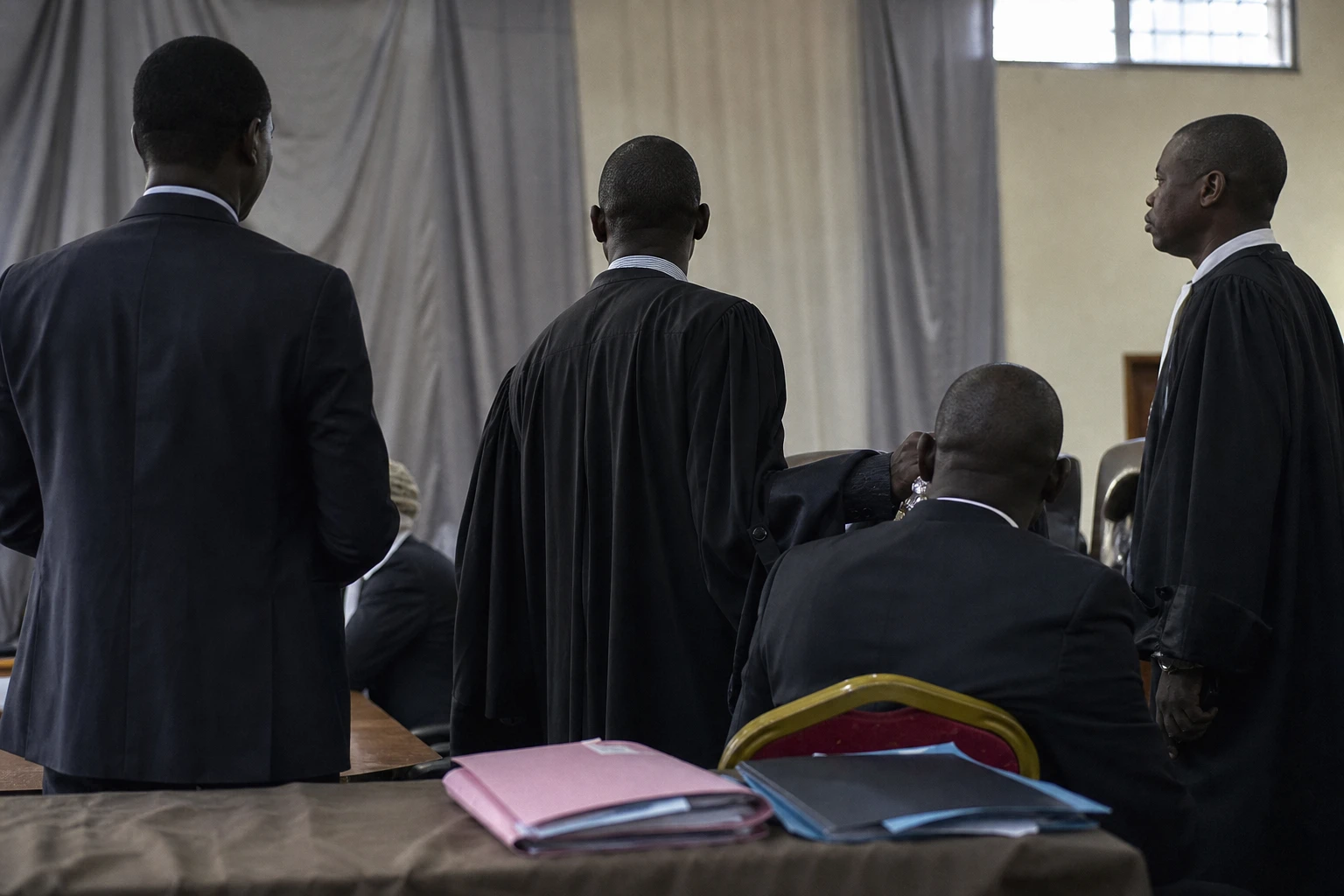
In N’Djamena, an old trial has reopened a simple question: how can political violence be judged without leaving victims alone to face the passage of time? By sentencing Abdoulaye Miskine to 15 years in prison, Chadian justice has delivered a weighty, long-awaited ruling, one with implications far wider than the case of a single warlord.
Chad is not hearing this case in an institutional vacuum. The country belongs to CEMAC, the Economic and Monetary Community of Central Africa, which comprises six states in the sub-region, and to the African Union, of which it has been a member since 1963. In this region, armed crises, the movement of combatants and cross-border cases involving Chad and the Central African Republic remain sensitive issues for authorities, affected families and judges.
On Wednesday 9 September 2026, the criminal chamber of the N’Djamena Court of Appeal found Abdoulaye Miskine guilty of criminal conspiracy, serious abuse, torture and murder. His three co-defendants were each sentenced to 10 years in prison, according to several African media outlets that followed the hearing in N’Djamena. The court also set damages at 30 million CFA francs for each civil party, amounting to a total of one billion CFA francs, according to the victims’ lawyers.
For the civil parties, the verdict marks a moment of relief. Several victims’ relatives said they saw their suffering finally recognised by a Chadian court. But their lawyers expressed deep disappointment at the amount awarded. They had sought 25 billion CFA francs in compensation. The sum granted is therefore nowhere near commensurate with the scale of the harm they said they had suffered.
The case goes beyond the debate over compensation. The defence challenged the legal classification of the acts and regretted that the court had not found crimes against humanity. This matters because it speaks to the role of national courts in dealing with the gravest crimes. In Chad, as elsewhere in Central Africa, the line between acts of war, ordinary crimes and international crimes is often at the heart of legal battles.
One man, two countries and a long judicial grey area
Abdoulaye Miskine, whose legal name is Martin Koumtamadji, is a well-known figure in the conflicts in the Central African Republic. He was long active in the sphere of armed groups operating between Chad, the Central African Republic and border areas. A United Nations report had already said he was arrested in Chad in November 2019, before remaining in detention in N’Djamena despite extradition requests from Bangui.
His trial in Chad unfolded over a long period. A hearing resumed in late August 2026 and was followed by several days of debate, with prosecutors seeking up to 30 years in prison, before the verdict was delivered on 9 September. In cases of this kind, the length of pre-trial detention, the availability of witnesses and co-operation between neighbouring states weigh heavily on the course of proceedings.
Chad is not alone in facing politicised or militarised legal disputes. In 2026, Chadian courts also convicted opposition leaders in other cases with significant political overtones, fuelling recurring debate over judicial independence, the strength of the state and the ability of courts to handle explosive cases without suspicion of political manipulation.
In the Miskine case, the defence announced an appeal on points of law. This does not overturn the N’Djamena ruling, but opens a new stage before the Supreme Court. For the accused’s lawyers, the aim is clear: to have the regularity of the proceedings and the strength of the case reviewed. For the complainants, the aim is different: to ensure that a long wait for justice does not once again turn into a sense of being forgotten.
What the verdict says about Chad, the Central African Republic and the sub-region
The case also has regional significance. Abdoulaye Miskine is associated with violence linked to the Central African Republic, but he was tried in Chad, a neighbouring country and a hub for armed movements. This situation is a reminder that conflicts in Central Africa do not stop at administrative borders. They move with weapons, alliances, refugees and judicial warrants.
For the Chadian authorities, delivering a verdict in such a serious case makes it possible to demonstrate a state response to crimes attributed to a former warlord. For victims, the decision may open up space for recognition. But the financial compensation remains modest compared with the amounts sought and the human cost of a conflict that extends beyond the strict confines of the courtroom.
The regional perspective is just as important. CEMAC has long sought to stabilise an area through which workers, goods and people move. When armed figures are pursued across national borders, justice also becomes an instrument of sovereignty and co-operation. At the same time, the African Union says it comprises 55 member states, including Chad, and remains attentive to crises that destabilise Central Africa.
This verdict therefore does not merely bring a criminal case to a close. It highlights the difficulty for states in the sub-region of turning years of diffuse violence into judicial decisions that are clear, enforceable and recognised. In N’Djamena, perhaps the most important developments will begin now: the next stage of the appeal, the victims’ response to the decision, and how Chadian justice gives effect to this ruling over time.