Algeria
 Egypt
 Libya
 Morocco
 Sudan
 Tunisia
 Benin
 Burkina Faso
 Cabo Verde
 Côte d'Ivoire
 Ghana
 Guinea
 Guinea-Bissau
 Liberia
 Mali
 Mauritania
 Niger
 Nigeria
 Senegal
 Sierra Leone
 The Gambia
 Togo
 Cameroon
 Central African Republic
 Chad
 Equatorial Guinea
 Gabon
 Republic of the Congo
 São Tomé and Príncipe
 Burundi
 Comoros
 Djibouti
 Eritrea
 Ethiopia
 Kenya
 Madagascar
 Malawi
 Mauritius
 Mozambique
 Rwanda
 Seychelles
 Somalia
 South Sudan
 Tanzania
 Uganda
 Angola
 Botswana
 Eswatini
 Lesotho
 Namibia
 South Africa
 Zambia
 Zimbabwe
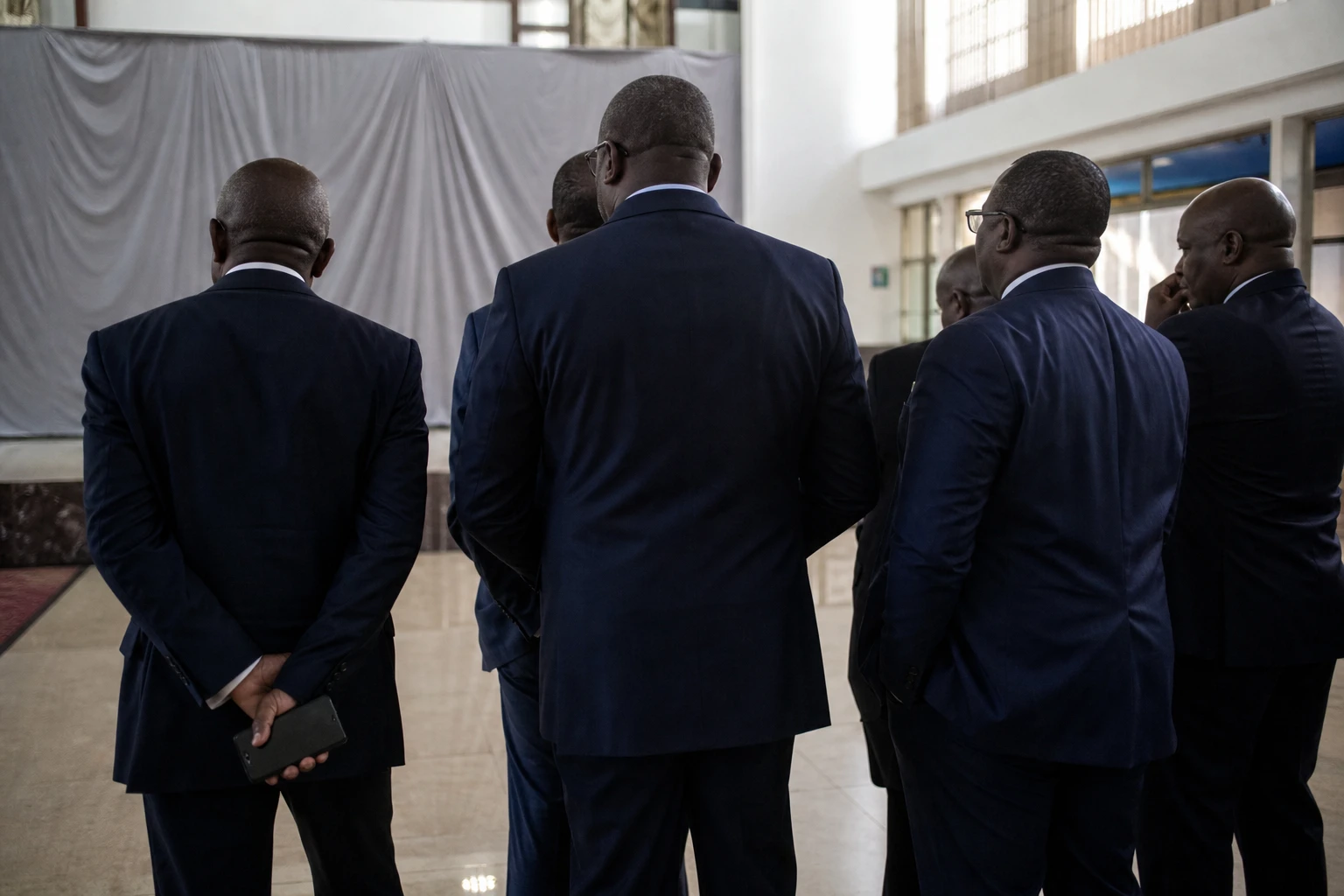
In Kinshasa, the referendum has become a test of political trust
In the Democratic Republic of the Congo, the debate is no longer just about a text. It touches on a broader question: who sets the rules of the institutional game, and how far can the majority go without weakening constitutional safeguards? In Kinshasa, this tension is already shaping party calculations, civil society concerns and opposing interpretations by the government and the opposition.
The context matters. The DRC is emerging from a political period in which the 2006 Constitution remains the legal backbone of the state, with the two-term limit on the presidency often at the centre of tensions. In the Congolese system, the Constitutional Court is empowered to rule on the interpretation of the Constitution, while the President of the Republic can refer a law back to Parliament for further deliberation.
What the bill provides and where the process stands
In June 2026, Parliament adopted the bill setting out the conditions for organising a referendum. The text governs the calling of the vote by the head of state, its practical organisation by the Independent National Electoral Commission, and the rules for campaigning, counting and legal challenges. It also opens up the possibility of a broader constituent assembly if a draft new Constitution is put to the country.
On 28 July 2026, the Constitutional Court ruled that the law was consistent with the Constitution, but attached 13 interpretative reservations. Following that opinion, Félix Tshisekedi referred the text to Parliament on 10 August, requesting further deliberation. The National Assembly said the matter would be added to the agenda of the September 2026 ordinary session.
The timetable highlights one essential point: the text has not yet become an operational tool for popular consultation. It remains at a sensitive political and legal stage, with every step scrutinised as a signal of the government’s real intentions.
A battle over the meaning of sovereignty
For its supporters, the referendum is not primarily an institutional manoeuvre. It is presented as a mechanism of popular sovereignty – a way to give citizens a direct say on a fundamental question. This interpretation is based on the idea that a Constitution can be adapted if institutions do so within the framework set by law.
For its opponents, the risk is quite different. Several opposition forces and part of civil society see the process as a possible route to changing the Constitution, and therefore shifting the safeguards that protect term limits. The C64 coalition has reiterated its opposition to any challenge to the constitutional order, while 65 civil society organisations have called on the head of state to abandon the project.
This distrust is also rooted in the country’s political past. In the DRC, every constitutional process is viewed through the memory of extensions of power, electoral crises and institutional deals. In a vast country marked by disparities between Kinshasa, major cities and the rest of the territory, the referendum question is therefore not simply a legal debate. It touches on trust in public arbitration.
What this means for the state, parties and citizens
For the government, there are two issues at stake. First, it must ensure that any future initiative is legally sound. Second, it must avoid giving the impression of forcing the issue through. Referring the text back to Parliament after the Constitutional Court’s opinion keeps the initiative within the legal framework while seeking to defuse accusations of a fait accompli.
For the opposition, the position is simpler: anything that creates space for rewriting the Constitution warrants the utmost vigilance. In a fragmented political landscape, this issue also serves as a rallying point. It can bring often-dispersed opposition groups together around a common slogan: defend the Constitution as it already limits the exercise of executive power.
For citizens, particularly amid persistent security tensions in the east and pressure on public services, the issue raises a very practical question: what does the state want to put at the centre of its agenda? Civil society organisations have linked their opposition to the project to insecurity, internally displaced people and economic hardship. In other words, the constitutional debate is unfolding alongside demands for immediate results on the ground.
A significance that extends beyond the DRC
The Congolese process resonates beyond Kinshasa. In Central Africa, where constitutional revision is regularly scrutinised, the DRC carries weight because of its size, population and role in regional balances. Every debate about presidential terms, popular sovereignty and amendment procedures therefore has symbolic significance for public opinion in neighbouring countries.
It is also of interest to regional organisations of which the DRC is a member, particularly SADC and the East African Community, because institutional stability in the DRC affects security, trade flows and diplomatic cooperation in a sensitive part of the continent. In this context, the next step to watch is clear: the September 2026 parliamentary session, where the further deliberation will show whether the text is amended, adopted as it stands or sent back for another institutional battle.