Algeria
 Egypt
 Libya
 Morocco
 Sudan
 Tunisia
 Benin
 Burkina Faso
 Cabo Verde
 Côte d'Ivoire
 Ghana
 Guinea
 Guinea-Bissau
 Liberia
 Mali
 Mauritania
 Niger
 Nigeria
 Senegal
 Sierra Leone
 The Gambia
 Togo
 Cameroon
 Central African Republic
 Chad
 DR Congo
 Equatorial Guinea
 Gabon
 Republic of the Congo
 São Tomé and Príncipe
 Burundi
 Comoros
 Djibouti
 Eritrea
 Ethiopia
 Kenya
 Madagascar
 Malawi
 Mauritius
 Mozambique
 Rwanda
 Seychelles
 Somalia
 South Sudan
 Tanzania
 Angola
 Botswana
 Eswatini
 Lesotho
 Namibia
 South Africa
 Zambia
 Zimbabwe
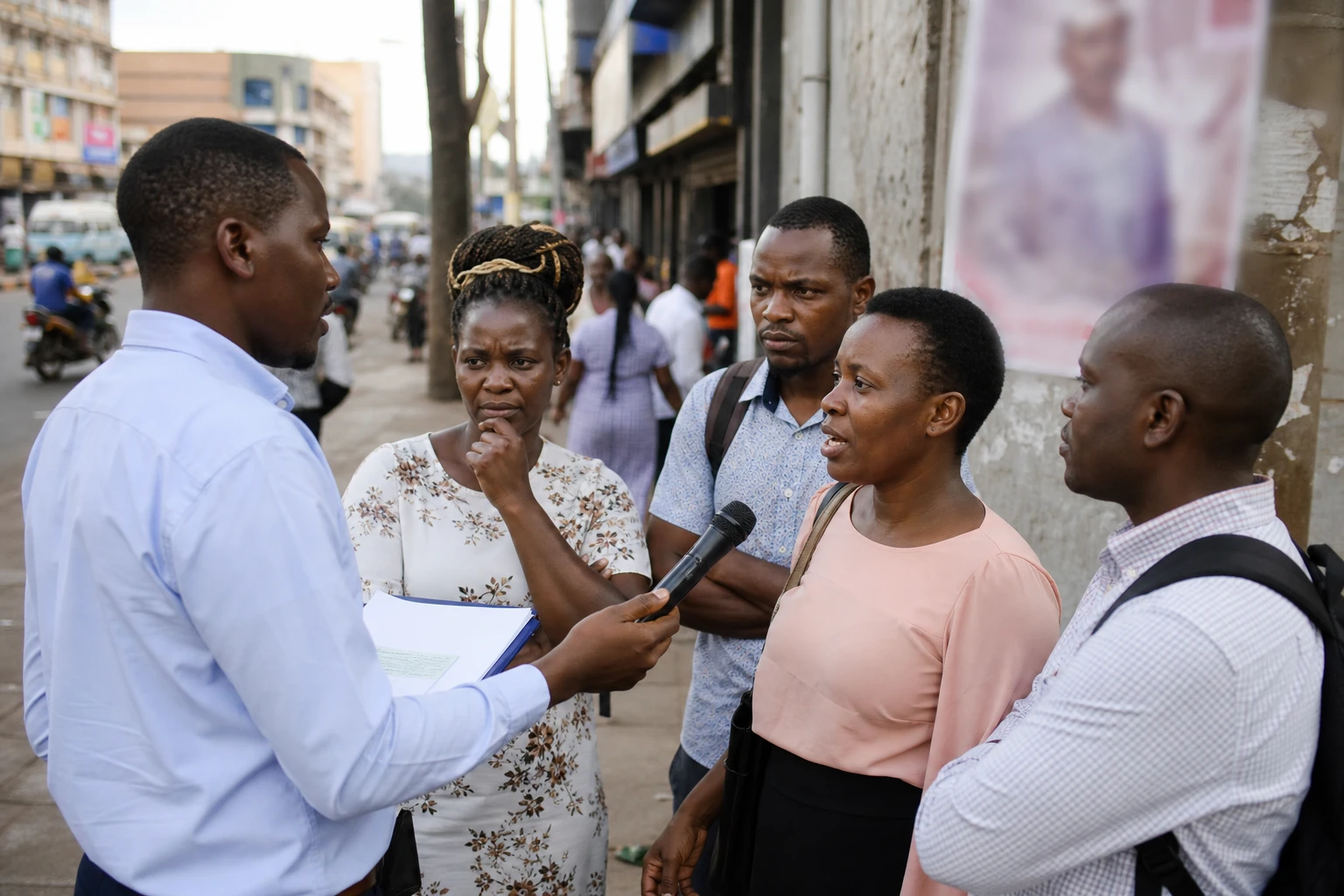
In Kampala, a hearing becomes a show of strength
In Uganda, the health of opposition figures is never merely a medical issue. It also reflects the state of relations between the government, the judiciary and the political arena. On Wednesday 29 July 2026, that reality was starkly apparent in Kampala, when Kizza Besigye collapsed during a hearing in his treason trial. He was later transferred to hospital, where his wife, Winnie Byanyima, said he was unconscious and receiving intensive care.
The case comes amid close scrutiny of proceedings against opposition figures in Uganda, not only in Kampala but across East Africa. Uganda is a member of the East African Community, a region where debates over the rule of law, political rights and the role of the armed forces in public life remain highly sensitive. In this context, every health incident, adjournment and court ruling quickly takes on significance beyond the courtroom.
A veteran opposition figure facing a grave charge
Kizza Besigye, 70, has been one of the best-known faces of Uganda’s opposition for two decades. Once the personal doctor to President Yoweri Museveni, he went on to become one of his most persistent opponents. He has stood in four presidential elections. He has been in detention since late 2024 in proceedings that have become one of the country’s most closely watched cases. Amnesty International says he was abducted in Nairobi on 16 November 2024 and forcibly transferred to Uganda, where he remained in detention for more than 400 days without a lasting medical solution.
The case centres on a charge of treason. Under Ugandan law, the Constitution provides that any violent or unlawful attempt to suspend, overthrow or alter the Constitution constitutes treason. The Penal Code and military law provide for some of the harshest penalties, including the death penalty in certain cases. The issue is therefore judicial, but also deeply political.
For months, Besigye’s defence team and relatives have raised concerns about his condition. In January, international media and news agencies were already reporting that his health was considered fragile, and that he had been transferred for medical care in Kampala. In February, human rights organisations called for him to have access to specialist care outside detention, condemning conditions they described as inhumane. His latest collapse in court does not erase these warnings. It confirms them.
A trial putting pressure on lawyers, the media and relatives
The Besigye case is not about one man alone. It is also putting pressure on the wider circle around him. In July, several Ugandan media outlets reported procedural decisions and incidents, including disputes over the defence, refusals of bail and challenges to the way the trial is progressing. Local media have also reported that members of the defence team were obstructed or harassed, fuelling criticism over equality of arms in the case.
For his supporters, the problem goes beyond the charge itself. They point to prolonged detention, restricted access to doctors of his choice and deteriorating health exacerbated by his imprisonment. The authorities say the proceedings are following their course under the law. Caught between the two, the public sees above all a trial that drags on, a weakened historic opposition figure and a judiciary called on to arbitrate amid acute political tension.
Besigye’s case also speaks to a broader question in Uganda: the space allowed for organised dissent. Under Museveni’s governments, prominent opposition figures, committed lawyers and some critical media outlets have operated in an environment often described as restrictive. Human rights organisations say sensitive trials sometimes become an extension in courtrooms of power struggles already settled on the streets or in detention centres.
What Kampala is watching now, and what East Africa is observing
The next steps will depend first on doctors’ ability to stabilise Besigye and on how the court deals with his medical condition. So far, reports agree on one point: he was hospitalised in Kampala after collapsing at the hearing, and his family considers his condition serious. Any further medical details should remain attributed until confirmed by an official hospital or judicial source.
Politically, the episode could reinforce two opposing trends. On the one hand, it strengthens the image of a government determined to show that the law is taking its course, even in the case of a major opposition figure. On the other, it fuels criticism of a system in which prolonged detention and the weakening of political opponents have become defining features of the public climate. In Kampala and across the country, the most immediate impact is not theoretical: it affects the families, lawyers, activists and journalists following these cases every day.
At the regional level, the case is a reminder that in East Africa, political stability is measured not only by the functioning of institutions. It also depends on states’ ability to deal with opposition without crushing it, and to ensure transparent proceedings when the stakes become explosive. In Kampala, Kizza Besigye’s trial has therefore become more than a criminal case. It is a test of confidence in Uganda’s judiciary, and a signal watched far beyond the country’s borders.