Algeria
 Egypt
 Libya
 Morocco
 Sudan
 Tunisia
 Benin
 Burkina Faso
 Cabo Verde
 Côte d'Ivoire
 Ghana
 Guinea
 Guinea-Bissau
 Liberia
 Mali
 Mauritania
 Niger
 Nigeria
 Senegal
 Sierra Leone
 The Gambia
 Togo
 Cameroon
 Central African Republic
 Chad
 Equatorial Guinea
 Gabon
 Republic of the Congo
 São Tomé and Príncipe
 Burundi
 Comoros
 Djibouti
 Eritrea
 Ethiopia
 Kenya
 Madagascar
 Malawi
 Mauritius
 Mozambique
 Rwanda
 Seychelles
 Somalia
 South Sudan
 Tanzania
 Uganda
 Angola
 Botswana
 Eswatini
 Lesotho
 Namibia
 South Africa
 Zambia
 Zimbabwe
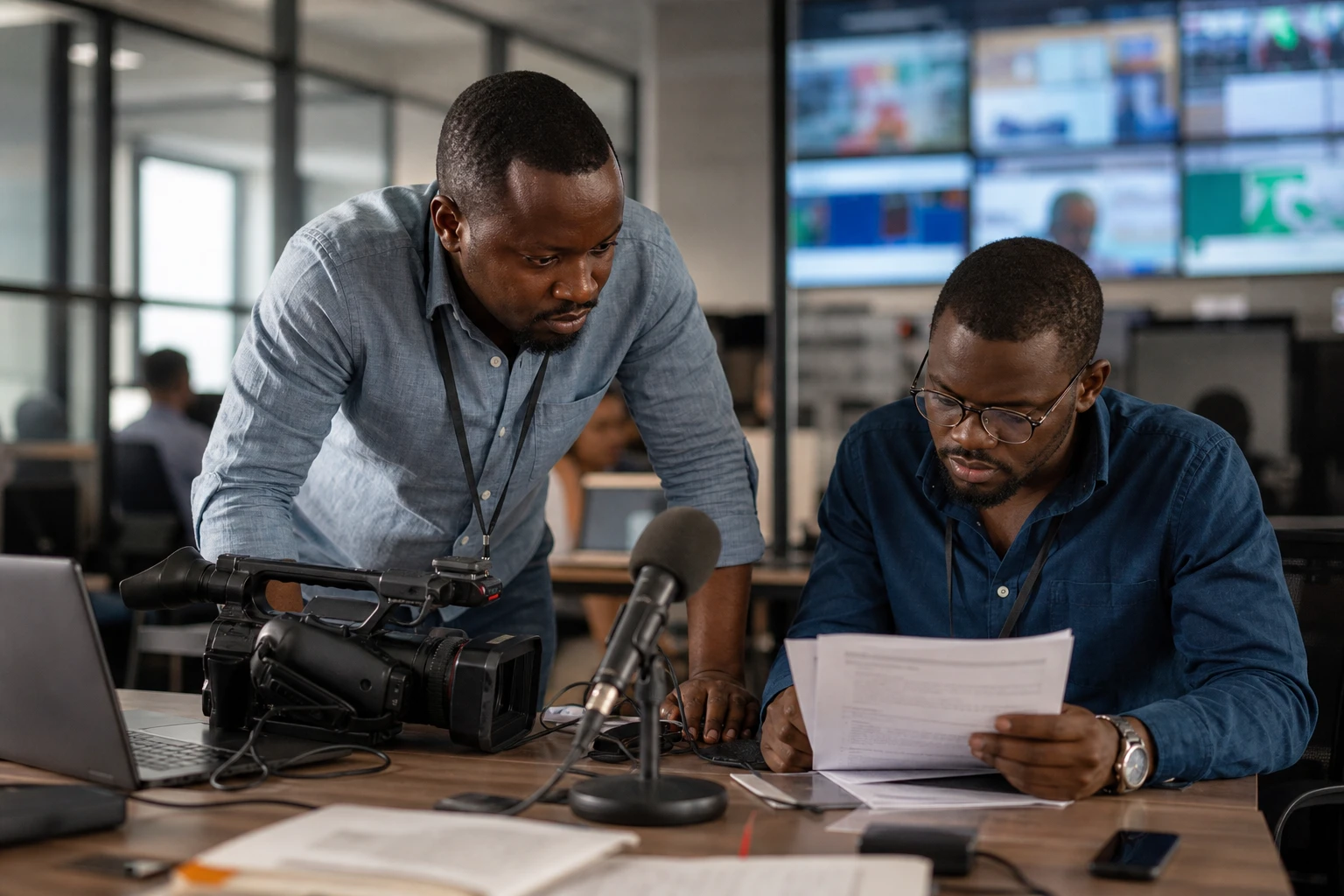
In New York, Kinshasa chose to open the debate where the rules are made
The minerals that power mobile phones, batteries and part of the global energy transition are more than a market issue. They are also a test of sovereignty, peace and justice. For the Democratic Republic of the Congo, the question is simple: how can immense wealth be prevented from fuelling violence in the east and made to benefit the Congolese at last?
The United Nations Security Council debated the governance of natural resources on Wednesday 22 July 2026. The meeting was initiated by the DRC, which holds the Council’s rotating presidency this month. Thérèse Kayikwamba Wagner, Minister of State for Foreign Affairs, presented Kinshasa’s position on behalf of President Félix-Antoine Tshisekedi.
A producing country under pressure
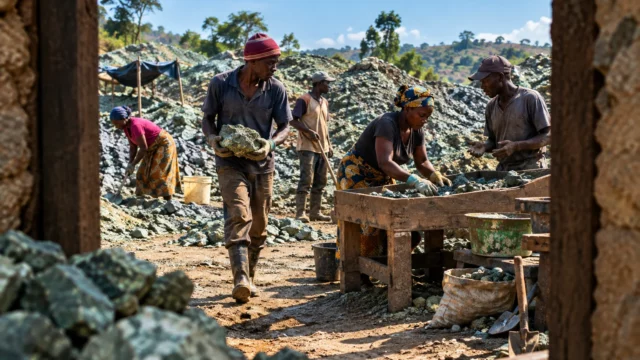
The DRC lies at the heart of global cobalt supply chains and, more broadly, those for so-called critical minerals. The UN says more than 70% of the world’s mined cobalt comes from Congolese territory. This concentration gives the country strategic weight, but also attracts smuggling networks, criminal groups and regional competition.
In the east of the country, this reality takes a brutal form. Kinshasa’s authorities have long accused the AFC/M23, which several UN reports say is supported by Rwanda, of profiting from the illicit mineral trade. The UN has made similar findings in its work on the DRC, while recent US sanctions have also targeted networks linked to mineral trafficking in the area.
This debate did not come out of nowhere. In June 2025, the DRC and Rwanda signed a US-facilitated peace agreement in Washington. In June 2026, Washington again sanctioned individuals accused of facilitating mineral smuggling in coordination with the M23. Between those two dates, the process remained fragile, and reported violations on the ground show that peace still depends on commitments that remain imperfect.
The core message: end uncontrolled extraction
Addressing the Security Council, António Guterres put forward an idea that has become central: no effective response can be limited to the extraction site. Minerals must be tracked along the entire supply chain, from underground to the final market, including transport, processing and sale. The goal is clear: greater transparency, stronger controls and less smuggling.
Ngozi Okonjo-Iweala, director-general of the World Trade Organization, stressed the opportunity to rewrite economic incentives. Her message was clear: the “resource curse” is not inevitable if producing countries strengthen local value addition, transparency and operator accountability. In other words, exporting raw materials alone creates few jobs, generates little revenue and leaves countries highly vulnerable. Processing minerals locally changes the equation.
This approach also echoes a signal sent in Kinshasa a few days earlier. On 13 July, President Tshisekedi called for an end to all forms of illegal militarisation of mining sites and reaffirmed the sector’s strategic importance to the country’s international credibility. The approach is consistent: better governance of minerals means better governance of the state.
What this means for the Congolese and the region
For the Congolese state, the stakes are simultaneously fiscal, security-related and diplomatic. A better-tracked mining supply chain boosts tax revenues, reduces armed groups’ room for manoeuvre and improves the country’s reputation with international buyers. For local communities, the expected benefits are more tangible still: less extortion, greater security and more local returns, provided roads, schools, healthcare services and the environment also receive attention.
The issue also affects neighbouring countries. Minerals from the eastern DRC move along regional corridors towards Rwanda, Uganda, Kenya and further afield, before entering processing and export networks. That is why Guterres emphasised cooperation between producing, transit and consumer countries. In Central Africa and the Great Lakes region, no state can claim to solve alone a problem that travels with the cargo.
The DRC also has an interest in linking this debate to its own reforms. The country has already taken steps to improve oversight of the mining sector and attract more responsible supply chains, as several discussions held in Lubumbashi in June 2026 on due diligence showed. The aim is not merely to denounce plunder, but also to build a more formal, traceable and competitive mining industry.
An African battle over value, not just what lies underground
Ultimately, the New York debate extends beyond the DRC. It concerns all of Africa, rich in minerals, energy and rare earths. The question is whether the continent will remain primarily a supplier of raw materials or succeed in capturing more processing, jobs and revenue locally. This is a challenge for the AfCFTA, the African Continental Free Trade Area, as well as for economic security more broadly.
For Kinshasa, the stakes are political. As it presides over the Security Council, the DRC is speaking not only for itself. It is seeking recognition of a truth shared by many African countries: natural resources can finance peace, but only if the rules governing trade, security and processing are aligned. The next test will be the follow-through on security commitments in the east, sanctions against trafficking and the ability of regional states to close off the routes sustaining the war economy.