Algeria
 Egypt
 Libya
 Sudan
 Tunisia
 Benin
 Burkina Faso
 Cabo Verde
 Côte d'Ivoire
 Ghana
 Guinea
 Guinea-Bissau
 Liberia
 Mali
 Mauritania
 Niger
 Nigeria
 Senegal
 Sierra Leone
 The Gambia
 Togo
 Cameroon
 Central African Republic
 Chad
 DR Congo
 Equatorial Guinea
 Gabon
 Republic of the Congo
 São Tomé and Príncipe
 Burundi
 Comoros
 Djibouti
 Eritrea
 Ethiopia
 Kenya
 Madagascar
 Malawi
 Mauritius
 Mozambique
 Rwanda
 Seychelles
 Somalia
 South Sudan
 Tanzania
 Uganda
 Angola
 Botswana
 Eswatini
 Lesotho
 Namibia
 South Africa
 Zambia
 Zimbabwe
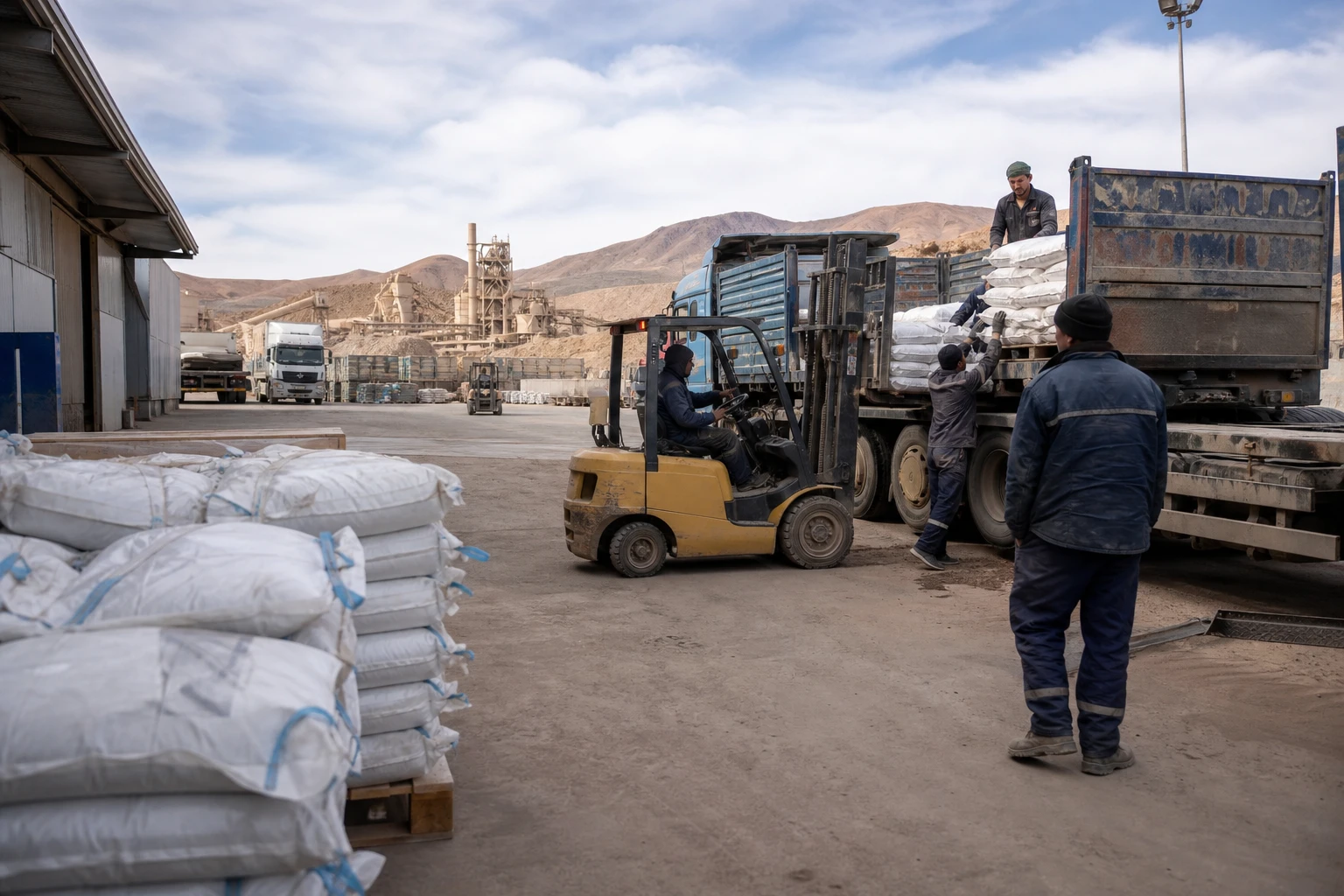
A Moroccan mine now making its mark on the silver market
In the highlands of the Anti-Atlas, a Moroccan mining site has moved to the centre of a globalised market. Zgounder is no longer just another mine. It is now a strategic asset, accounting for a decisive share of the Kingdom’s silver production and of the portfolio of a Canadian group listed in Toronto and on Nasdaq.
This rise is changing perceptions of Morocco’s mining sector. Morocco is no longer just a country of phosphates and base metals. It is also establishing itself as a major silver hub in North Africa, with industrial, financial and tax benefits that extend well beyond the site itself.
Rabat, ONHYM and a mining asset at the heart of an international value chain
The Zgounder project operates within a clearly defined Moroccan framework. The National Office of Hydrocarbons and Mines, based in Rabat, has long maintained a connection with the deposit. Its public documents show that it held a 15% stake in the operating company Zgounder Millennium Silver Mining before selling that shareholding to Aya Gold & Silver in 2022. The Office nevertheless retains an economic royalty on production, distinguishing ownership of the asset from the capture of its value.
Ownership around the mine is reflected through Aya Gold & Silver, rather than directly at the Moroccan site. Figures published by the group show that Zgounder is wholly owned by the Canadian company. Aya’s capital is therefore where the risk and returns are truly distributed. Institutional investors cited in market data have exposure in their portfolios to the performance of the Moroccan complex, without owning the operation itself.
Production surged in 2025
The key development is clear. Aya Gold & Silver said it produced 4,829,151 ounces of silver at Zgounder in 2025, or about 4.8 million ounces. The group also said the performance followed the site’s return to full-scale operations after the expansion of its processing plant, which was commissioned in late 2024.
In communications at the beginning of 2026, the company announced a target of between 5.2 million and 5.8 million ounces of silver at Zgounder for 2026. More broadly, it is targeting consolidated production of 6.2 million to 6.8 million silver-equivalent ounces, adding the potential of Boumadine, another Moroccan project owned by the group. Aya also said Zgounder’s mine life now runs until 2036, with average annual production of about 6 million ounces over the life of the mine plan.
This trajectory explains why Zgounder has changed status on the African map of the white metal. The site’s 2025 production exceeded the volumes reported for Imiter, the other major name in Moroccan silver, operated by Managem through its subsidiary SMI. Managem’s documents confirm that Imiter remains a historic production centre, but the 2025 ranking puts Zgounder ahead.
What this shift means for Morocco
For Morocco’s economy, the stakes go beyond the volume extracted. A more productive mine means increased sales, foreign currency and tax revenues, but also greater pressure on energy, water, logistics and operational stability. In a country where mining chains remain highly concentrated around a few basins, Zgounder’s performance strengthens the Anti-Atlas’s position as an area of national mining importance.
For the Moroccan state, the project is also a matter of economic sovereignty. The mine remains controlled by a foreign group, but the local ecosystem benefits from jobs, subcontracting and indirect revenue through the royalty retained by ONHYM. The model illustrates a common reality in Africa’s extractive industries: an asset can be privately owned, while its territorial, regulatory and fiscal foundations remain public.
The signal also matters to populations and neighbouring areas. A rapid increase in production initially benefits shareholders and the group’s balance sheet. But it can then support local services, transport, purchases of goods and the activities of Moroccan contractors. The issue, then, is less the mine itself than its ability to generate lasting value beyond the industrial site.
An indicator to watch beyond Morocco
Zgounder has continental significance because it sits at the intersection of several African trends: the growing presence of a Canadian operator in the Kingdom, the consolidation of a Moroccan mining champion, and the repositioning of North Africa on the global silver map. The Silver Institute has also noted that African silver production rose in 2025, driven mainly by Morocco.
For the region, the project illustrates a familiar but often underestimated reality: major African mining projects are increasingly structured around transnational capital, while remaining anchored in strong national institutions. In Morocco, this balance runs through Rabat, ONHYM and the rules governing the mining sector. In the coming months, the main things to watch will be delivery against 2026 targets, Zgounder’s industrial execution and the growth in value of Boumadine, which could further increase Morocco’s weight in Aya’s portfolio.