
 Algeria
 Egypt
 Libya
 Morocco
 Sudan
 Tunisia
 Benin
 Burkina Faso
 Cabo Verde
 Côte d'Ivoire
 Ghana
 Guinea
 Guinea-Bissau
 Liberia
 Mali
 Mauritania
 Niger
 Nigeria
 Senegal
 Sierra Leone
 The Gambia
 Togo
 Cameroon
 Central African Republic
 Chad
 DR Congo
 Equatorial Guinea
 Gabon
 Republic of the Congo
 São Tomé and Príncipe
 Burundi
 Comoros
 Djibouti
 Eritrea
 Ethiopia
 Kenya
 Madagascar
 Malawi
 Mauritius
 Mozambique
 Rwanda
 Seychelles
 Somalia
 South Sudan
 Tanzania
 Uganda
 Angola
 Botswana
 Eswatini
 Lesotho
 Namibia
 Zambia
 Zimbabwe
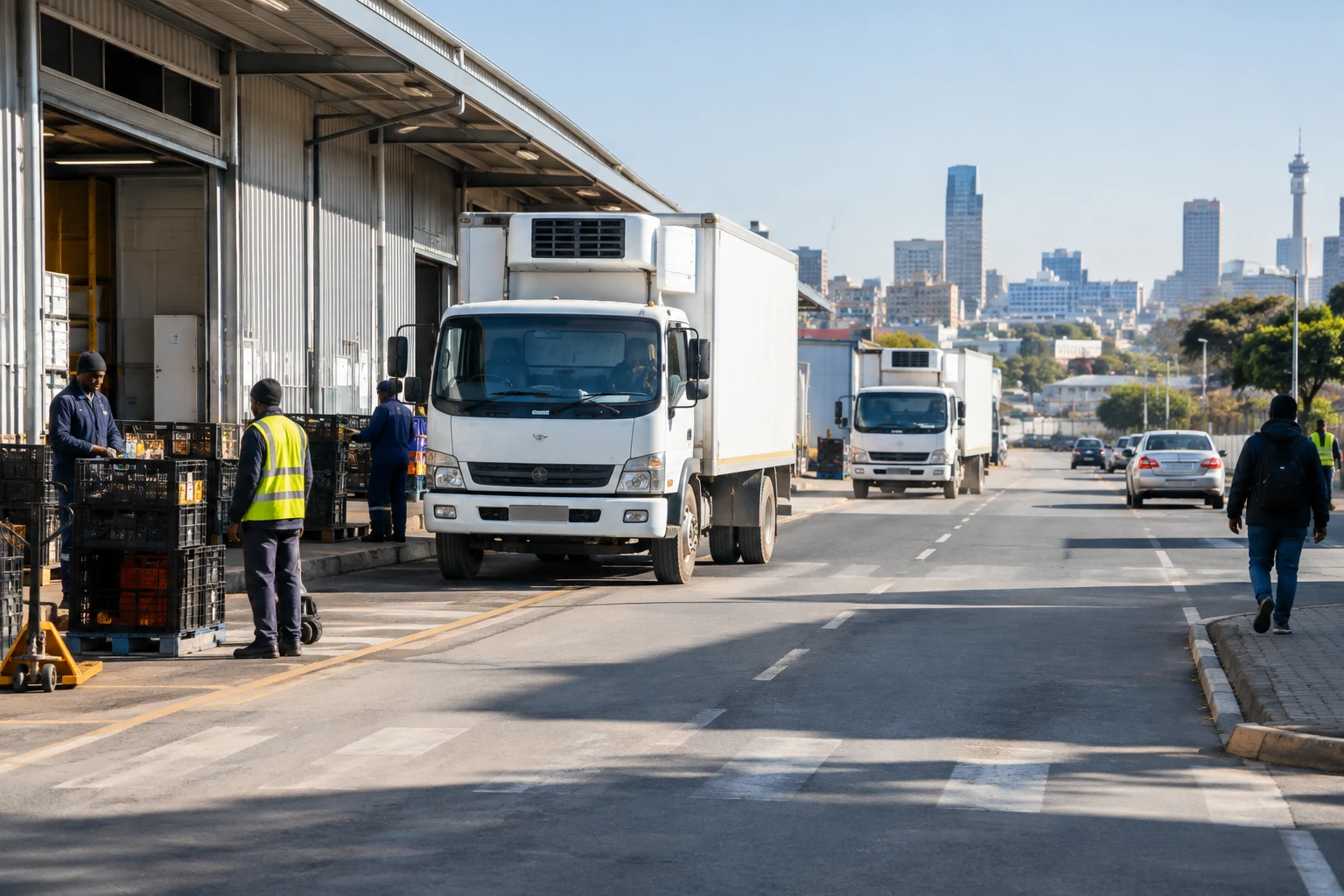
For a retailer, controlling the products on its shelves is not enough: it must also secure their production, quality and delivery. In South Africa, Woolworths is taking a step in this strategy by taking control of one of its long-standing suppliers, as competition is fought as much in kitchens and production centres as in stores.
Deal approved, but not yet completed
On 8 October 2026, Woolworths Holdings announced that the regulatory approvals required for its acquisition of in2food Holdings had been obtained. Approval from South Africa’s Competition Tribunal was among the milestones reached. The group plans to implement the deal during the following month, subject to the remaining conditions being met. The acquisition has therefore not yet been completed. Woolworths confirmed the expected timetable, while South African media outlet Sunday World also reported the regulatory approval.
The deal, announced on 17 March 2026, provides for the purchase of 100% of the issued shares in in2food from its founders, Old Mutual Private Equity and other shareholders. The price has not been disclosed. According to information released when the deal was announced, it will be financed in cash using available resources and financing facilities. Woolworths’ initial announcement sets out the terms disclosed.
In2food has supplied Woolworths Foods for more than 30 years. The South African company makes prepared meals, fresh produce, bakery items and shelf-stable foods, among other products. Its annual revenue exceeds 5 billion rand, according to information released when the deal was announced. Woolworths is its biggest customer, but in2food also works for other companies in the food service and wholesale sectors.
Bringing supplier and retailer closer together
After completion, in2food is to continue operating as a stand-alone entity within the group, with its current management team. This arrangement allows for operational continuity: Woolworths will own the supplier without announcing the end of its identity or the immediate integration of all its activities into those of the retailer.
For Woolworths, the aim is to better coordinate part of its food supply chain. The group says it expects greater flexibility, faster time to market and a better ability to respond to changing demand. Closer ties between retailer and manufacturer could also make it easier to adjust production and develop new products. These are benefits the company expects, not results that have already been measured.
The move also presents another challenge: preserving in2food’s relationships with its other customers. The company is not exclusively dependent on Woolworths, although it is its biggest outlet. Its continued operation as a stand-alone entity and the stated intention to pursue food service and export activities could help it retain those markets. The details of its governance after the deal closes remain to be seen.
Bringing a major supplier under the ownership of a large retailer also raises a competition issue. South African authorities examined the deal before approving it. The transaction had been presented as a large-scale merger, and the Competition Commission had recommended that it be approved with conditions, according to South African business media. Final approval does not mean the market will no longer be monitored: the precise terms of the decision and how they are enforced matter to suppliers and other buyers alike. IOL reported on the Commission’s recommendation.
The food fight is also about logistics
Woolworths operates in a sector where well-established national chains compete for consumers, while home delivery and online sales are taking on a growing role. Retailers must balance product availability, cost control and speed. For customers, these choices translate into the range on offer, reliable stock levels and prices. For manufacturers, they can affect access to shelves and their bargaining power with major chains.
Woolworths’ strategy is part of a broader drive to consolidate its premium food business. In its annual results published in September 2026, the group said Woolworths Food sales had risen by 5.7% over the financial year, while online sales accounted for 7.3% of South African food sales. These figures shed light on the focus on the supply chain: growth in remote sales makes availability and delivery particularly important. They come from the group’s results and do not, on their own, measure changes across the entire market. Woolworths’ annual results provide details of these indicators.
In Pretoria, South Africa’s capital, competition authorities must balance investment with maintaining an open market. The issue affects producers and consumers as well as the interests of listed companies. Regionally, South Africa is a major player in the Southern African Development Community, or SADC, which brings together countries in southern Africa. In2food’s manufacturing capacity and distribution channels could serve customers beyond the domestic market, but Woolworths has not presented the deal as a guaranteed regional expansion.
What to watch after the deal closes
The next step is the actual completion of the transaction, expected in November 2026 according to the timetable announced on 8 October. It will then be necessary to assess whether the promised gains in speed, resilience and innovation materialise, and how in2food treats customers other than Woolworths. The group’s ability to preserve partnerships with independent suppliers will also be telling.
Beyond this deal, the case illustrates a tangible shift in South African retail: competition is no longer just about store locations or promotions. It is also about control of supply and the organisation of production. The challenge will be to make these chains more efficient without reducing manufacturers’ outlets or limiting consumer choice.



