Algeria
 Egypt
 Libya
 Morocco
 Sudan
 Tunisia
 Benin
 Burkina Faso
 Cabo Verde
 Côte d'Ivoire
 Ghana
 Guinea
 Guinea-Bissau
 Liberia
 Mali
 Mauritania
 Niger
 Nigeria
 Senegal
 Sierra Leone
 The Gambia
 Togo
 Cameroon
 Central African Republic
 Chad
 DR Congo
 Equatorial Guinea
 Gabon
 Republic of the Congo
 São Tomé and Príncipe
 Burundi
 Comoros
 Djibouti
 Eritrea
 Ethiopia
 Kenya
 Madagascar
 Malawi
 Mauritius
 Mozambique
 Rwanda
 Seychelles
 Somalia
 South Sudan
 Tanzania
 Angola
 Botswana
 Eswatini
 Lesotho
 Namibia
 South Africa
 Zambia
 Zimbabwe
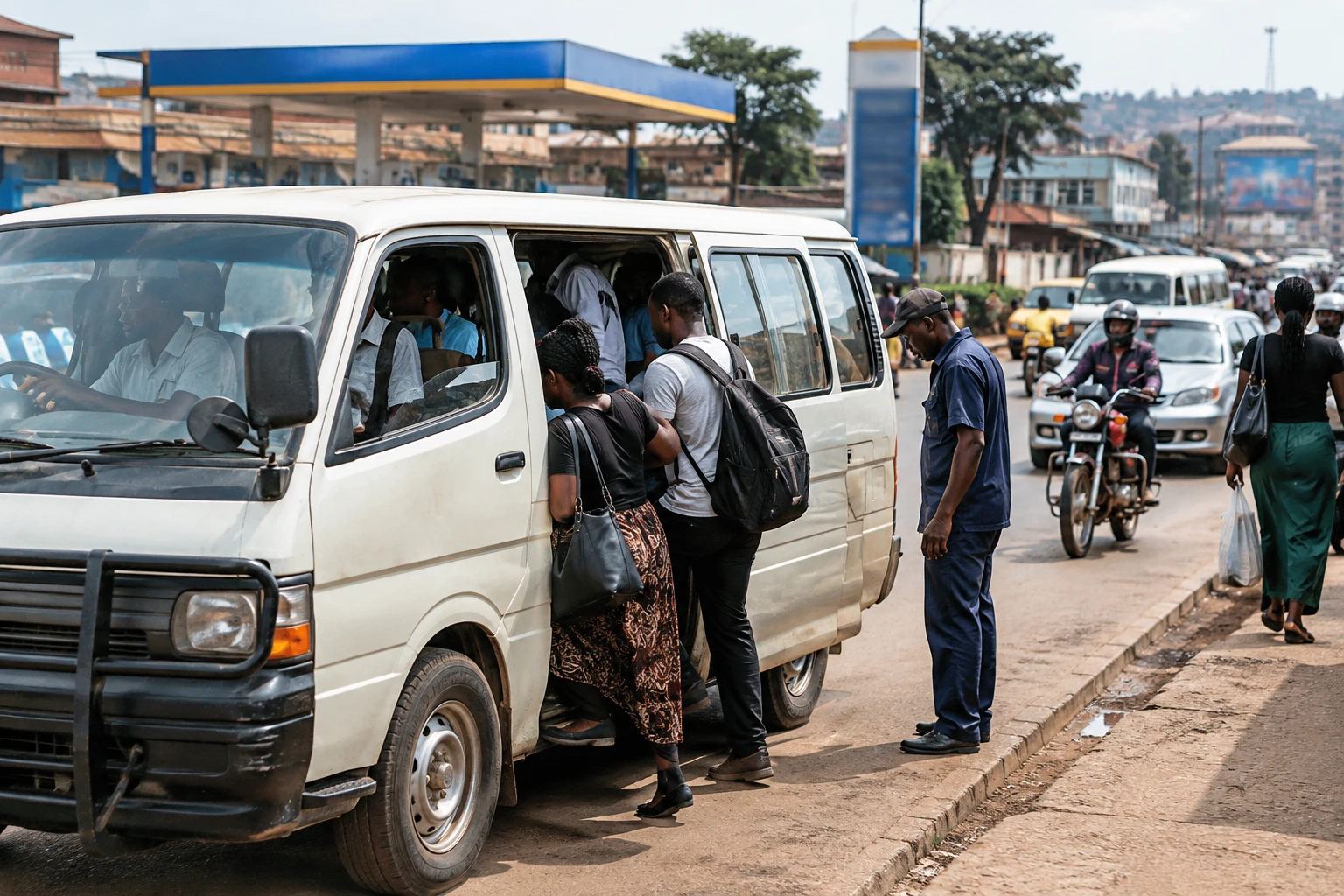
In Kampala and across the regions, rising fuel and borrowing costs can curb spending well before an economic slowdown shows up in the statistics. In Uganda, the central bank is trying to contain this pressure without stifling the investment that supports economic activity.
External headwinds weigh on activity
The Bank of Uganda has lowered its growth forecast for the 2026/2027 financial year to a range of 6% to 6.5%. It had previously forecast 7% to 7.5%. The estimate covers the financial year ending in June 2027.
The decision announced on 14 October 2026 comes amid high energy costs, tighter financial conditions and depreciation of the shilling. Geopolitical tensions and trade disruptions add to the uncertainty. The bank says these factors are slowing the outlook, but has not forecast an economic contraction.
The shift was already evident in quarterly projections. Growth is estimated at 6.4% for the quarter ended in September, compared with 6.8% for the quarter ended in June, according to figures cited by the central bank. The distinction matters: activity is still expanding, but at a slower pace.
Prices are also signalling mounting pressure. Annual inflation reached 4.6% in September, up from 4.1% in August, according to the Uganda Bureau of Statistics. Higher food and fuel prices contributed to the increase. The central bank now forecasts headline inflation of 7% to 7.5% over the next 12 months, above its medium-term target of 5%.
Borrowing costs at the heart of monetary policy choice
On the same day, the Monetary Policy Committee raised the policy rate from 9.75% to 12%, an increase of 2.25 percentage points. The policy rate serves as a benchmark for financing conditions in the banking system. The Bank of Uganda aims to limit the pass-through of higher fuel prices and the shilling’s depreciation to the prices of goods and services.
The move follows another tightening measure: the commercial banks’ reserve requirement ratio rose from 11% to 13.5% on 24 September. This share of deposits must be held at the central bank rather than lent out. Together, the two decisions are intended to reduce available liquidity and curb inflationary pressures.
But the remedy could come at a cost. If banks pass on the increase, households may pay more for loans and businesses more to finance investment. Producers and traders reliant on transport, fuel or credit could be particularly exposed. Conversely, protecting purchasing power means preventing higher import costs from feeding through persistently.
The exchange rate links these issues. When the shilling loses value against foreign currencies, imported goods become more expensive in local currency. This can affect fuel, agricultural inputs and goods used by businesses. International market movements therefore influence prices in Kampala as well as costs borne in rural areas.
A medium-term bet still exposed to risks
The Bank of Uganda has not abandoned a more dynamic growth trajectory. It forecasts average growth of close to 8% over the medium term, driven in particular by private investment, exports and the prospects of the oil sector. The government is also relying on its so-called tenfold growth strategy. This remains a conditional projection, however, rather than a guaranteed outcome.
The risks cited by the institution range from high energy and transport prices to persistent geopolitical tensions. Adverse weather could also weigh on harvests and push up food prices. These factors do not affect everyone in the same way: households that spend a large share of their income on food and transport have less room to absorb price increases.
The regional context also matters. Uganda is a member of the East African Community (EAC), a co-operation framework that aims, among other things, to facilitate trade between its member states. Transport costs and trade disruptions can therefore weigh on supply chains across borders. For Ugandan exporters, regional demand and price competitiveness will remain key factors to watch.
The central bank must now strike a balance between fighting inflation and maintaining financing for economic activity. The next data on prices, the shilling and credit will help gauge the effects of the tightening. Uganda’s challenge will be to preserve price stability without undermining the investment expected to support growth in the years ahead.
September’s inflation figures were published by the Uganda Bureau of Statistics. The rate increase and revised outlook were corroborated by Ugandan media outlet Uganda Radio Network and public broadcaster Uganda Broadcasting Corporation. The EAC’s regional framework is described by the East African Community.