Algeria
 Egypt
 Libya
 Morocco
 Sudan
 Benin
 Burkina Faso
 Cabo Verde
 Côte d'Ivoire
 Ghana
 Guinea
 Guinea-Bissau
 Liberia
 Mali
 Mauritania
 Niger
 Nigeria
 Senegal
 Sierra Leone
 The Gambia
 Togo
 Cameroon
 Central African Republic
 Chad
 DR Congo
 Equatorial Guinea
 Gabon
 Republic of the Congo
 São Tomé and Príncipe
 Burundi
 Comoros
 Djibouti
 Eritrea
 Ethiopia
 Kenya
 Madagascar
 Malawi
 Mauritius
 Mozambique
 Rwanda
 Seychelles
 Somalia
 South Sudan
 Tanzania
 Uganda
 Angola
 Botswana
 Eswatini
 Lesotho
 Namibia
 South Africa
 Zambia
 Zimbabwe
When the heat disrupts daily life
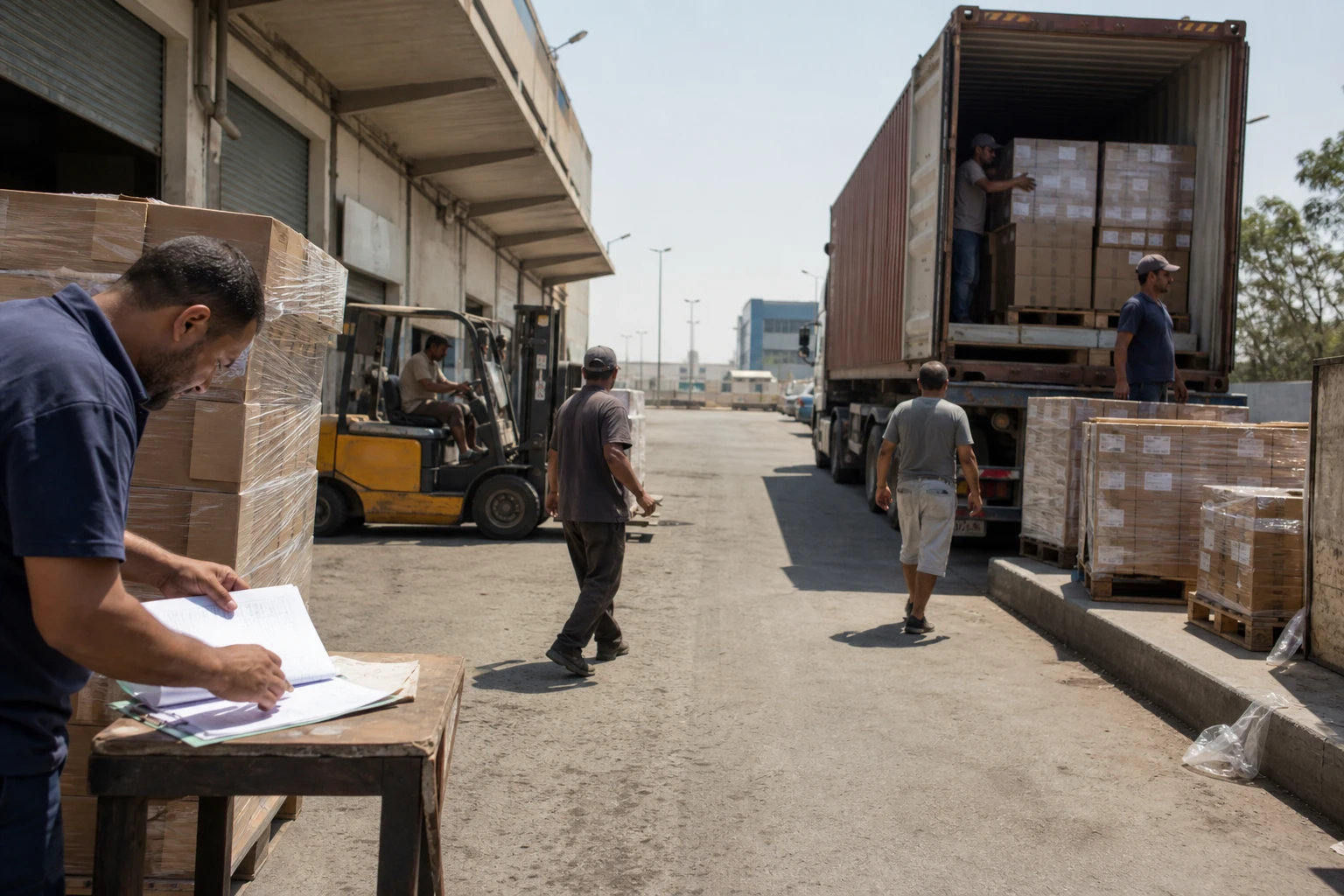
In Tunisia, the heatwave has done more than send thermometers soaring. It has also tested an essential public service: electricity, followed by water in some areas, just as extreme temperatures were hitting much of the country. In El Fahs, Kairouan, Cap Bon and Greater Tunis, traders, families and artisans have had to reorganise their day around outages and unpredictable schedules.
The issue goes beyond the discomfort of summer. In a country where pressure on the electricity grid reveals, at peak times, the fragile balance between consumption, production and maintenance, the stakes are high. In Tunisia, the state-owned electricity and gas company STEG remains the central player in the system. And the current heatwave has brought a very practical question back to the fore: how can the grid hold up when demand surges at the same time as temperatures?
Load shedding to protect the grid
The Tunisian Electricity and Gas Company announced that, from 16 July 2026, rolling, intermittent power cuts would be imposed in several governorates, initially for a few hours during the day, then over longer periods depending on the area. The company presented the outages as a measure to preserve the stability of the grid, publishing lists of neighbourhoods and localities that could be affected in Greater Tunis, the North, the North-West, the Centre and the South.
On 20 July 2026, STEG again warned of possible outages between 5pm and midnight in several regions. The authorities subsequently extended their alert to almost the entire country, as the National Institute of Meteorology placed Kairouan under a “heatwave” alert and most governorates moved to orange alert level.
The episode was accompanied by a remarkable peak in temperatures. On 17 July 2026, Kairouan recorded 49.7°C, according to meteorological data reported by the Tunisian press, while another bulletin on 22 July recorded 49.6°C in the same city. These figures convey the scale of an exceptional episode, confirmed by the national weather services.
Households and businesses under pressure
On the ground, the impact is immediate. Traders have to limit stocks of perishable goods. Butchers and cafés are adapting from day to day. Residents in some localities also report water outages, adding to the difficulties. In the short term, the cost is reflected in fridges that stop working, spoiled goods and nights broken by the heat.
The textile and clothing sector has also reported a slowdown in activity because of the heatwave and power cuts. This is an important signal, as the sector is one of the country’s industrial mainstays and depends on consistent production, delivery schedules and, for some materials, the cold chain.
Public health has also become part of the debate. Tunisia’s health ministry has urged caution in the face of high temperatures, while medical professionals have criticised the lack of detailed official data on the health effects of the heatwave. An estimate put forward by young doctors suggested between 150 and 200 deaths, but it has not been confirmed by any public official toll. It should therefore be read as a professional warning, not an established figure.
A political and social flashpoint
The authorities were quick to respond in their public statements. On 22 July 2026, President Kaïs Saïed chaired a meeting in Carthage on prolonged water and electricity cuts, as well as recent fires. He called for immediate measures and described the situation as “abnormal phenomena”, according to official statements reported by the public and national press.
But the issue goes beyond the immediate alert. It points to the Tunisian state’s ability to absorb increasingly frequent climate shocks. The country lies in North Africa, a region where summers are becoming harsher and the management of water, energy and public health is increasingly interconnected. At regional level, this crisis also concerns the Arab Maghreb Union, even though the organisation is politically largely inactive: it is a reminder that Maghreb countries face similar climate stresses, but have unequal budgetary and technical resources.
In practice, urban households are hit hardest by the suddenness of outages, while rural areas suffer more from their remoteness and less resilient infrastructure. Small businesses lose revenue immediately. Public services, meanwhile, have to manage the heat, fires, social tensions and the need to protect the grid at the same time. The heatwave is therefore a stress test, but also a spotlight on investment priorities.
What this episode says about Tunisia and the Maghreb
This crisis is not simply a sign of a difficult summer ahead. It shows that the climate transition now demands practical choices on infrastructure, grid maintenance, health preparedness and public communication. In Tunisia, the coming days will be crucial in determining whether outages ease as temperatures are expected to fall after the peak of 22 July 2026, or whether the country must get used to more regular load shedding during extreme weather events.
For North Africa, the stakes are broader. The Tunisian case shows how a heatwave can disrupt energy, water, health and economic activity all at once. It is also a reminder that, beyond emergency announcements, resilience depends on more flexible networks, better-prepared services and more visible public planning. Increasingly, that is where the difference between simply managing a crisis and genuinely adapting will be made.