Algeria
 Egypt
 Libya
 Sudan
 Tunisia
 Benin
 Burkina Faso
 Cabo Verde
 Côte d'Ivoire
 Ghana
 Guinea
 Guinea-Bissau
 Liberia
 Mali
 Mauritania
 Niger
 Nigeria
 Senegal
 Sierra Leone
 The Gambia
 Togo
 Cameroon
 Central African Republic
 Chad
 DR Congo
 Equatorial Guinea
 Gabon
 Republic of the Congo
 São Tomé and Príncipe
 Burundi
 Comoros
 Djibouti
 Eritrea
 Ethiopia
 Kenya
 Madagascar
 Malawi
 Mauritius
 Mozambique
 Rwanda
 Seychelles
 Somalia
 South Sudan
 Tanzania
 Uganda
 Angola
 Botswana
 Eswatini
 Lesotho
 Namibia
 South Africa
 Zambia
 Zimbabwe
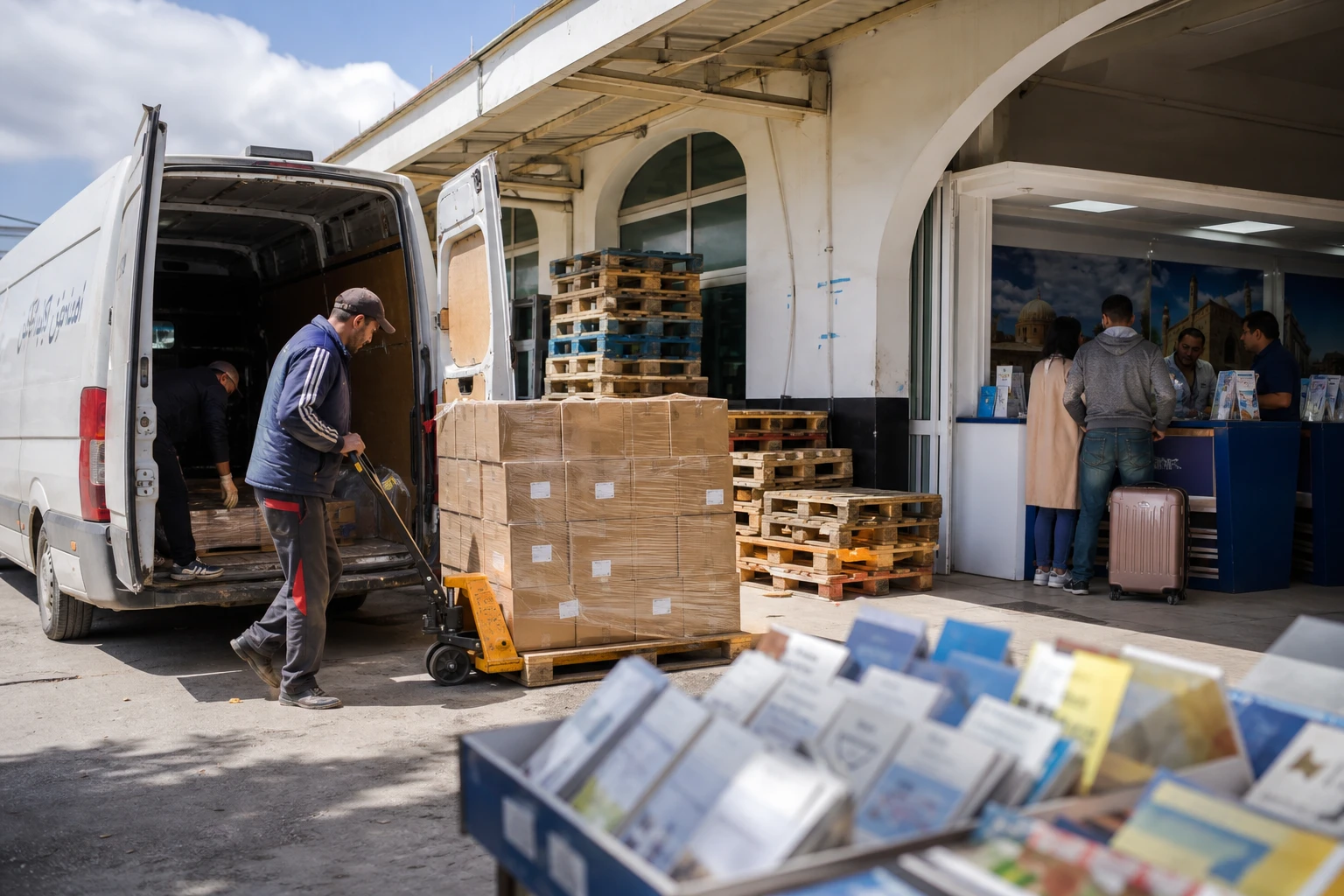
A coastline that remains a familiar choice for French travellers
For some French travellers, the Mediterranean is not simply a sunny destination. It is also a straightforward calculation: short distance, manageable budget, clear hotel options. In this respect, Tunisia continues to carry considerable weight. The country once again ranks among the most prominent choices for July departures, ahead of its Moroccan neighbour in the observed ranking. Bookings to Tunisia are nevertheless down 3.2% year on year, while those to Morocco are up 6.4% over the same period.
This signal matters beyond a simple contest between destinations. In North Africa, tourism is an economic indicator, but also a barometer of confidence. It shows a country’s ability to attract visitor flows, fill its hotels, sustain its seaside resorts and turn its ancient heritage into present-day revenue. Tunisia, with Tunis as its political and economic centre, is operating in a highly competitive regional environment, where Morocco, Egypt and several Mediterranean shores are vying for the same visitors.
Tunisia, between its heritage appeal and dependence on nearby markets
The ranking cited puts Tunisia in fourth place among destinations booked by French travellers for July 2026 departures, ahead of Morocco in sixth. This snapshot confirms a familiar reality for industry professionals: Tunisia remains a reliable short-haul destination, especially when travellers are looking for short flights, straightforward packages and affordable prices. In practice, the resorts of Hammamet, Djerba, Monastir and Mahdia continue to drive demand, combining beaches, a dense hotel sector and established infrastructure.
Tunisia’s Ministry of Tourism also notes that the sector remains a national pillar, with a stated target of 11 million visitors by 2025 and revenues that have risen in recent years. It also highlights the importance of tourism from neighbouring countries, which accounts for a significant share of arrivals at the borders. In other words, Tunisia does not rely solely on large-scale beach tourism; it also depends on regional flows and short stays, which are more sensitive to prices, weather, air links and household confidence.
This dependence explains the caution reflected in the bookings. A 3.2% decline is not insignificant, even if it does not undermine the country’s overall appeal. It may point to a rebalancing among Mediterranean destinations, fiercer price competition, or simply last-minute choices by French families. In a market where bookings are often made late, differences of a few percentage points can quickly change the pecking order.
Morocco gathers pace as Tunisia builds on different strengths
Morocco is sending a different signal. Although it remains behind Tunisia in this July ranking, it is up 6.4% year on year, indicating stronger commercial momentum. Marrakech remains a central hub, while seaside cities such as Agadir also play their part. The country benefits from an image as a versatile destination: imperial cities, the Atlantic coast, cultural tours, a move upmarket in its offering and strong international visibility. In tourism across the Maghreb, competition is therefore not just about volume, but about the ability to broaden the visitor base and increase value.
For Tunisia, the challenge is different. The country cannot always match raw growth, but it retains specific advantages. The medina of Tunis, a UNESCO World Heritage Site since 1979, remains one of its major cultural landmarks. The archaeology of Carthage, the profile of Sidi Bou Said, and the medinas of Sousse and Kairouan make up a tourism story richer than the beach alone. These sites add depth to a stay and extend the season beyond the strictly seaside period.
The municipality of Tunis describes the medina as a historic treasure at the heart of the Tunisian capital. This urban anchor matters. It is a reminder that the destination is not limited to its coastline. It also draws on a lively capital, heritage trails, crafts and a service economy that reaches from the old quarters to the tourist areas. For shopkeepers, guides, hoteliers and small family-run businesses, this diversity offers partial protection against market fluctuations.
What the ranking says about the regional balance of power
In North Africa, tourism remains a strategic sector because it brings in foreign currency, supports urban employment and sustains a wide chain of income. Hotels, restaurants, transport, crafts, agencies, guides and small businesses: the effect is diffuse, but tangible. When bookings fall, the impact is not limited to large hotel groups. It also affects seasonal workers, local service providers and households that rely on informal tourism. Conversely, a busy season supports coastal cities, medinas and service networks.
Tunisia therefore faces a twofold challenge. On the one hand, it must defend its position against Morocco and other Mediterranean destinations. On the other, it must do more to turn its heritage assets into more stable revenue, less dependent on summer departures alone. That means improving service quality, diversifying markets, strengthening air links and moving cultural products upmarket. Tunisia’s Ministry of Tourism has also stressed market diversification, including attracting new visitors, confirming a strategy to reduce risk.
At the regional level, this kind of ranking is a reminder of one simple point: tourism in the Maghreb is not just a contest between brochures. It is an arena for competition, but also one with potential for complementarity, provided connections, quality standards and visitor mobility improve. For Tunisia, the next test will not be confined to one summer month. It will be its ability to turn lasting name recognition into more regular visitor numbers, and recognised heritage into revenue that is distributed more evenly throughout the year.