Algeria
 Egypt
 Morocco
 Sudan
 Tunisia
 Benin
 Burkina Faso
 Cabo Verde
 Côte d'Ivoire
 Ghana
 Guinea
 Guinea-Bissau
 Liberia
 Mali
 Mauritania
 Niger
 Nigeria
 Senegal
 Sierra Leone
 The Gambia
 Togo
 Cameroon
 Central African Republic
 Chad
 DR Congo
 Equatorial Guinea
 Gabon
 Republic of the Congo
 São Tomé and Príncipe
 Burundi
 Comoros
 Djibouti
 Eritrea
 Ethiopia
 Kenya
 Madagascar
 Malawi
 Mauritius
 Mozambique
 Rwanda
 Seychelles
 Somalia
 South Sudan
 Tanzania
 Uganda
 Angola
 Botswana
 Eswatini
 Lesotho
 Namibia
 South Africa
 Zambia
 Zimbabwe
In an oil-producing country, electricity remains a scarce commodity
In Tripoli, electricity does not just disappear from sockets. It disrupts mealtimes, working hours and the lives of small businesses. During a Libyan summer when the heat makes everything harder, residents improvise with phone lights, generators and seemingly endless queues. The paradox is stark: Libya has Africa’s largest oil reserves, yet still struggles to provide its people with a stable energy supply.
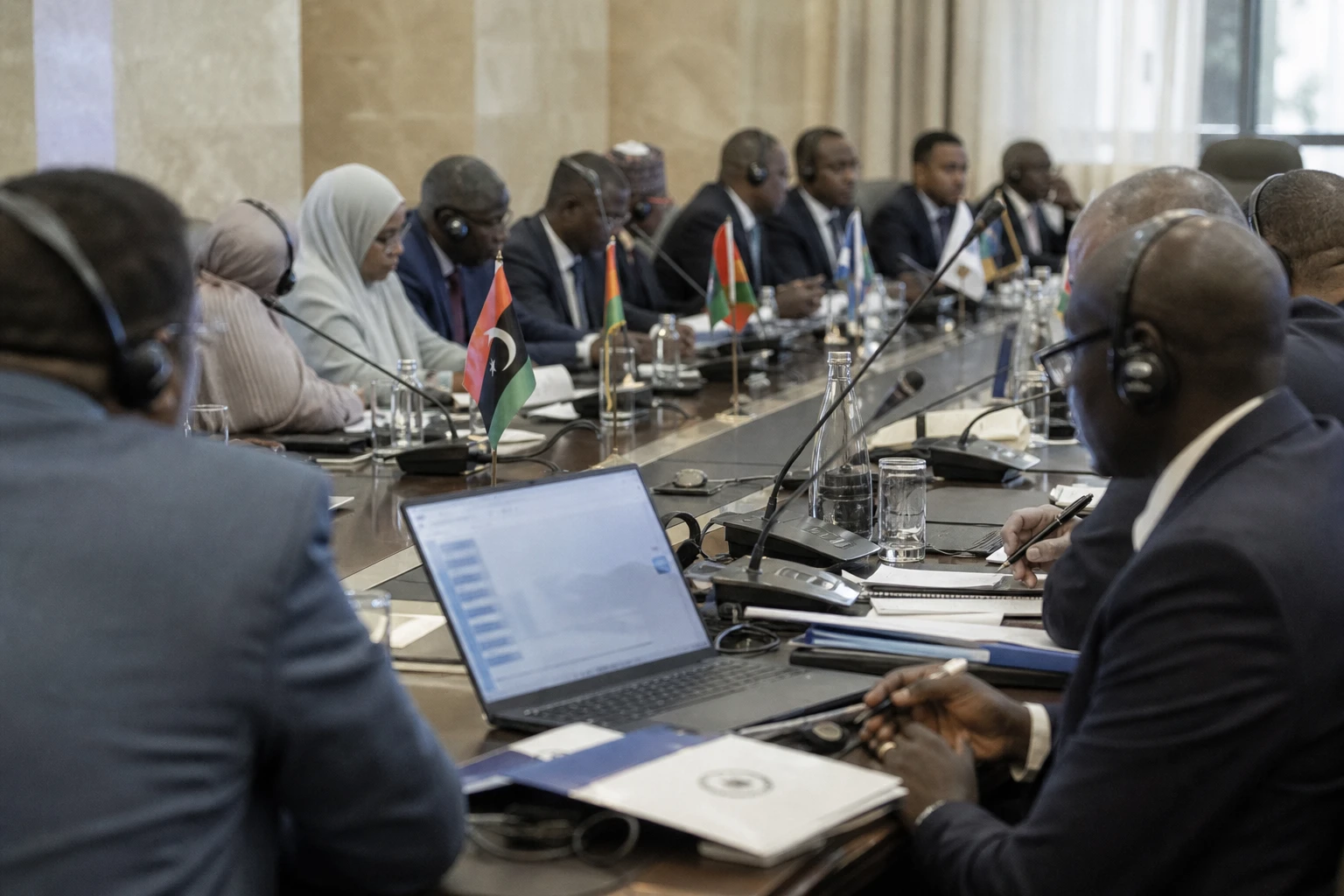
This imbalance is not down to a single outage. It reflects a fragmented state, competing institutions and networks of rent-seeking that weigh on the entire chain, from fuel imports to the supply of power stations. The United Nations Support Mission in Libya has placed the crisis in a broader context: weak governance, a lack of coordination and the diversion of subsidised resources. At the same time, the country remains caught in an unfinished political transition, under the scrutiny of the Security Council and an African Union calling for the country’s stabilisation.
The heart of the problem: producing oil is not enough to generate electricity
The figures show the scale of the contrast. Libya has about 48 billion barrels of proven reserves and produces around 1.5 million barrels a day, with a stated target of 2 million. Yet the country meets only about a third of its fuel consumption and relies heavily on imports. Last year, those purchases reportedly reached $7.8 billion, according to data published by the National Oil Corporation. In another reference document, the Central Bank and analyses supported by the International Monetary Fund have also shown that the fuel bill weighs heavily on public finances.
The mechanism is familiar in Tripoli, Benghazi and Misrata. Some imported fuel is meant to supply power stations. But losses, delays, additional costs and diversion reduce the real impact of these purchases. The latest report by the UN Panel of Experts on Libya describes a system in which diesel cargoes intended for public use can be redirected, including by smuggling networks. The report also points to illicit maritime and land routes that weaken the distribution chain and deprive the state of some of its resources.
The crisis has very tangible consequences. In the capital’s commercial districts, refrigerators stop working, stock is lost, food spoils and small incomes dwindle. Shopkeepers have to buy generators, but these machines are expensive and consume fuel that is often hard to obtain. Motorists, meanwhile, spend hours waiting outside petrol stations in the west and centre of the country. Tensions in Tripoli have been so high that power cuts have already fuelled protests, blockades and acts of civil disobedience at the end of July.
What the crisis reveals about the Libyan state
The issue is therefore not merely technical. It goes to the heart of governance. When electricity depends on imported fuel, fuel depends on the public budget, and the public budget depends on divided institutions, an outage becomes political. This is what the United Nations has highlighted: prolonged power cuts, pressure on the grid and fuel shortages are not isolated incidents, but symptoms of a system in which responsibility is diffuse. The Panel of Experts adds that poorly monitored subsidies and procurement mechanisms create fertile ground for corruption and a rent-seeking economy.
For Libyans, the inequality is twofold. In major cities, residents feel the crisis through rising costs, deteriorating services and insecurity in everyday life. In remote regions, it often means greater isolation, less maintenance and greater reliance on generators. For the formal economy, it undermines businesses, cold-storage facilities and services. For the informal economy, it boosts parallel fuel networks, rent-seeking and opaque distribution networks. This is precisely the terrain that international institutions have identified as one of Libya’s structural weaknesses for more than a decade.
The crisis also has a regional dimension. Libya belongs to the Arab Maghreb Union, a regional organisation that is almost paralysed, but its energy and smuggling routes extend far beyond its borders. Illicit fuel flows feed networks reaching the Sahel, southern Libya and, further afield, neighbouring markets. In this region, energy is not just a matter of production: it is linked to security, borders and the movement of goods. Libya’s stability therefore matters across North Africa and the Sahel, including in African Union debates on strengthening institutions and combating war economies.
The continental significance is clear: a country rich in hydrocarbons can remain vulnerable if its institutions fail to turn resource wealth into public services. Libya is also a reminder that an exported barrel guarantees neither lighting in a neighbourhood, continuity in a cold chain nor daily mobility. The next milestones lie in the monitoring of the UN mission, decisions on fuel imports and the authorities’ ability to reduce the diversions identified in audits and expert reports. As long as these issues remain unresolved, the energy crisis will continue to encapsulate Libya’s impasse.