Algeria
 Egypt
 Libya
 Morocco
 Sudan
 Tunisia
 Benin
 Burkina Faso
 Cabo Verde
 Côte d'Ivoire
 Ghana
 Guinea
 Guinea-Bissau
 Liberia
 Mali
 Mauritania
 Niger
 Nigeria
 Sierra Leone
 The Gambia
 Togo
 Cameroon
 Central African Republic
 Chad
 DR Congo
 Equatorial Guinea
 Gabon
 Republic of the Congo
 São Tomé and Príncipe
 Burundi
 Comoros
 Djibouti
 Eritrea
 Ethiopia
 Kenya
 Madagascar
 Malawi
 Mauritius
 Mozambique
 Rwanda
 Seychelles
 Somalia
 South Sudan
 Tanzania
 Uganda
 Angola
 Botswana
 Eswatini
 Lesotho
 Namibia
 South Africa
 Zambia
 Zimbabwe
Simpler, more transparent public payments
In Senegal, paying for a public service without going to a counter is becoming a very real issue. For users, it is about more than technology: it affects time lost, queues and the state’s ability to make its services more accessible, from Dakar to the most remote areas. Mobile money, already embedded in everyday life, is now entering a more institutional phase.
This shift is part of a regional trend led by the WAEMU, where the BCEAO is promoting faster, more interoperable payment infrastructure. The central bank’s Interoperable Instant Payment System Platform, or PI-SPI, is designed to enable instant, secure payments involving multiple providers. At the same time, Senegal is strengthening its budget management tools and modernising its financial systems.
Wave at the heart of an ongoing strategy
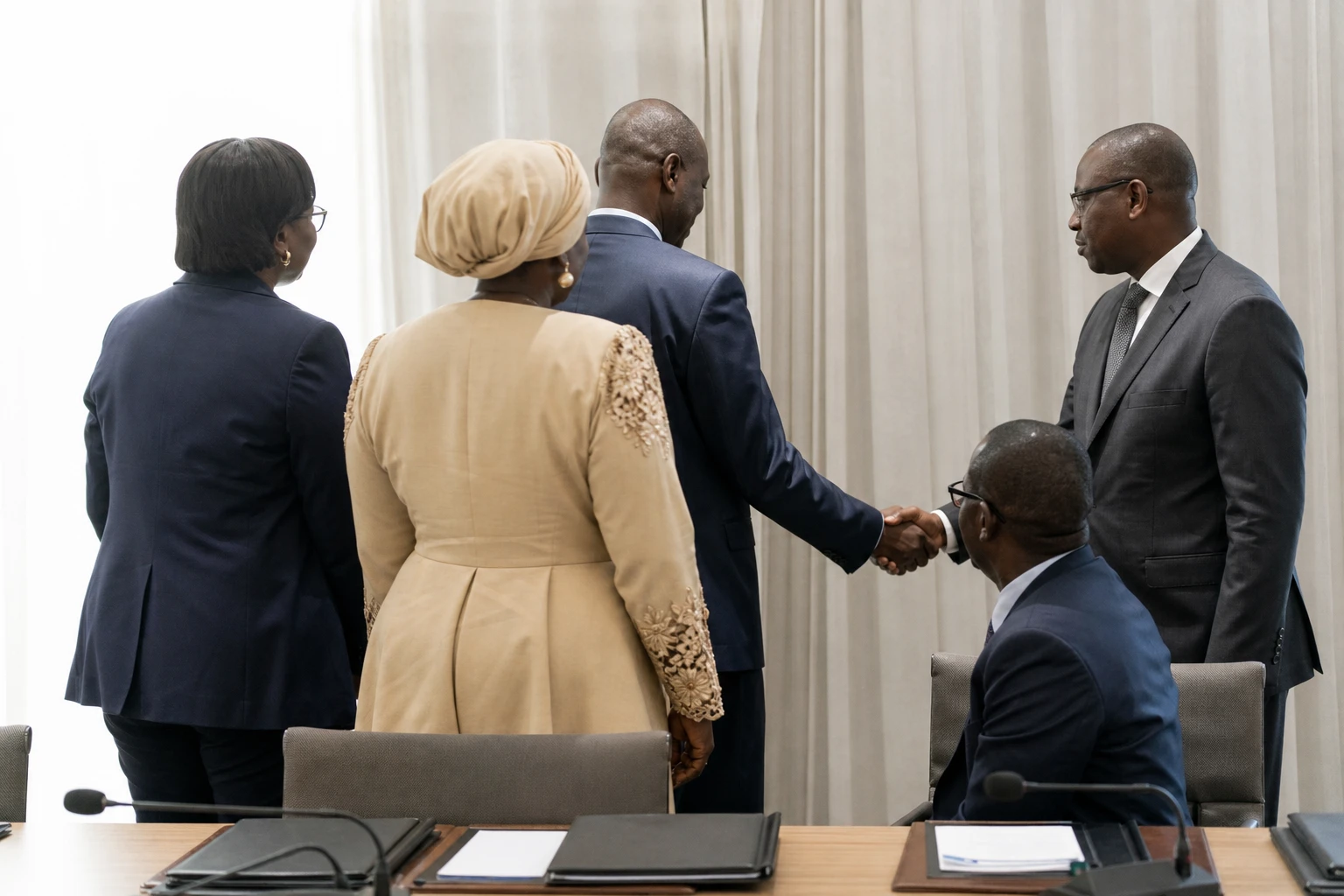
On 10 September 2026, the ministry responsible for digital affairs held talks with Wave Senegal on broader areas of cooperation, particularly to improve access to digital public services and advance work in several sectors: transport, health and the Treasury. The aim is not to launch a radical shift, but to accelerate a trend already visible in Senegalese government agencies.
The process is already under way. As early as 2024, the Public Treasury worked on digitising some administrative payments, including fixed fines, through mobile money providers such as Orange Money and Wave. The Directorate General of Public Accounting and the Treasury also said it had signed agreements with several electronic money providers as part of efforts to modernise public payments.
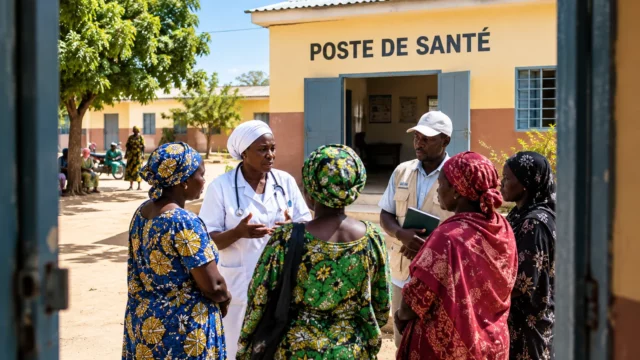
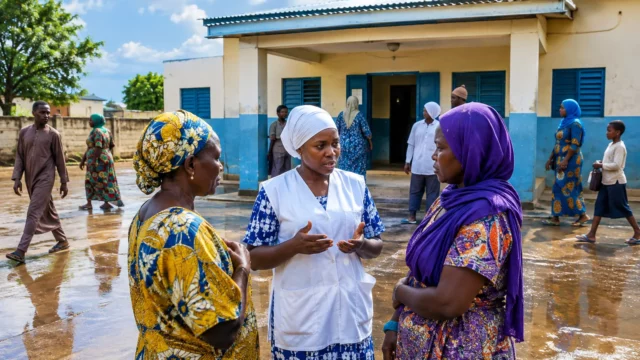
In the health sector, the relevant ministry announced a partnership with Wave Digital Finance on 30 April 2026 to progressively digitise payments for services at public health facilities. The Social Security Fund subsequently said in September 2026 that certain benefits could be paid directly into beneficiaries’ Wave accounts. These decisions show that mobile money is no longer used only for transfers between individuals. It is becoming a public payment channel.
This shift is also underpinned by a more mature regulatory framework. As at 28 February 2026, the BCEAO listed five electronic money institutions in Senegal, including Wave Digital Finance. The country remains one of the WAEMU’s most densely populated markets for electronic money providers and partnerships between financial and telecoms operators.
What this means for the state and Senegalese citizens
For the state, the benefits are twofold. First, digitisation reduces collection costs and limits the handling of cash. Second, it improves the traceability of transactions. This is particularly useful for the Treasury, health facilities and services that collect small, recurring payments. The World Bank describes this type of architecture as part of digital public infrastructure, alongside digital identity and secure data exchange.
For citizens, the expected benefits are more immediate. Paying by mobile makes it possible to avoid some journeys, pay remotely and receive reimbursements or benefits faster. In a country where digital services are spreading rapidly, this shift could ease the administrative burden on urban and rural households alike. It could also reduce reliance on cash, which remains widespread in the informal economy.
But the issue also raises a question of operational sovereignty. The more public payments are handled by private providers, the more the state must ensure robust rules on interoperability, data protection, continuity of service, fees charged to users and integration with Treasury systems. The BCEAO, for its part, notes that these providers operate within a regulated framework and that electronic money is an instrument accepted by third parties as a means of payment.
There is also a need to maintain competitive balance. Wave occupies a significant place in the regional ecosystem, with its market share rising to 23% in 2024 in the WAEMU, according to the BCEAO. This growth gives it considerable visibility, but it also requires the authorities to avoid excessive dependence on a single provider for essential public services.
A trend in Senegal and across West Africa
Senegal is part of a broader West African trajectory. Governments are increasingly seeking to digitise public payments, not only to collect money but also to distribute it faster and more efficiently. Health services, social transfers and Treasury payments are becoming testing grounds for this transformation.
Across the continent, the message is clear. Digital payment systems are no longer just a fintech tool. They are becoming government infrastructure, on a par with roads and electricity networks. Senegal is therefore testing a model that could inspire other ECOWAS member states, especially those seeking to expand financial inclusion without rebuilding their entire banking systems.
A key question remains: how far will the Senegalese state go in integrating Wave and, more broadly, electronic money providers into its public services? For now, no detailed timetable has been made public for transport, health or the Treasury. But the direction is set. In Dakar, the task is no longer just about payments. It is about how public money itself moves: faster, further and with greater oversight.