Algeria
 Egypt
 Libya
 Morocco
 Sudan
 Tunisia
 Benin
 Burkina Faso
 Cabo Verde
 Côte d'Ivoire
 Ghana
 Guinea
 Guinea-Bissau
 Liberia
 Mali
 Mauritania
 Niger
 Nigeria
 Sierra Leone
 The Gambia
 Togo
 Cameroon
 Central African Republic
 Chad
 DR Congo
 Equatorial Guinea
 Gabon
 Republic of the Congo
 São Tomé and Príncipe
 Burundi
 Comoros
 Djibouti
 Eritrea
 Ethiopia
 Kenya
 Madagascar
 Malawi
 Mauritius
 Mozambique
 Rwanda
 Seychelles
 Somalia
 South Sudan
 Tanzania
 Uganda
 Angola
 Botswana
 Eswatini
 Lesotho
 Namibia
 South Africa
 Zambia
 Zimbabwe
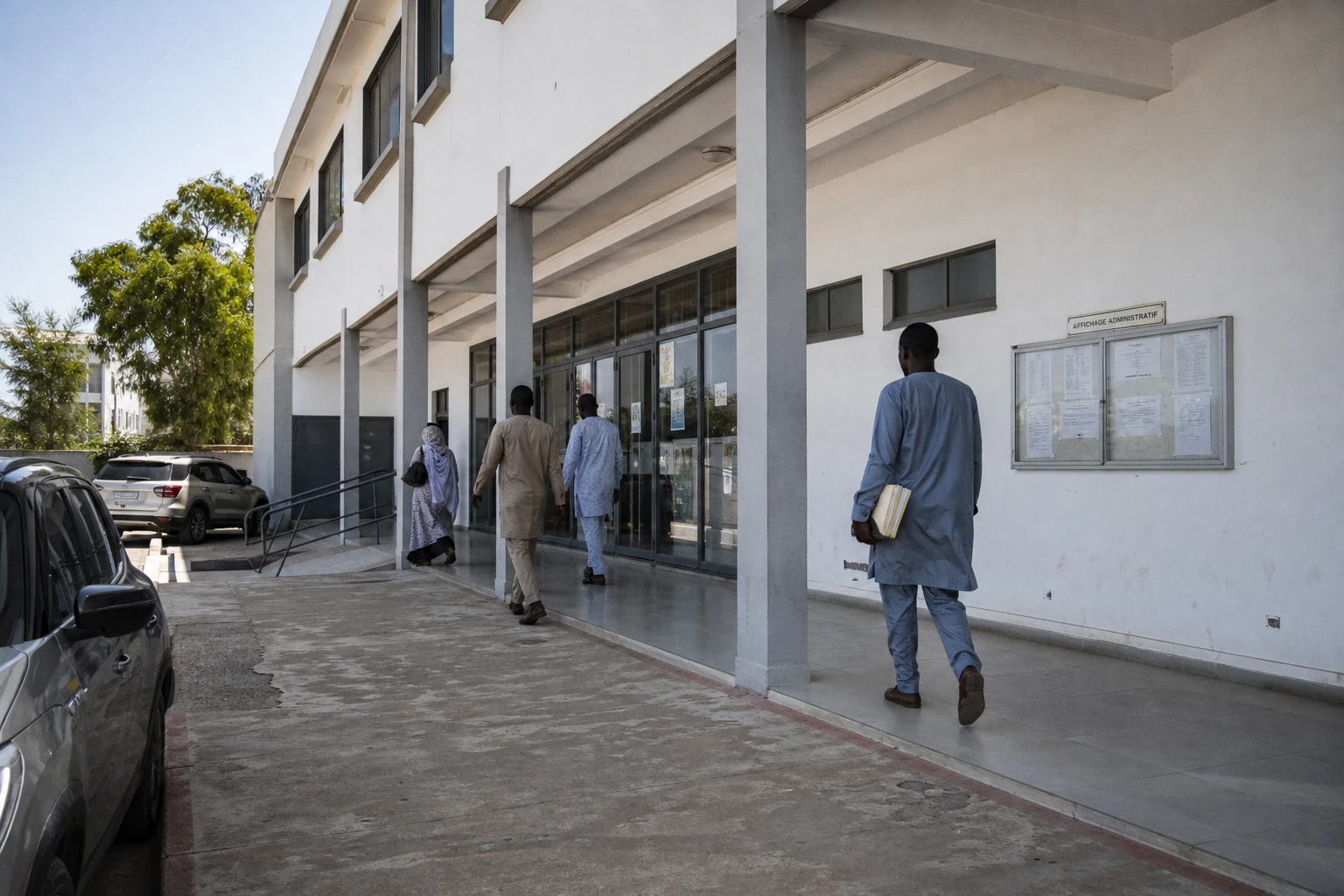
Local elections involve more than running municipalities
In Senegal, local elections do more than choose mayors or departmental councillors. They also determine who sets the pace of democracy in everyday life, in municipalities, departments and local public services. When the timetable becomes uncertain, the entire institutional machinery comes under strain, from Dakar to the regions.
It is in this context that Pastef has approached the Minister of the Interior and CENA, the Autonomous National Electoral Commission, to demand that the local electoral process begin on schedule. The majority party in the National Assembly argues that Senegalese voters must be told without delay the date of the vote, the amount of the deposit and the rules for submitting candidacies.
The legal framework puts pressure on the executive
The starting point is simple. Municipal and departmental councillors elected on 23 January 2022 were given a five-year term. Senegal’s Presidency recalled this at the time, specifying that municipal and departmental elections were held that day and that those elected were entering a five-year institutional cycle.
The Pastef statement, carried by RTS, says that the new councils must be elected by Sunday 17 January 2027 at the latest. The party cites articles of the Electoral Code governing the end of terms and the renewal of councils during the 30 days preceding their expiry. It also points out that the vote must be held on a Sunday.
Another sensitive issue is the electoral deposit. Under the Electoral Code, its amount must be set no later than 150 days before the vote, after consultation with political parties. Pastef says that deadline has already passed, as no order has yet been published. Here too, the party is describing a breach of the legal timetable, not a simple administrative delay.
Why the government is concerned about the date
The tension is not just about electoral technicalities. It comes amid rapid political realignment at the top of the state. Since Ousmane Sonko was dismissed as prime minister in May 2026, relations between President Bassirou Diomaye Faye and his former ally have deteriorated to the point of splitting the camp that came to power in 2024. International media and RTS have documented this now-open rupture.
In this landscape, local elections take on the character of a test. They will measure Pastef’s strength in local authorities, where the relationship between grassroots support, local power brokers and budgetary decisions remains decisive. For a majority that won the presidency but whose unity has fractured, the municipal and departmental contest has become a marker of real political control.
The Minister of the Interior has a key responsibility here. The minister prepares and implements the state’s electoral policy, while the Directorate General of Elections organises national and local polls. CENA, for its part, monitors compliance with the rules. This division of responsibilities matters: it shows that the debate is less about a partisan dispute than about the executive’s obligation to set the electoral machinery in motion on time.
What the debate says about Senegal today
In Dakar, as in regional capitals, local elections decide very tangible issues: road conditions, rubbish collection, schools, markets, water, street lighting and local taxes. Municipal and departmental councils manage areas that directly affect the informal economy, daily travel and access to services. The vote is therefore no peripheral event.
The implications are regional too. Senegal remains one of the most closely watched political centres in ECOWAS, the Economic Community of West African States, because it is often presented as a country of institutional stability in a region marked by military transitions and electoral crises. Whether the local election timetable is respected or contested therefore matters beyond Senegal’s borders.
Finally, the issue highlights a broader question: whether a new government can accept the constraints of the rules it invokes. In Senegal, the 2027 local election cycle, followed by later electoral milestones, will show whether institutional normality prevails over efforts to tighten control, postpone votes or negotiate indefinitely. For now, Pastef is confronting the executive with the letter of the law and the clock.